
Last updated November 4, 2026
 Sweep & inspection
 Caps & crowns
 Flue relining
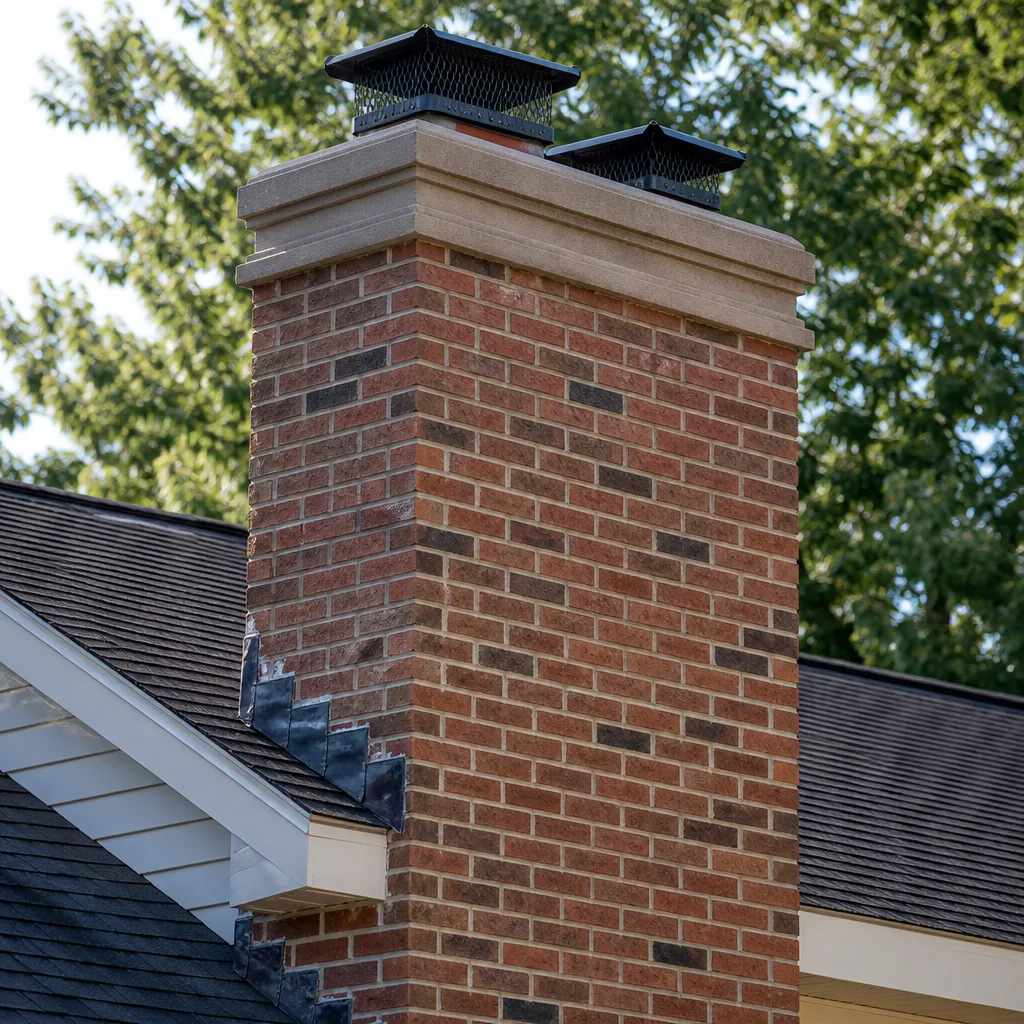 Masonry repair
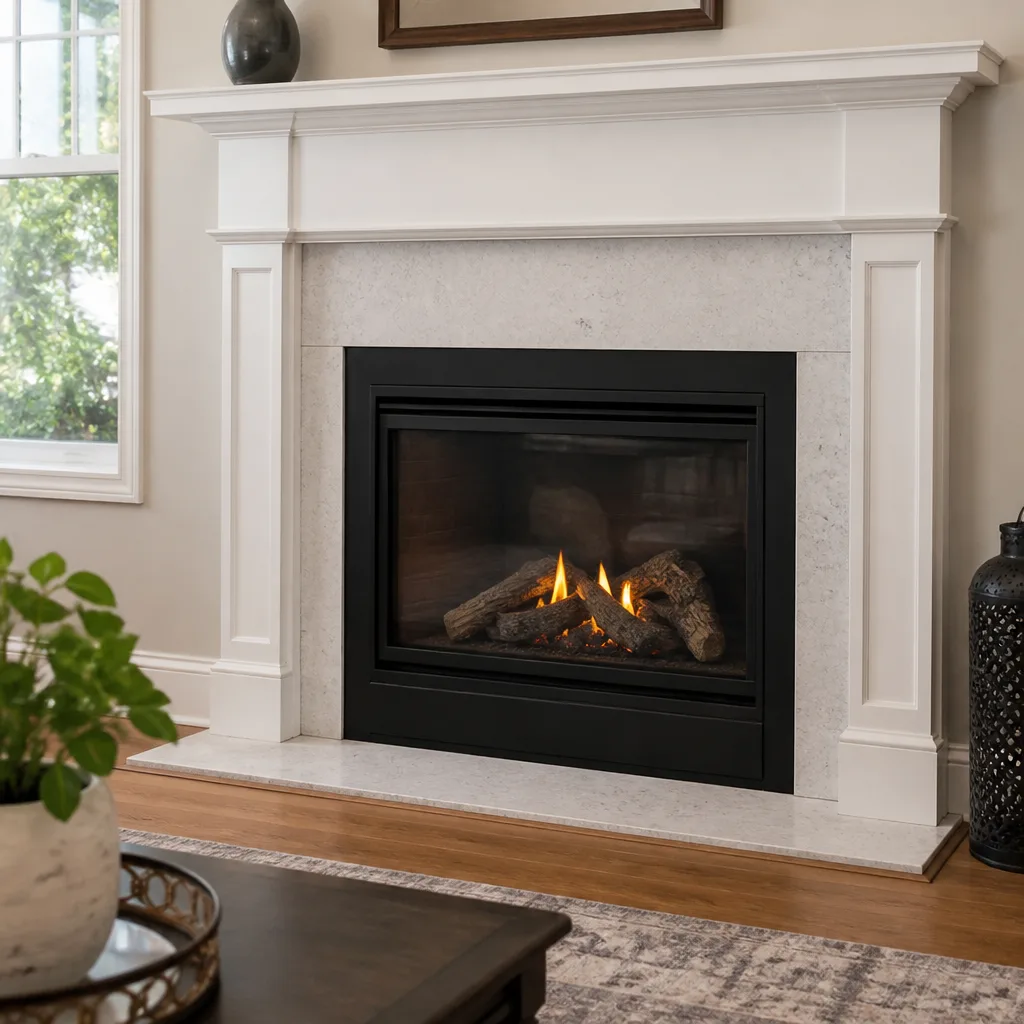 Gas fireplace service
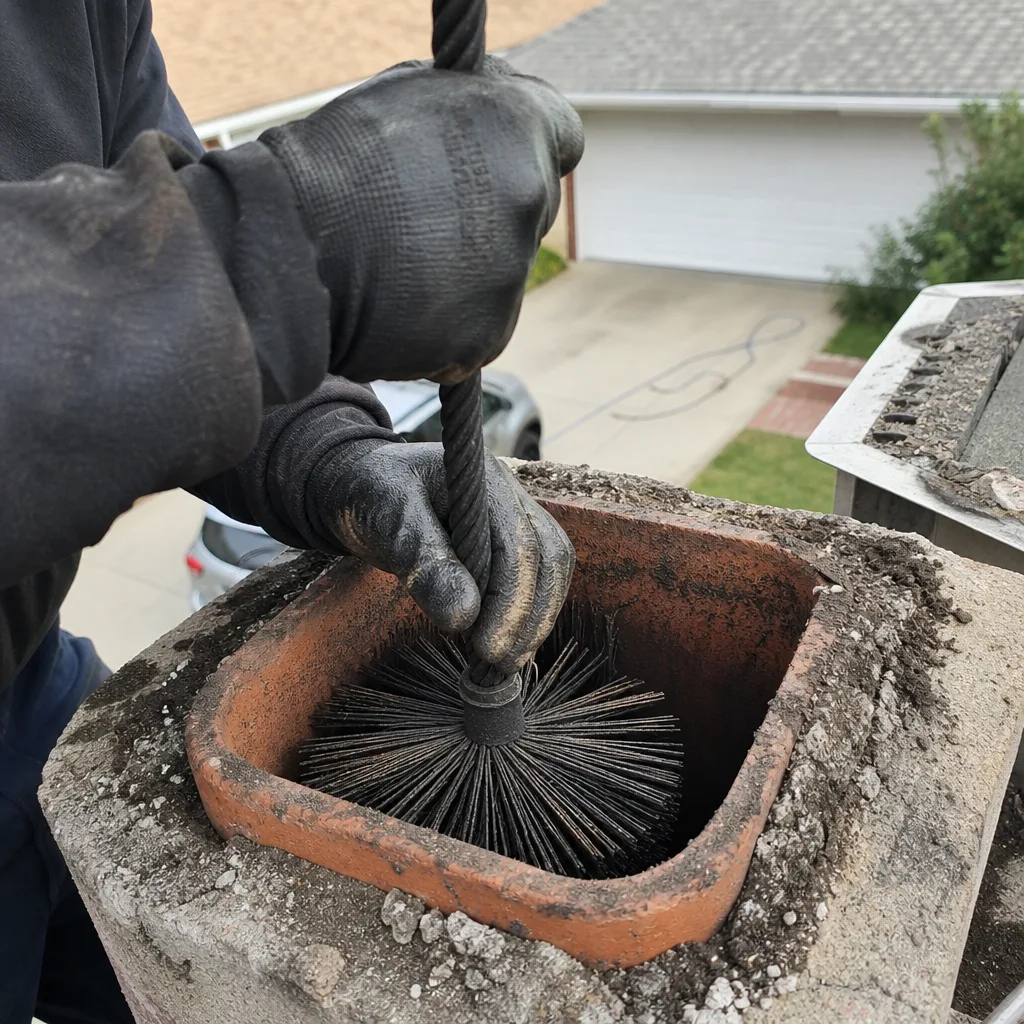
Level 1 sweep and inspection to the NFPA 211 annual standard - flue, crown, cap, and flashing checked and photographed
Chimney sweep logs do not sweep chimneys. They loosen some creosote - which then falls where a brush and vacuum still have to collect it.
Chimney Sweep Maintenance Schedule: What to Do and When
Most chimney maintenance advice you’ll find online starts with the same assumption: sweep it once a year, every year, no matter what. That advice is wrong for a lot of homeowners in Valencia. If you burn a gas log set three times per winter, an annual sweep is money you don’t need to spend. If you burn cordwood three nights a week from November through February, an annual sweep probably isn’t enough. This guide lays out a maintenance schedule based on how you actually use your fireplace, what you burn, and the specific conditions in Valencia. You’ll learn the difference between an inspection and a sweep, how seasonal timing affects cost and availability, and which warning signs mean you should pick up the phone before the calendar tells you to.
Quick Answer
For most Valencia homes, schedule a professional chimney inspection once a year and a sweep every 1 to 2 years. Wood-burning fireplaces used more than twice a week through winter need a sweep every 30 to 40 fires, which for many families means twice per season. Gas log sets need an annual inspection but rarely need sweeping more than once every 3 to 5 years.
Styles & brands we work with
- Sweep & inspection
- Caps & crowns
- Flue relining
- Masonry repair
- Gas fireplace service
Table of Contents
- Inspection vs. Sweep: They’re Not the Same Thing
- Your Usage Tier Determines Your Schedule
- What Valencia’s Climate Means for Your Chimney
- Seasonal Timing: Why Late Summer Beats Fall
- What to Check Yourself Between Professional Visits
- Gas Logs vs. Wood Burning: Different Maintenance Logic
- Dryer Vents Belong on the Same Schedule
- Signs Your Chimney Is Already Overdue
Inspection vs. Sweep: They’re Not the Same Thing
The National Fire Protection Association standard, NFPA 211, requires an annual inspection of every chimney, fireplace, and vent. It does not require an annual sweep. The distinction matters because inspection and sweeping are different services with different purposes. An inspection is a condition assessment: the technician checks the flue liner, crown, cap, damper, firebox, and exterior masonry for cracks, blockages, water damage, or creosote accumulation. A sweep is the physical removal of soot and creosote from the flue interior. A chimney can pass an inspection and still not need cleaning. It can also fail an inspection without visible soot at all, because the problem is structural rather than combustible. When you call a chimney sweep for a routine visit, you should know which service you’re actually requesting. In our experience, most Valencia homes need an inspection every year and a sweep every second year, but that changes quickly with burn frequency.
What an inspection includes
- Flue liner condition check for cracks, spalling, or gaps in mortar joints
- Creosote measurement using a depth gauge or visual assessment at multiple points
- Damper operation and seal quality
- Crown and cap inspection for water intrusion paths
- Firebox and smoke chamber examination
- Exterior brick and mortar assessment for weathering
What a sweep involves
- Mechanical brushing of the full flue from the firebox to the termination point
- Removal of creosote deposits including glazed or tar-like accumulations
- Vacuum containment to keep soot out of the living space
- Post-sweep visual confirmation of the flue interior
Your Usage Tier Determines Your Schedule
Treating every chimney the same ignores what’s actually happening inside the flue. The rate at which creosote builds up depends on burn frequency, fuel quality, and appliance type. A gas insert produces water vapor and minimal combustion byproducts. A wood stove burning seasoned oak for six hours a day produces dense creosote that can reach a quarter-inch of accumulation in thirty fires. Here’s how we break down maintenance intervals for homeowners throughout Valencia.
Tier 1: Gas log set or occasional wood burning
If you burn wood fewer than fifteen times per season or run a gas log set, schedule an inspection once a year and a sweep every 3 to 5 years. The inspection matters more than the sweep because gas appliances can develop venting issues that have nothing to do with creosote. Water intrusion, bird nests, and spider webs in the vent are common in Valencia because the mild climate keeps insects and wildlife active year-round.
Tier 2: Regular wood burning, 2-3 nights per week
This is the most common profile we see in Valencia. You use the fireplace as a comfort heat source through the cooler months, roughly November through March. At this frequency, schedule a sweep every year and pair it with the annual inspection. Creosote accumulation at this burn rate typically reaches the level where cleaning is warranted within a single season. An annual sweep keeps you ahead of it rather than responding to it.
Tier 3: Primary heat source or more than 40 fires per season
If your fireplace or wood stove is your main heat source, or you burn more than forty fires in a season, schedule a sweep every 30 to 40 fires. For a family that burns every evening through winter, that means a mid-season sweep in January plus an end-of-season sweep in March or April. The second sweep does not replace the annual inspection but catches accumulation before it becomes a fire hazard during the peak burn period. Few guides mention this, but hard use changes the math entirely. Waiting twelve months between sweepings at this burn rate leaves a dangerous amount of creosote on the flue walls by February.
What Valencia’s Climate Means for Your Chimney
Valencia winters are mild compared to most of the country, and that has a direct effect on chimney maintenance. The local burn season is shorter and less intense, which means most homeowners accumulate creosote slower than someone in a colder climate. But the mild weather creates different problems. Rain during what locals know as June Gloom can saturate crowns and brickwork that never fully dried from winter. Moisture is the enemy of chimney masonry, and in Valencia it tends to work slowly rather than through dramatic freeze-thaw cycles. Water intrusion shows up as efflorescence, spalling brick faces, and rusting dampers. Wildlife intrusion is a year-round concern here. Birds, squirrels, and raccoons look for nesting sites in chimneys regardless of season, and a missing or damaged cap is an open invitation. The practical takeaway: don’t assume a short burn season means you can stretch maintenance intervals. Instead, shift your attention toward moisture defense and cap condition, which are the bigger issues in this climate.
Seasonal Timing: Why Late Summer Beats Fall
Most Valencia homeowners call for a chimney sweep in October, right before they want to light the first fire. That creates a predictable bottleneck. Sweeps get booked solid for weeks, and pricing during peak demand reflects that. Scheduling in August or September gets you the same inspection before the rush, with several advantages specific to our climate. June Gloom moisture has had time to show itself in the form of masonry staining or damper rust. Wildlife nesting activity from spring and early summer has typically concluded, so any blockages or debris are identifiable and removable before they become a fall surprise. You also avoid the situation where a repair is discovered in October and your fireplace is out of commission for the first month of burn season. When a sweep uncovers a cracked liner or a deteriorated crown, the fix takes time. Finding that in August means it’s resolved by the time you actually want a fire. Finding it in November means you’re making a choice between delaying the repair or losing the fireplace for weeks. Late summer scheduling aligns the service with how Valencia’s climate actually behaves, and it gives you breathing room to address anything the inspection turns up.
What to Check Yourself Between Professional Visits
You don’t need professional training to spot early warning signs. A few minutes of attention once a month through burn season and once after heavy rain catches most problems before they become expensive repairs. Here’s a simple process we recommend to homeowners in Valencia.
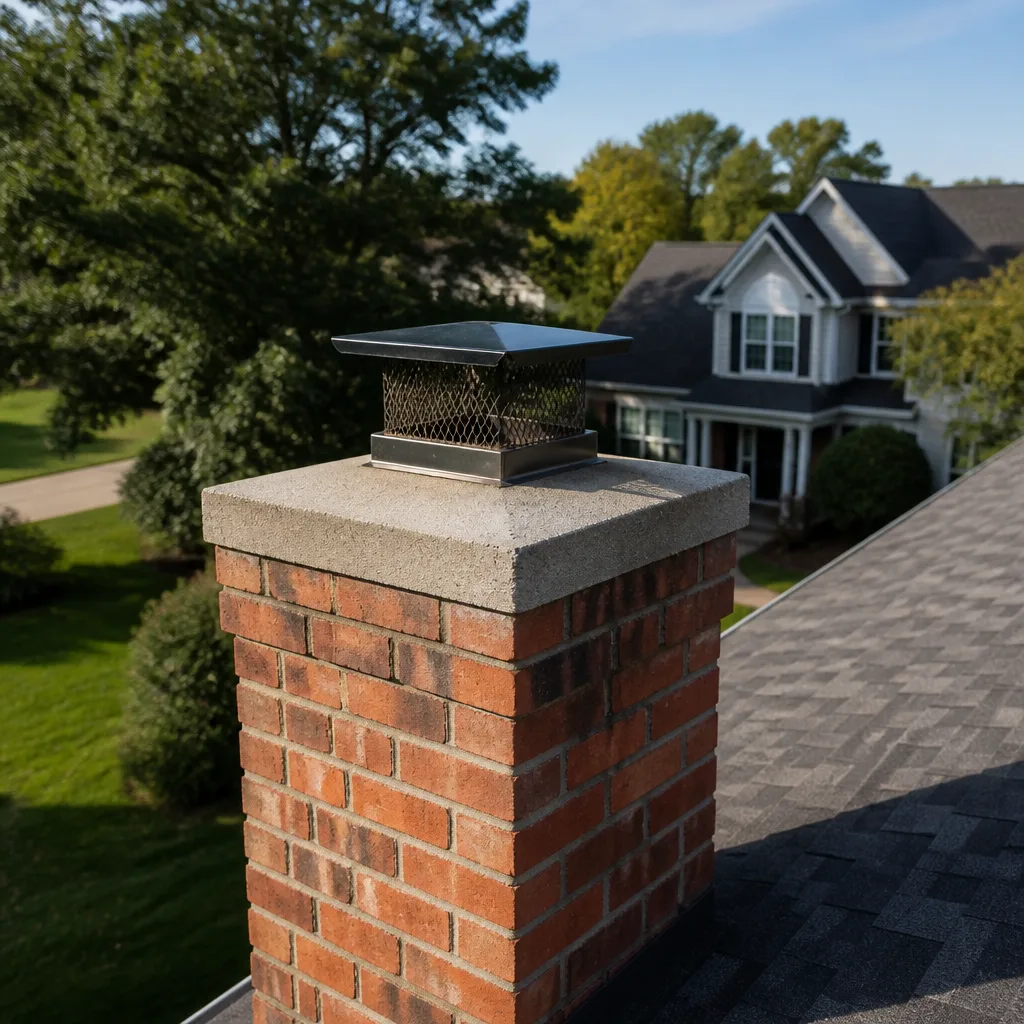
- Look at the cap from the ground. Is it still seated squarely? Any visible rust, loose mesh, or missing sections means water and animals can get in.
- Open the damper and check its movement. It should open fully and close with some resistance, not fall open or stick shut. A damper that’s hard to operate often signals warping from moisture or heat.
- Run your hand along the firebox walls. Large flakes of creosote or a shiny, tar-like surface means you’re past due for a sweep regardless of what the calendar says.
- After rain, sniff the fireplace opening. A strong campfire or musty odor means water is getting in somewhere and saturating creosote or masonry.
- Check the exterior brick and mortar. New cracks, white staining, or soft mortar joints indicate water intrusion that will worsen if ignored.
Each of these checks takes less than five minutes. None of them replaces a professional inspection, but they keep you aware of condition changes between visits.
Gas Logs vs. Wood Burning: Different Maintenance Logic
Gas log sets change the maintenance picture considerably, but not in the way some homeowners assume. The belief that gas appliances need no maintenance at all is wrong. The belief that they need annual sweeping is also wrong. A gas log set produces no creosote, which eliminates the primary reason for sweeping. But it produces water vapor as a combustion byproduct. In a properly vented system, that vapor exits through the flue. In a poorly maintained system, that vapor condenses inside the chimney and accelerates deterioration of the liner and mortar. Gas appliances can also suffer from soot buildup if the air-to-fuel ratio is off, which happens more often than most homeowners realize. A yellow, lazy flame instead of a crisp blue one often signals incomplete combustion and soot production. The annual inspection is the critical service for gas log sets in Valencia. It verifies the venting path is clear, the liner is sound, and the gas connection is intact. Sweeping should happen when the inspection reveals soot accumulation, not on a fixed calendar. In our experience, three to five years is a reasonable interval for most gas log systems, but the inspection dictates what’s actually needed.
Dryer Vents Belong on the Same Schedule
Dryer vent maintenance is the most overlooked fire-prevention task in the average home, and it belongs on the same mental checklist as your chimney. Lint accumulation inside a dryer vent restricts airflow, which forces the dryer to work harder and the exhaust temperature to rise. That combination is what leads to dryer fires. The U.S. Fire Administration has reported that clothes dryers account for thousands of residential fires every year, and the leading cause is failure to clean the vent. In Valencia, many homes route dryer vents through attics or crawl spaces where lint builds up at bends and transition points. A professional dryer vent cleaning should happen once a year for most households. If you run laundry daily or have a long vent run, twice a year is safer. The same scheduling logic applies here: book it in late summer before fall routines pick up, and don’t ignore the signs of a restricted vent, which include longer drying times, a burning smell during operation, or a laundry room that’s noticeably warmer than the rest of the house. Your fireplace and your dryer both deserve a safety check, and the same trained eye can handle both.
Signs Your Chimney Is Already Overdue
Between scheduled visits, certain indicators mean maintenance is overdue now rather than at the next calendar appointment. These signs have implications for safety and for repair cost, and none of them should be ignored.
- Thick, shiny creosote on the firebox walls. This is the glazed, tar-like form of creosote that burns hot and is the most dangerous form to leave in place.
- Smoke backing up into the room when the fireplace is lit. This indicates a draft problem that could be caused by a blockage, a closed damper, or a flue that’s too restricted.
- A persistent damp smell after rain. Water is getting into the chimney and saturating creosote or masonry. Left alone, this causes structural decay that costs far more to fix than to prevent.
- Visible cracks in the exterior brickwork that run through the mortar joints rather than along them. This is a structural issue, not cosmetic weathering.
- Rust stains on the fireplace face or evidence of water pooling in the firebox. Water has found a path in and is now interacting with metal components.
- Debris falling into the fireplace when you open the damper. That means something has entered from the top, whether it’s nesting material, masonry fragments, or animal droppings.
These are not conditions to monitor. They’re conditions to address. Call for a professional assessment when any of them appear.
Common Mistakes to Avoid
- Assuming an annual sweep is mandatory for every chimney. NFPA 211 requires an annual inspection, not an annual cleaning. Sweep frequency depends on usage, and paying for unnecessary sweeps doesn’t improve safety.
- Using creosote-sweeping logs as a substitute for a professional sweep. These products can help dry out creosote, but they do not remove it. The physical brushing and vacuuming that a professional sweep performs is not replicable with a log you toss in the fire.
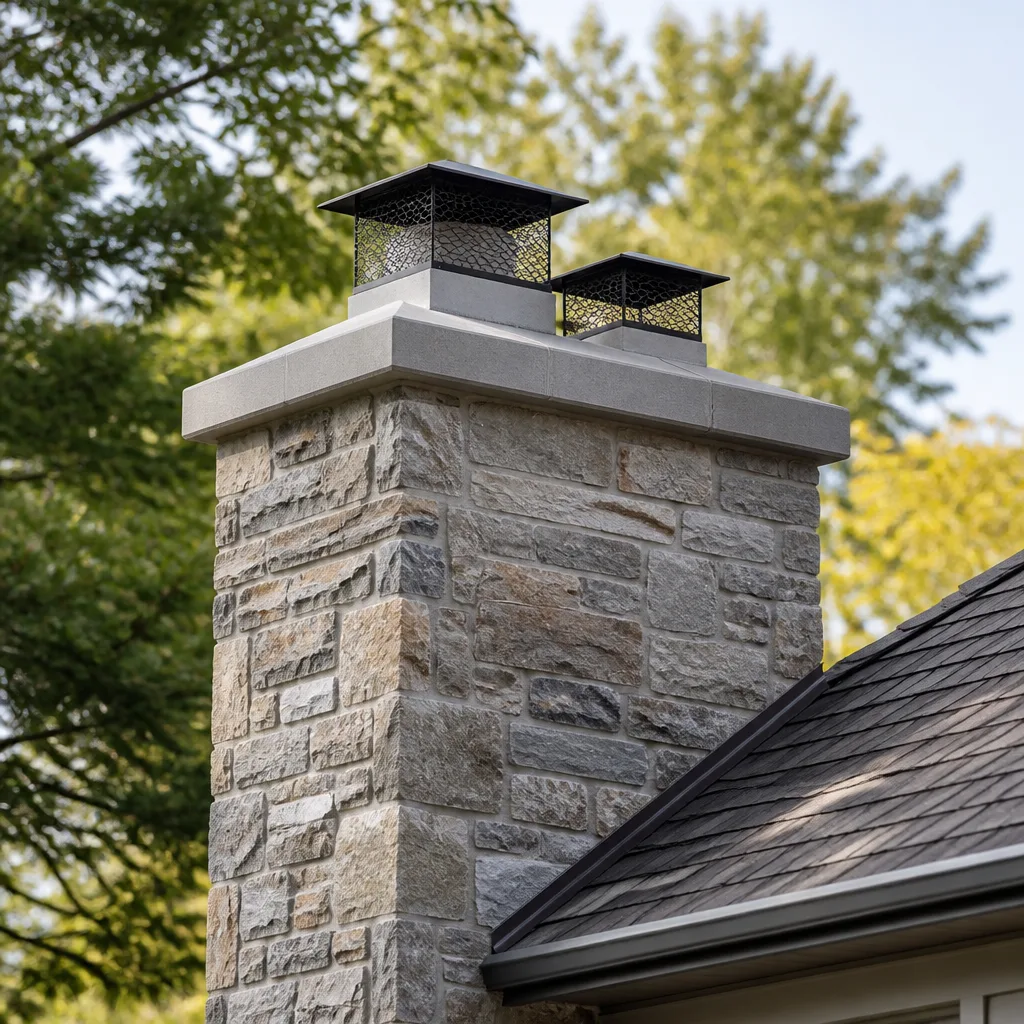
- Ignoring the chimney cap. In Valencia, a missing or damaged cap is the most common entry point for both water and wildlife. Replacing a cap is an inexpensive fix compared to the damage an uncapped chimney invites.
- Burning unseasoned wood. Wet wood produces cooler, smokier fires and dramatically faster creosote buildup. Wood should be seasoned for at least six months and ideally twelve before burning.
- Waiting until fall to book services. The October rush in Valencia means longer wait times and less flexibility. Booking in August or September gets the same work done on your schedule, not the market’s.
- Treating the fireplace as the only fire risk in the home. A clogged dryer vent is statistically one of the most common household fire hazards. The homeowner who maintains one and ignores the other has only done half the job.
See the difference
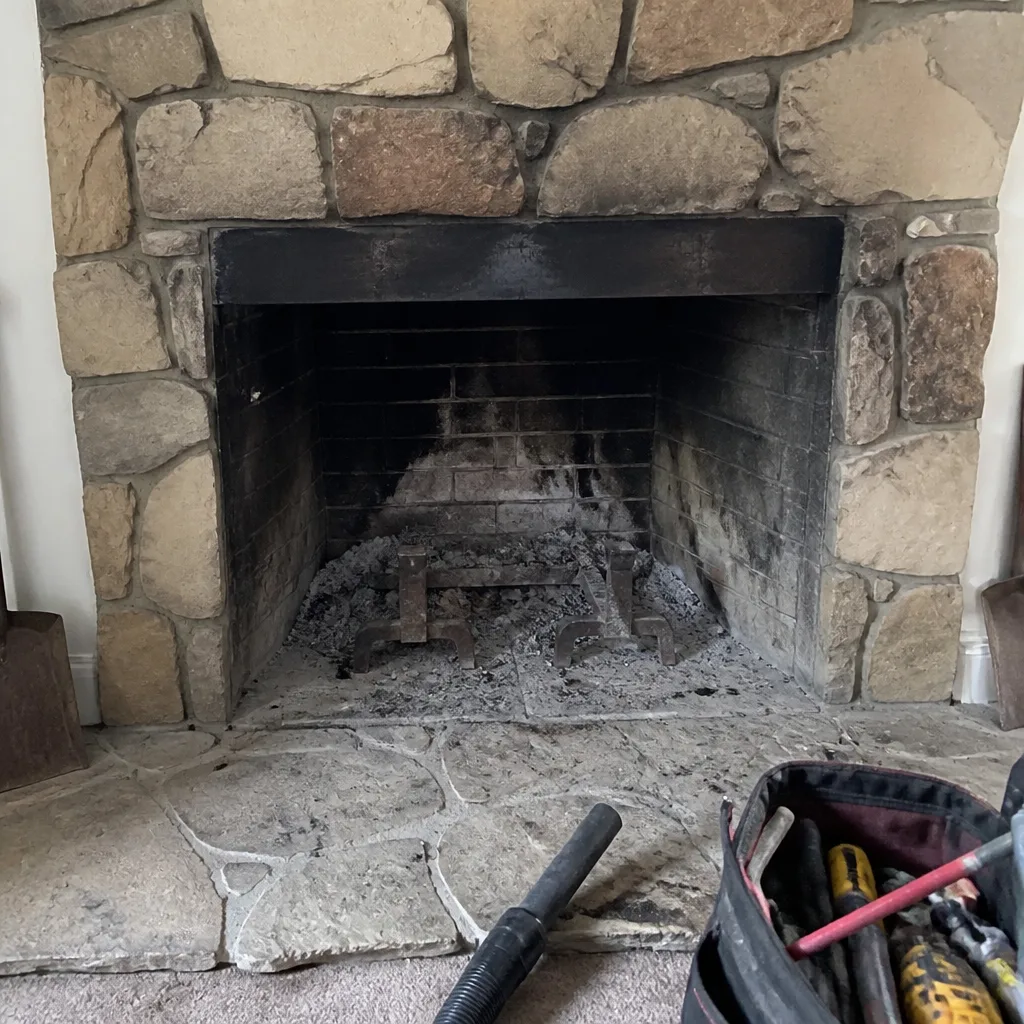 Before
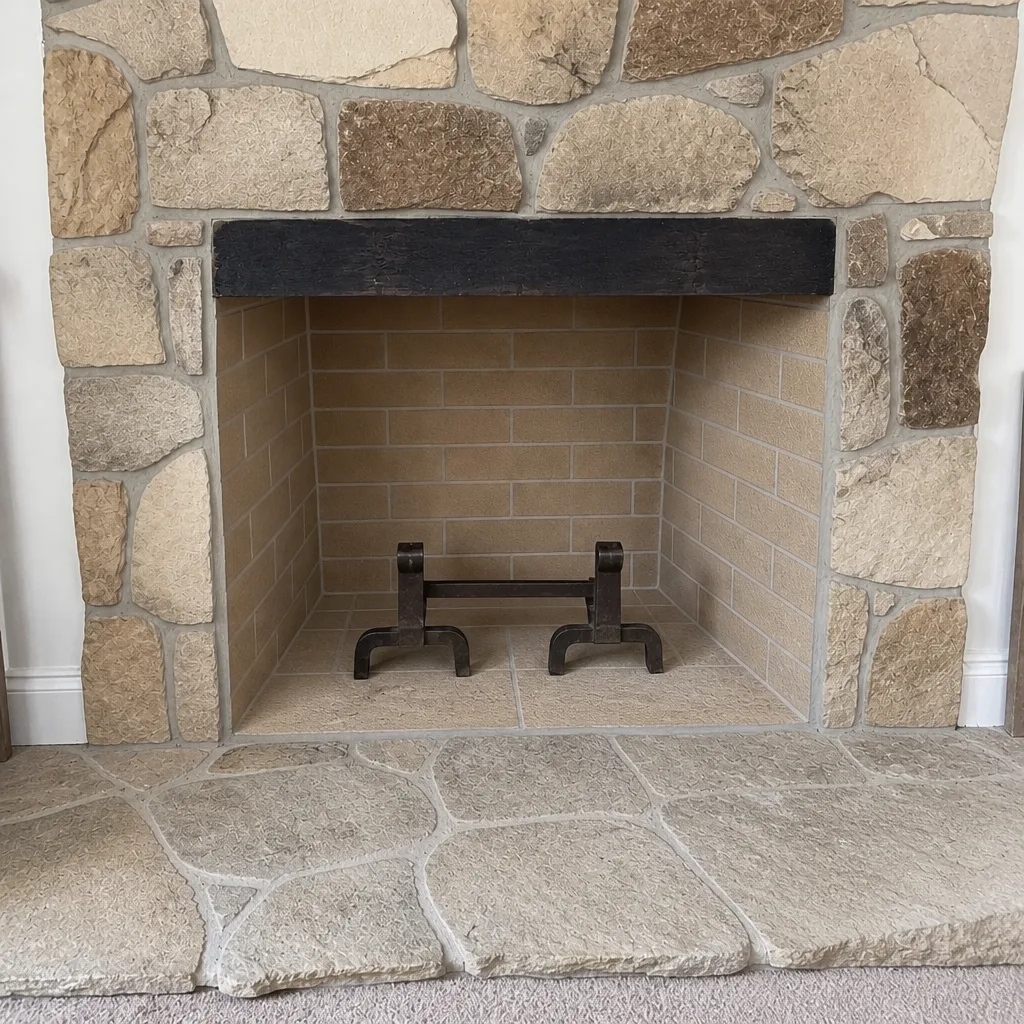 After
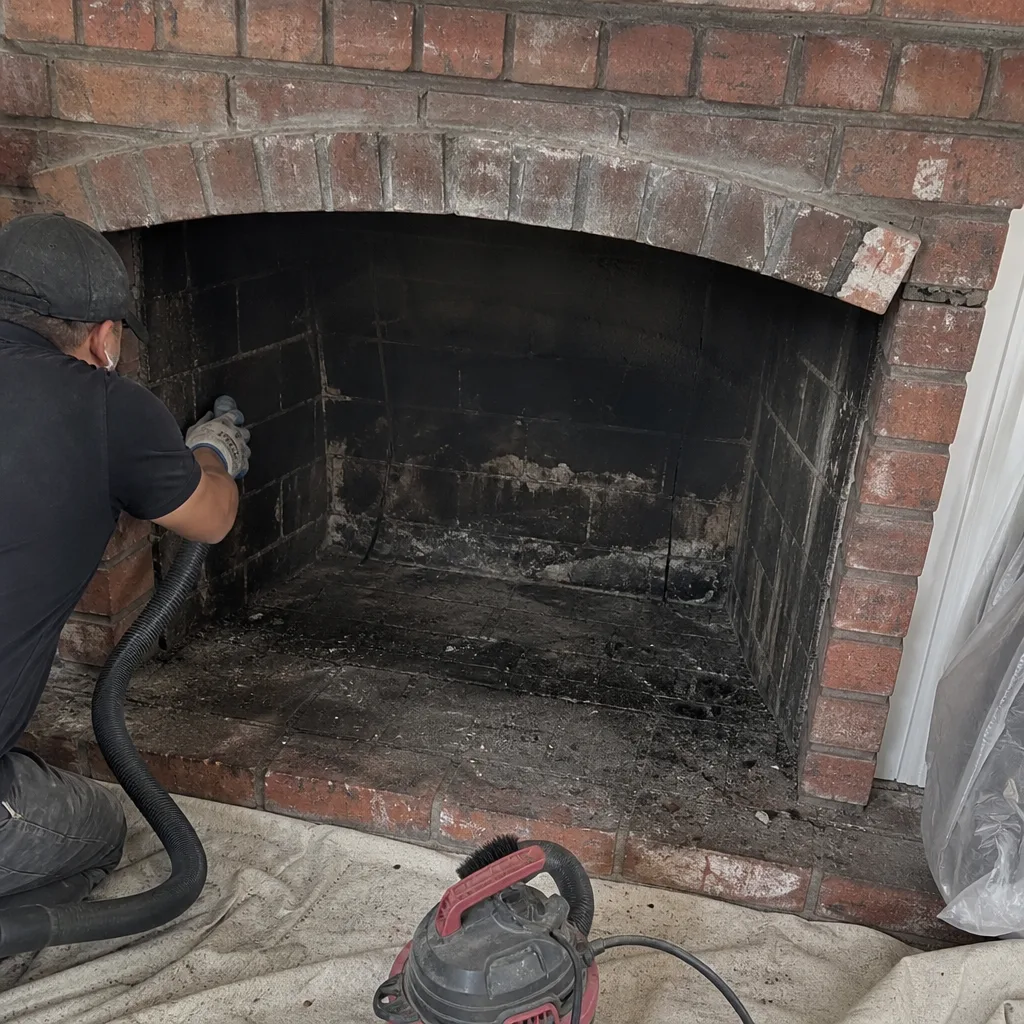 Before
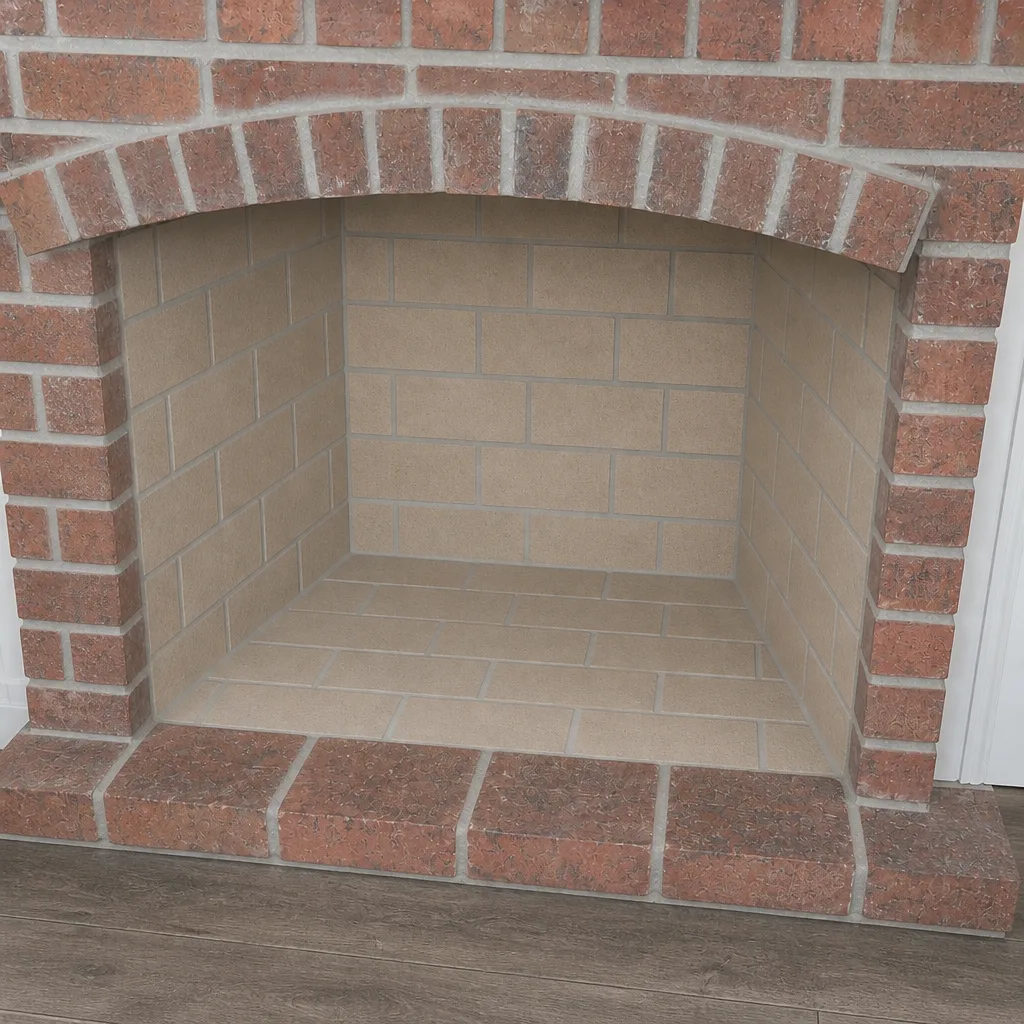 After
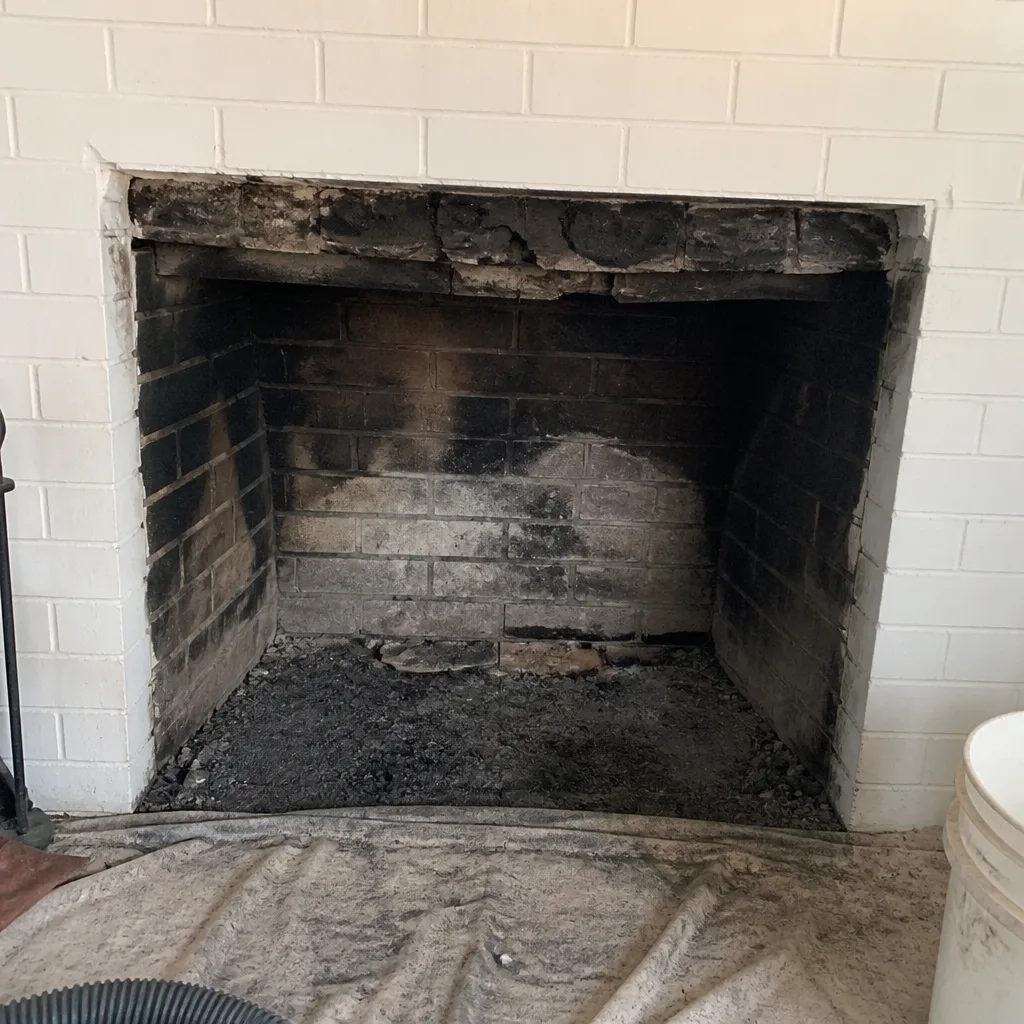 Before
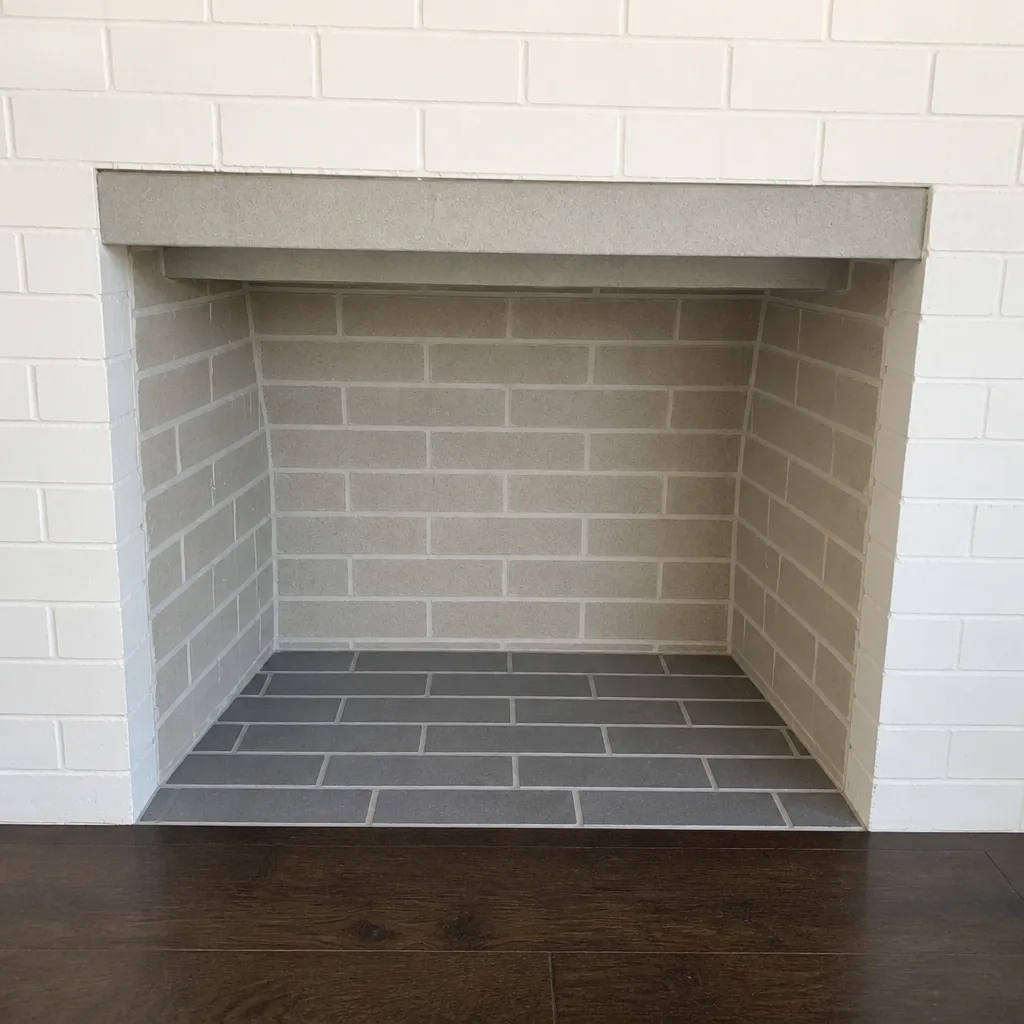 After
When to Call a Professional
Some chimney problems are obvious enough that a homeowner can spot them, and a few require urgent attention. If you see water in the firebox, smoke entering the room during normal operation, or thick glazed creosote on the flue walls, schedule a professional inspection immediately. The same applies if you smell gas from a gas log set or if your dryer takes twice as long as it used to. These are not routine maintenance items. They’re signs of active problems that get more expensive and more dangerous the longer they wait. Chimney Sweep Valencia offers free estimates throughout Valencia and the surrounding area. Call (866) 472-5217. We answer 24/7. Fast dispatch from 7am to 7pm, Sunday through Friday. When we arrive, we inspect before we recommend anything, and we show you what we found. We don’t just clean, we inspect, diagnose, and repair.
Frequently Asked Questions
Most wood-burning fireplaces in Valencia need a sweep every 1 to 2 years, depending on usage. Homes that burn more than twice a week through winter should schedule a sweep every 30 to 40 fires, which can mean twice per season. Gas log sets typically only need a sweep every 3 to 5 years, but still require an annual inspection. Call (866) 472-5217 for a free estimate tailored to your burn habits.
Skipping an inspection leaves you blind to problems that don’t announce themselves. A cracked flue liner, a deteriorated crown, or a partially blocked vent can exist for months without obvious symptoms. In the meantime, water keeps entering the masonry, creosote keeps accumulating, and the repair cost keeps climbing. A missed inspection doesn’t cause the damage; it lets the damage continue unnoticed. Call (866) 472-5217 to schedule an inspection and get a clear picture of your chimney’s condition.
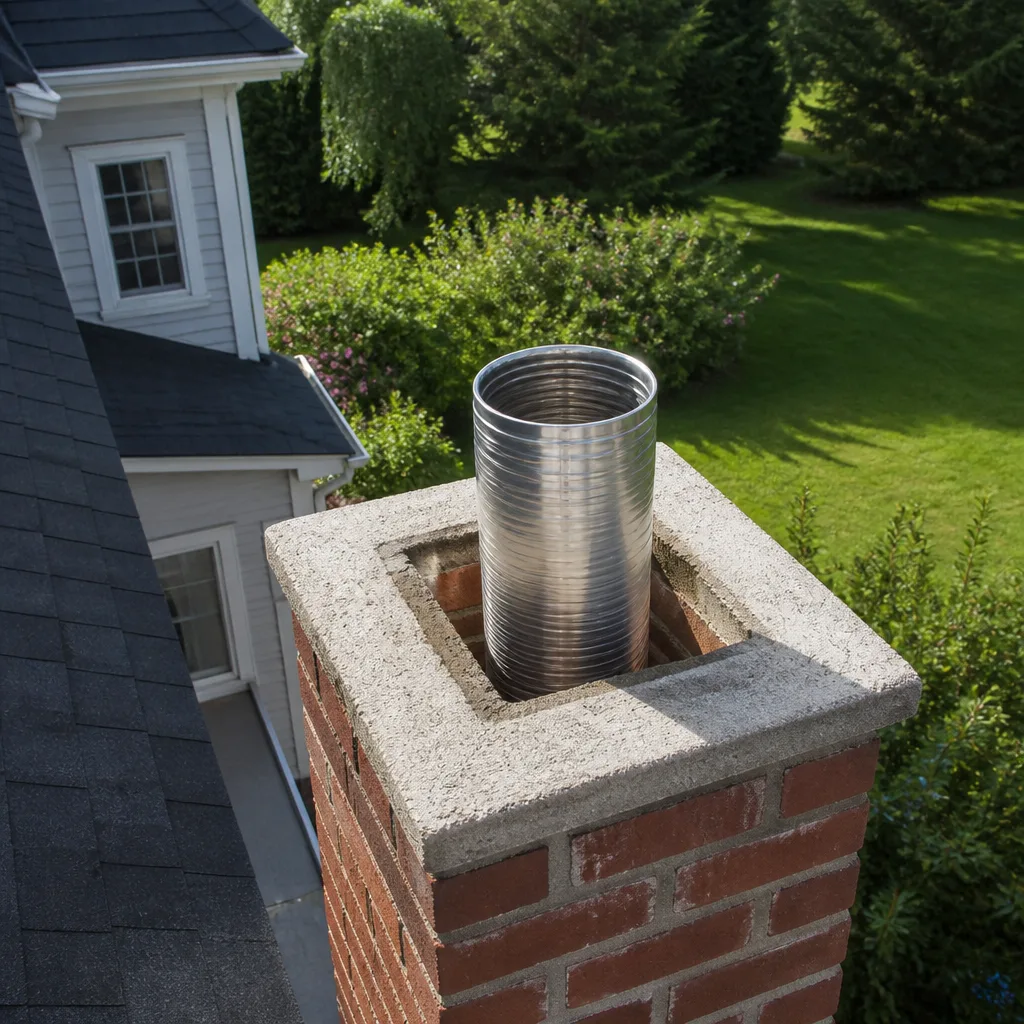
Not always. A cracked clay flue liner can often be resurfaced using HeatShield, a process that restores the liner’s integrity without a full replacement. In cases where the damage is beyond resurfacing, a DuraFlex flexible liner system provides a full relining solution. The key is getting a camera inspection that shows the actual condition of the flue before deciding. Restoration before replacement is our default approach when the existing liner can be saved. Call (866) 472-5217 to have your liner evaluated.
Rarely, but it does need an annual inspection. Gas fireplaces produce no creosote, which eliminates the main reason for sweeping. However, they produce water vapor that can accelerate liner deterioration, and soot can build up if the burner isn’t adjusted correctly. A yearly inspection catches venting issues, water intrusion, and soot accumulation before they become problems. Most gas log chimneys in Valencia need a sweep every 3 to 5 years at most. Call (866) 472-5217 for an inspection of your gas appliance.
Chimney sweeping costs vary based on the level of creosote buildup, the height and accessibility of the flue, and whether any repairs are identified during the inspection. A standard sweep for a typical Valencia single-story home is usually less expensive than a heavy-creosote removal or a sweep that includes a liner inspection with camera equipment. The final price is set by the written estimate before any work begins, and estimates are free. Call (866) 472-5217 to get a precise quote for your chimney.
Often, yes. Because Chimney Sweep Valencia is a full-service chimney and venting company, not a cleaning-only operation, issues found during a routine sweep can frequently be addressed right then. Damaged flue tiles can be evaluated for HeatShield resurfacing, deteriorated liners can be scheduled for DuraFlex relining, and cap or crown repairs can be handled without bringing in a second contractor. One call covers cleaning, lining, repair, and venting. Call (866) 472-5217 to discuss what your chimney needs.
The Bottom Line
Your chimney maintenance schedule should be built around how you actually use your fireplace, not a default annual assumption. Gas log sets need an annual inspection and only occasional sweeping. Wood burners need more frequent cleaning as burn frequency rises, and primary heat sources demand mid-season attention. Valencia’s mild climate means less creosote accumulation than colder regions but more year-round moisture and wildlife pressure. Schedule inspections in late summer to beat the fall rush and catch off-season damage early. Check the cap, damper, and firebox between visits, and treat dryer vents as part of the same fire-prevention discipline. When maintenance is overdue, the indicators are visible if you know what to look for. The right schedule prevents fires, preserves the chimney, and avoids the expensive repairs that follow neglected maintenance.
Written by the team at Chimney Sweep Valencia, serving Valencia since 2012.