
Last updated November 4, 2026
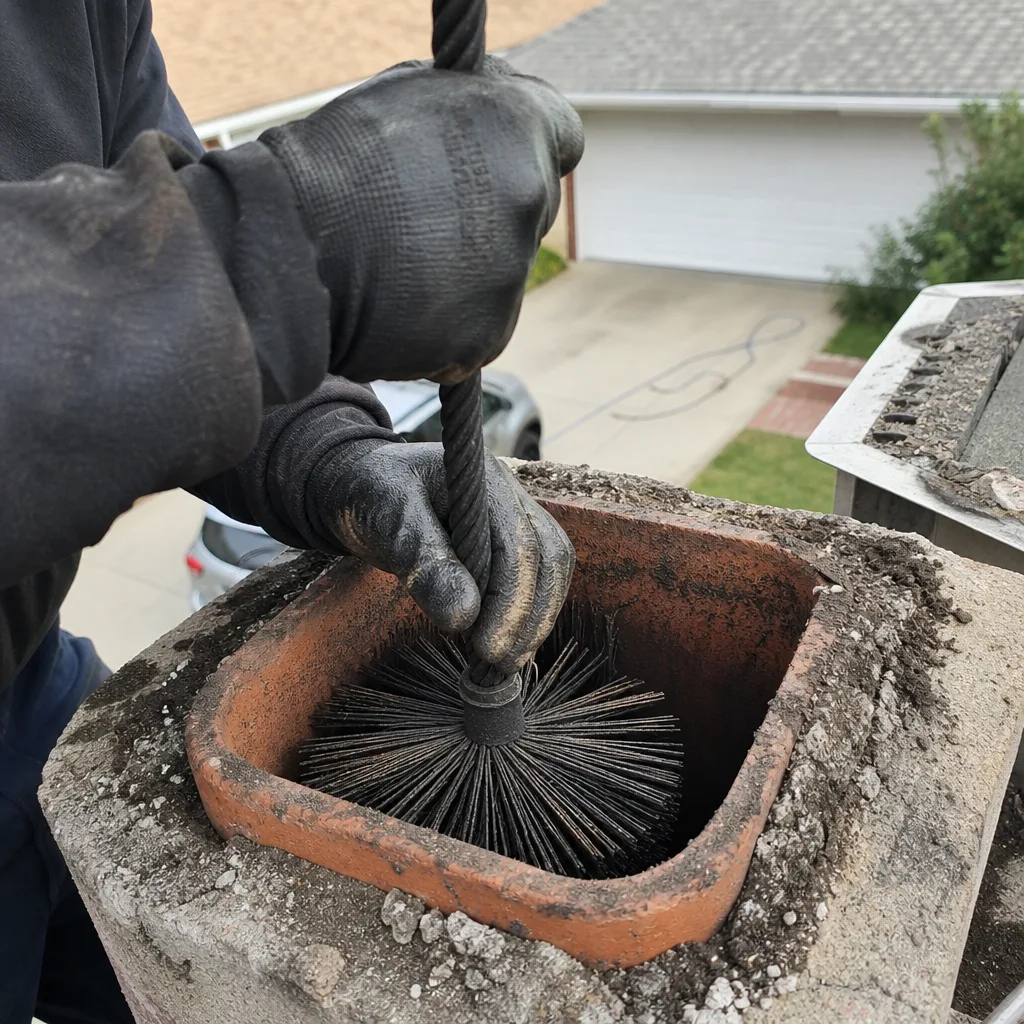
 Sweep & inspection
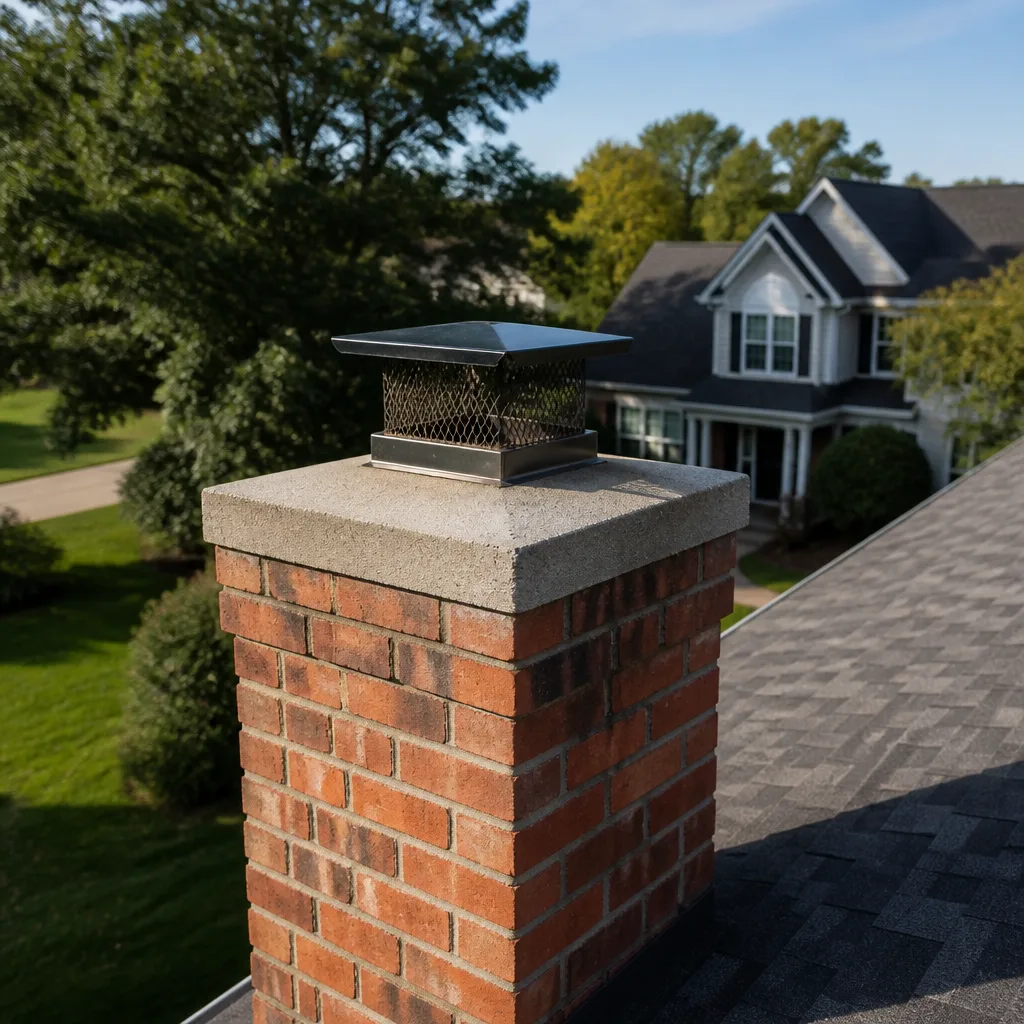
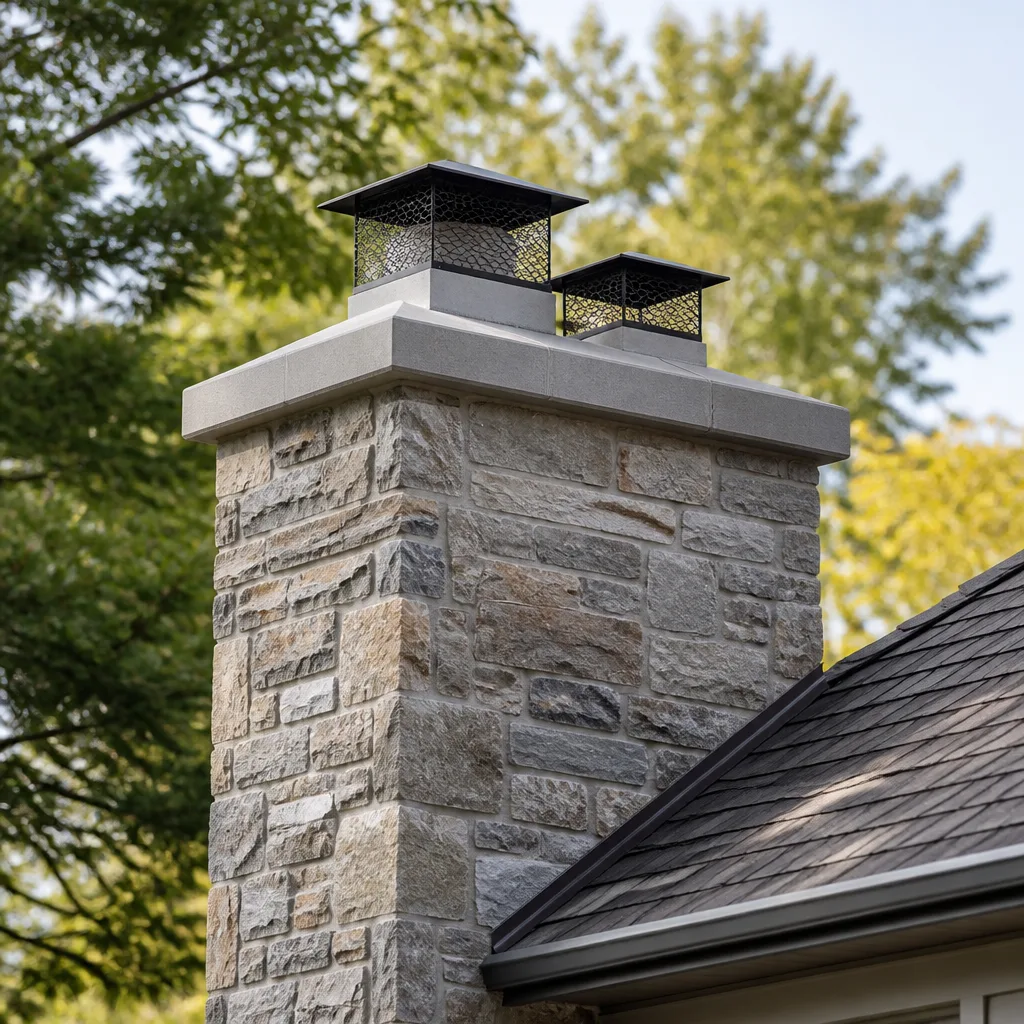 Caps & crowns
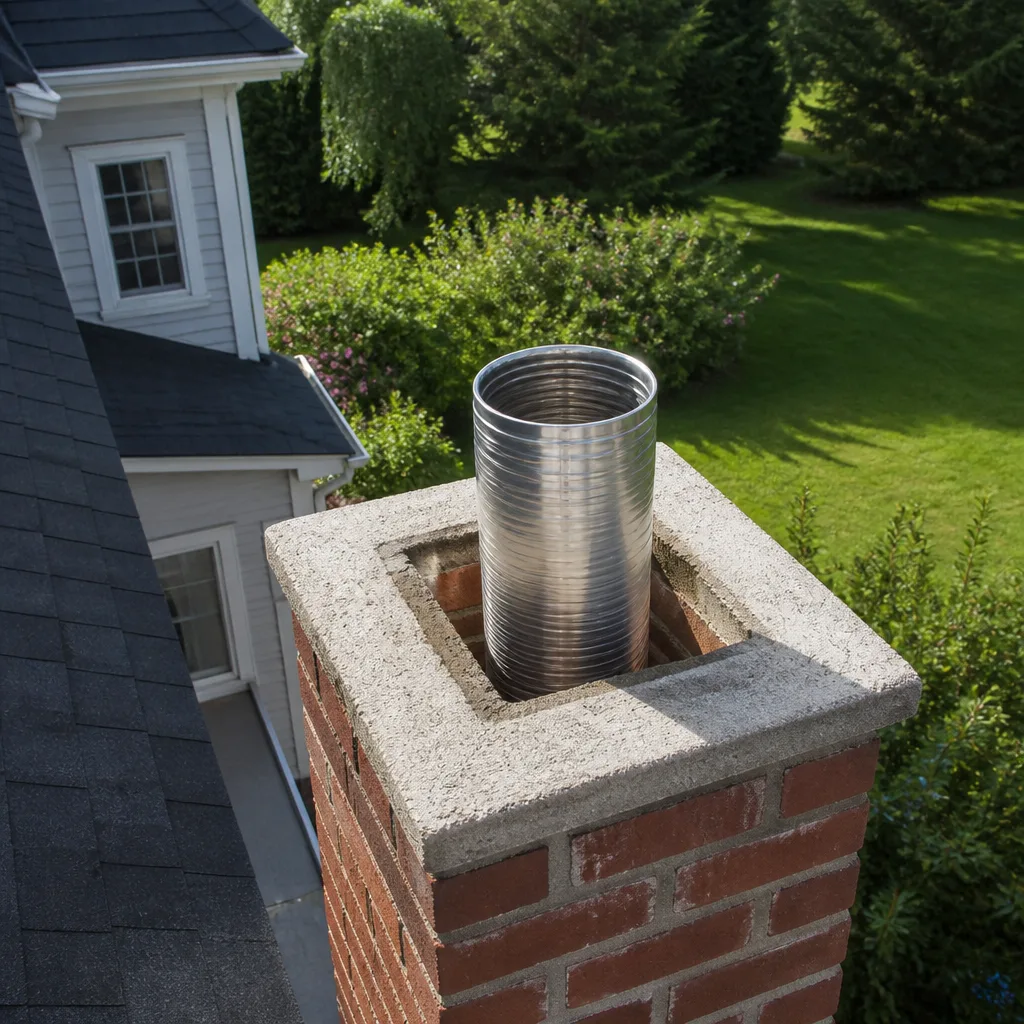 Flue relining
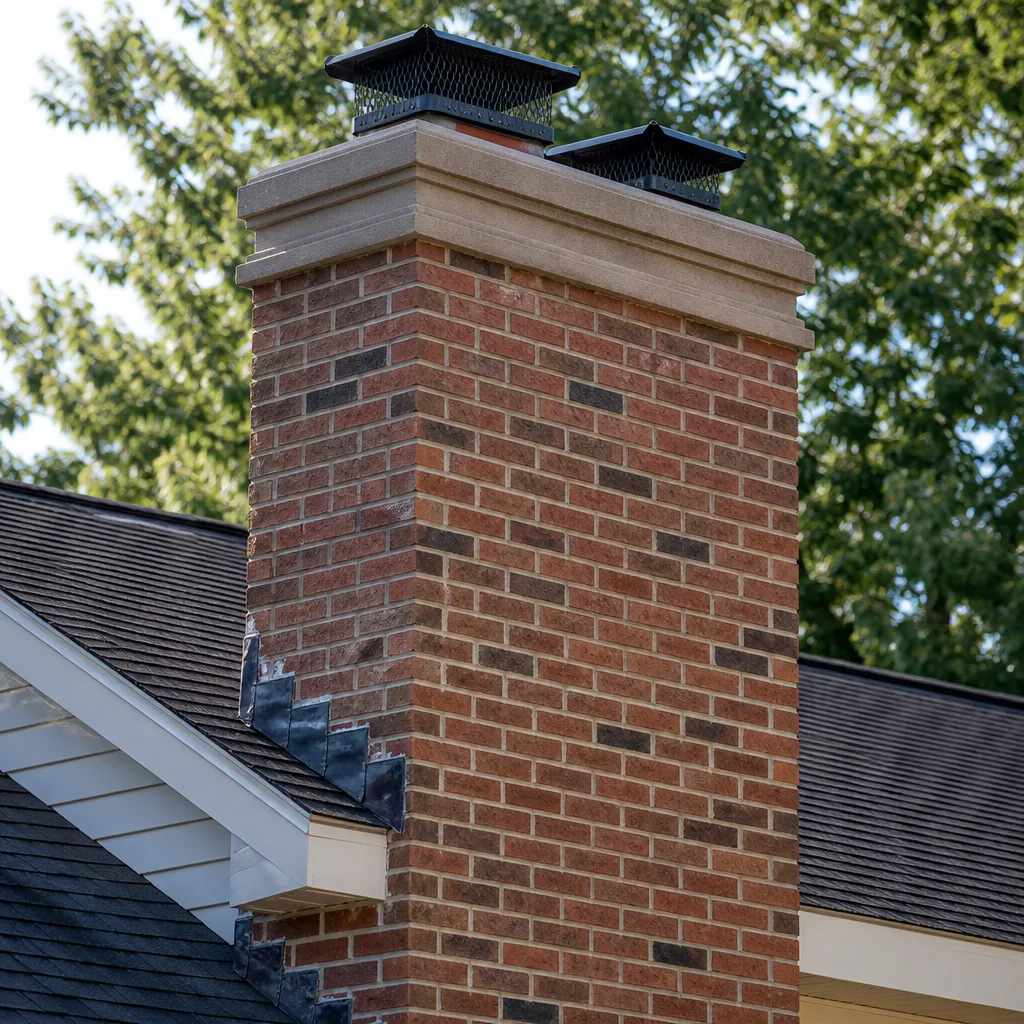 Masonry repair
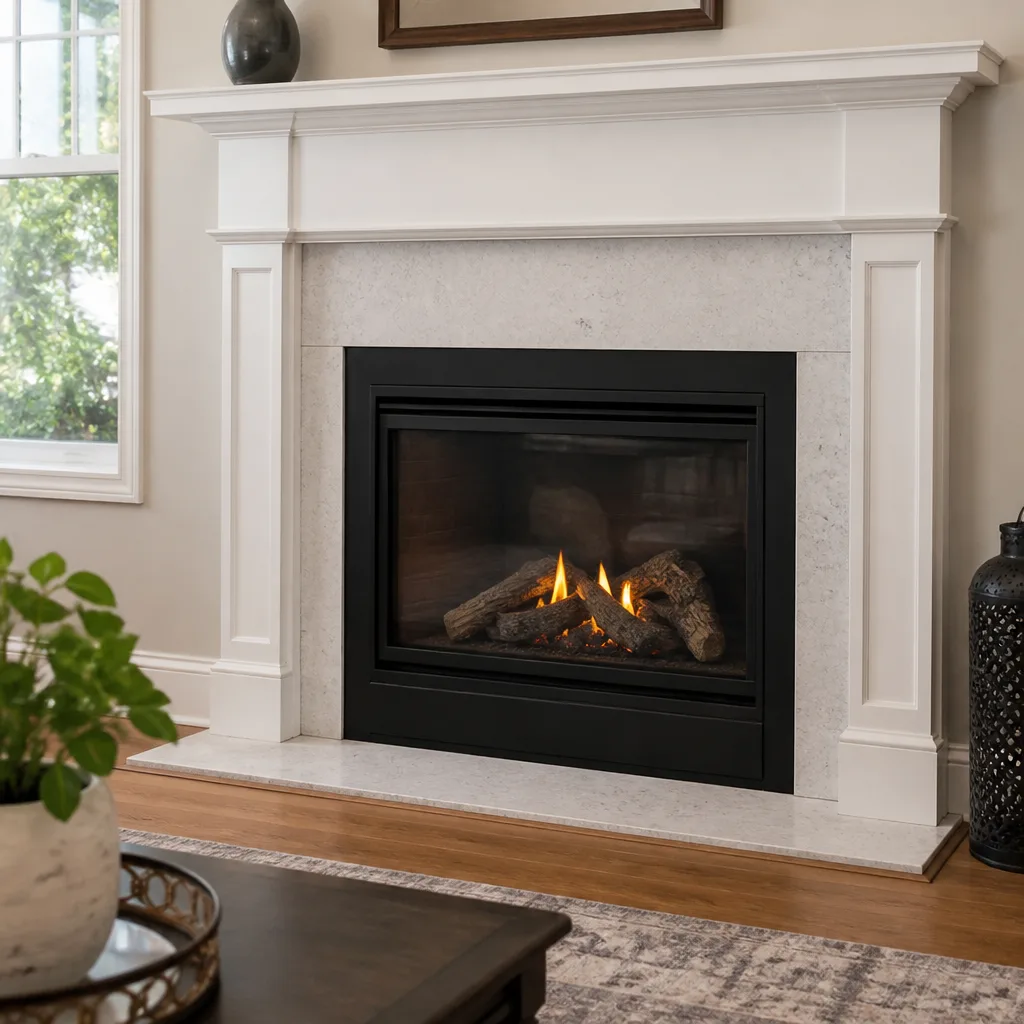 Gas fireplace service
Level 1 sweep and inspection to the NFPA 211 annual standard - flue, crown, cap, and flashing checked and photographed
Chimney sweep logs do not sweep chimneys. They loosen some creosote - which then falls where a brush and vacuum still have to collect it.
Chimney Sweep Troubleshooting in Valencia: Common Problems and How to Fix Them
Smoke pushing back into your living room isn’t always a dirty flue. Sometimes it’s a pressure imbalance caused by a kitchen exhaust fan or a tightly sealed house, and sweeping the chimney won’t fix it. Most homeowners in Valencia call a chimney company with one complaint: smoke where it shouldn’t be. But smoke is a symptom, not a diagnosis. This guide teaches you to read your chimney the way a technician does, so you can isolate the root cause before anyone climbs on a roof. You’ll learn which problems you can handle yourself, which ones need a professional inspection, and how to document what you’re seeing so a qualified chimney sweep gets actionable information instead of “it just doesn’t work right.”
Styles & brands we work with
- Sweep & inspection
- Caps & crowns
- Flue relining
- Masonry repair
- Gas fireplace service
Quick Answer
Chimney troubleshooting in Valencia starts with identifying the symptom: smoke backdraft usually points to air pressure problems or a blocked flue, persistent odors often mean creosote buildup or a missing cap, and slow ignition typically relates to cold air sitting in the chimney. Most diagnosable issues fall into four categories: airflow obstruction, house depressurization, structural damage, and moisture intrusion. A systematic check of damper position, visible blockages, and recent home changes will isolate the cause in roughly 80% of cases without special tools.
Table of Contents
- Symptom-to-Cause: Matching Complaints to Root Problems
- The House Depressurization Problem Most Homeowners Miss
- How Valencia’s Climate Affects Draft and Chimney Performance
- DIY Fixes vs. Professional Inspections: Where to Draw the Line
- How to Document Chimney Symptoms for Accurate Diagnosis
- Structural Red Flags That Change the Whole Diagnosis
- When the Problem Isn’t the Chimney at All: Dryer Vent Connections
- Common Mistakes to Avoid
- When to Call a Professional
- Frequently Asked Questions
- The Bottom Line
Symptom-to-Cause: Matching Complaints to Root Problems
Every chimney complaint maps to a finite set of causes. When we troubleshoot in Valencia, we work through a mental matrix that pairs what the homeowner is experiencing with what the chimney is most likely doing. Here is that matrix.
Smoke entering the living space
Most likely causes, in order of frequency:
- A closed or partially closed damper. This is the single most common cause we see, and it takes thirty seconds to check. If the damper is open but the smoke persists, move down the list.
- House depressurization. Exhaust fans, a running clothes dryer, or a tight building envelope can pull air down the chimney instead of letting it rise. This is especially common in newer Valencia homes built to stricter energy codes.
- A cold flue. Cold air is dense and sinks. Until the chimney warms enough to establish an upward draft, smoke has nowhere to go but back into the room. Pre-warming the flue with a rolled newspaper held near the open damper for 30 to 60 seconds usually corrects this.
- Partial blockage. Creosote buildup, a bird nest, or leaves from nearby mature trees can restrict the flue passage enough to cause spillage.
Persistent odor, even when the fireplace isn’t in use
Odor without a fire usually points to one of three things: creosote that emits a campfire smell on humid or rainy days, a missing or damaged chimney cap that lets rain water pool in the firebox, or negative pressure pulling chimney air into the living space when the HVAC system runs. Valencia‘s occasional heavy downpours can make this worse; water that enters an uncapped flue sits in the smoke chamber and produces a musty, sharp smell that lingers for weeks.
Slow ignition or hard-to-start fires
Fireplaces in Valencia struggle with this more than homeowners expect. When the outside temperature is close to the indoor temperature, there is little thermal difference to create natural draft. The chimney has nothing to work with until you manually establish airflow. This is a feature of our local climate, not a defect in your fireplace.
White staining or efflorescence on exterior brick
Efflorescence is mineral salt left behind when water moves through masonry. In Valencia, this typically appears after a winter of above-average rainfall or when a chimney cap is missing and water is entering from the top. It’s a moisture indicator, and moisture is the root cause of most long-term chimney deterioration.
Soot falling into the firebox between uses
Loose soot falling from the flue walls means the chimney is overdue for cleaning. Built-up creosote flakes off as the flue expands and contracts with temperature changes. This is also a warning sign: creosote in this volume is a fire hazard and should be removed by a professional Chimney Sweep Valencia technician before the next burn.
The House Depressurization Problem Most Homeowners Miss
Here is what surprises many Valencia homeowners: a chimney is not an independent system. It’s part of a pressure relationship between your house and the outside air. For smoke to go up the chimney, air has to come into the house from somewhere. If that replacement air can’t get in, the chimney becomes the air intake, and smoke comes down it.
What fights your chimney for air
- Kitchen exhaust fans. A range hood running at 400 CFM or more can depressurize a kitchen enough to reverse chimney draft in minutes. This is the leading cause of “smoke when cooking” calls we get from Valencia homeowners.
- Bathroom exhaust fans. Multiple fans running simultaneously in a tightly built home can create the same effect.
- HVAC returns. An oversized return or a return located too close to the fireplace draws interior air away from the firebox and pulls chimney air into the living space.
- Clothes dryers. A dryer running during a fire is a classic backdraft trigger. The dryer exhausts hundreds of CFM from the house, and the chimney becomes the path of least resistance for replacement air.
- Tight construction. Homes built in Valencia in the last 15 to 20 years under more stringent energy codes are sealed far more tightly than older homes. This is good for energy bills, bad for natural draft fireplaces.
How to test for depressurization at home
- Open a nearby window or exterior door one to two inches. If the smoke stops pushing back and the fire burns normally, you have a depressurization problem, not a chimney problem.
- Turn off exhaust fans and the clothes dryer. Run a small fire with everything off. If it drafts correctly, the appliances are the culprit.
- Stand near the fireplace and crack the damper slowly. If you feel air coming down from the flue even when there’s no fire, the house is in negative pressure and drawing outside air through the chimney.
If the window-opening test solves your backdraft, you have options. A dedicated combustion air supply can be installed to bring outside air directly to the firebox. Damper adjustments can help. But never try to solve chronic depressurization by leaving windows open during winter fires; that’s a temporary fix that defeats the purpose of a sealed home. The right fix depends on your home’s specific pressure dynamics, and a diagnostic inspection will tell you more than guessing will.
How Valencia’s Climate Affects Draft and Chimney Performance
Valencia sits inland, protected from marine influence, with mild winters and warm summers. That’s a comfortable climate, but it creates specific chimney conditions homeowners in colder regions don’t face.
The temperature differential problem. Natural draft depends on hot air rising through cooler air. When the outside temperature is 65 degrees and your house is 68 degrees, that’s only a 3-degree difference driving the entire upward flow. Compare that to a northern state where the outside is 20 degrees and the house is 70: a 50-degree differential creates strong, predictable draft. Valencia’s mild winter temperatures mean fireplaces often start sluggish, smoke more easily, and take longer to establish a stable burn. This isn’t a defect in your chimney; it’s physics.
Moisture is the bigger concern here, not freezing. Unlike regions that battle freeze-thaw cycles, Valencia chimneys face their worst damage from sustained moisture and heat-driven expansion. Rain enters uncapped flues, settles into mortar joints, and over years accelerates the breakdown of brick and mortar. Add in the heat of regular fires, and the expansion and contraction cycle does the rest. Chimneys in Valencia tend to deteriorate from the top down: cap damage first, then crown cracking, then flue tile deterioration, then structural masonry issues.
What this means for troubleshooting: if you’re experiencing draft problems on a mild evening, the first question isn’t “what’s blocking my chimney.” It’s “is there enough temperature difference to create draft at all?” Understanding this saves homeowners from paying for a sweep they don’t need when the real answer is a pre-warmed flue or a different burn technique.
DIY Fixes vs. Professional Inspections: Where to Draw the Line
Some chimney problems are homeowner-solvable. Others require a professional inspection before you light another fire. Knowing which is which keeps you safe and keeps your spending rational.
Problems you can often address yourself
- Damper position. If the damper is closed, open it fully before starting a fire. If the damper handle is stuck, it may just need cleaning or a simple adjustment.
- Visible cap debris. If you can safely see the top of the chimney from ground level and the cap is clogged with leaves or a visible nest, that’s a clue worth reporting. Do not climb onto the roof to clear it yourself; a chimney sweep will handle it during the servicing.
- Pre-warming a cold flue. Hold a rolled, lit newspaper near the open damper for about a minute before lighting the main fire. This is a standard technique and solves many mild-day backdraft complaints in Valencia.
- Opening a window an inch. If backdraft appears when exhaust fans run, cracking a nearby window temporarily can confirm the pressure diagnosis.
Problems that require a professional before the next fire
- Visible creosote buildup. If you can see shiny, dark, or flaking residue inside the flue, that’s a fire hazard. A sweep removes it safely with the right tools.
- Cracked or spalled brick on the exterior chimney. Cracks let water in and signal structural stress. Continued use puts pressure on compromised material.
- Smoke entering the house despite the window test and a clean flue. This points to internal flue damage that only a camera inspection can identify.
- Any sign of water in the firebox. Water stains, rust on the damper, or dampness in the firebox after rain mean the top of the chimney is failing. This accelerates deterioration rapidly.
- Odors that persist after a cleaning. If a sweep doesn’t resolve the smell, the problem is likely moisture or masonry saturation, not surface buildup.
Here is our position, plainly stated: no reputable chimney company should tell you that you need thousands of dollars of work without showing you camera evidence you can see for yourself. HeatShield flue resurfacing, for example, is a legitimate restoration procedure that can save a damaged flue from full replacement. But it should never be recommended without footage that demonstrates the damage. The same standard applies to any relining or crown repair recommendation. If a company won’t show you the problem, don’t authorize the work.
How to Document Chimney Symptoms for Accurate Diagnosis
Technicians diagnose better with good information. Here is how to prepare before you call a chimney company in Valencia.
- Note the time of day and weather conditions. Backdraft on a 70-degree afternoon has a different cause than backdraft on a 45-degree night. Write down the outside temperature, wind conditions, and whether the problem happened when the HVAC system was running.
- Record which appliances were on. Was the kitchen exhaust fan running? The dryer? Multiple bathroom fans? This tells us immediately whether depressurization is in play.
- Describe the smell precisely. “Campfire smell” points to creosote. “Musty or damp smell” points to water. “Sharp, acrid smell” points to something potentially more serious. Your nose is genuinely diagnostic here.
- Photograph what you can see. A clear photo of the chimney cap from ground level, visible creosote inside the firebox, or staining on the exterior brick gives us context before we arrive.
- List recent home changes. New windows, a new HVAC system, a kitchen renovation with a more powerful range hood, or added insulation all change your home’s pressure dynamics. Homes that once drafted fine can suddenly backdraft after an energy-efficiency upgrade.
- Track when the problem started. Was it gradual or sudden? Gradual usually means buildup or slow deterioration. Sudden often means an obstruction, a failed damper, or a recent change to the home.
This documentation takes ten minutes and transforms a vague complaint into a diagnosable problem. A technician who arrives with this information can often tell you what’s wrong before even climbing onto the roof.
Structural Red Flags That Change the Whole Diagnosis
Some symptoms look like draft or odor problems but are actually structural issues presenting in disguise. Here is what to watch for.
Crown cracking
The chimney crown is the concrete cap that seals the top of the masonry. Hairline cracks let water in, and water is the enemy of every chimney in Valencia. A cracked crown often shows up as interior water staining before any draft problem appears. By the time you see efflorescence on the outside, moisture has been working on the inside for months or years.
Flue tile deterioration
Clay flue tiles crack under repeated heating and cooling cycles. Once cracked, they expose the masonry behind them to heat and moisture. This is exactly the scenario where HeatShield resurfacing becomes relevant: rather than a full rebuild, the damaged flue can often be restored with a ceramic coating applied directly to the inside of the chimney. The procedure works when damage is caught before structural failure. That’s why annual inspections matter; the earlier you find flue damage, the more options you have.
Spalling brick
Spalling is brick face that flakes off in chips or sheets. It means moisture has penetrated the brick and internal expansion is breaking it apart. You’ll see it as uneven pitting or piles of brick dust at the base of the chimney. Spalling is always a progressive issue. It won’t stop on its own.
Rusted damper components
A damper that’s rusted, warped, or no longer seals properly lets conditioned air escape in summer and allows chimney air into the house in winter. It also usually signals longstanding water intrusion from above. If the damper is rusted, the cap or crown is letting water in, and that has to be addressed or any new damper will rust too.
When the Problem Isn’t the Chimney at All: Dryer Vent Connections
Here is something most chimney-only companies won’t tell you: some of the “chimney problems” homeowners call about are actually dryer vent problems sharing the same pressure dynamics.
Your clothes dryer exhausts hundreds of cubic feet of air per minute out of the house. That air has to be replaced from somewhere. In a tight Valencia home, the replacement air often comes down the chimney, especially when a fire is burning. The chimney and the dryer vent are interacting systems in the same pressure envelope. A clogged dryer vent makes this worse: a restricted exhaust forces the dryer to work harder for longer, pulling even more air from the house, which increases backdraft potential.
That’s why we offer dryer vent cleaning as a dedicated safety service alongside chimney sweeping and repair. A clogged dryer vent is a leading cause of residential fires, and while it’s not a chimney issue in the strict sense, it lives in the same airflow neighborhood. If you’re troubleshooting backdraft and you’ve ruled out the damper and the flue, the dryer vent is the next place to look. Both systems should be inspected annually, and they should be inspected by someone who understands how they interact.
Common Mistakes to Avoid
- Hiring the cheapest sweep you can find. A low-cost cleaning often uses a brush and a flashlight, not a camera. You’ll get a cleaner flue and no diagnosis. A proper sweep includes inspection, and inspection is where the real value is.
- Ignoring a damper that won’t fully close. A damper that stays partially open is a constant air leak. In summer, it pulls conditioned air out of your house. In winter, it lets cold air in. It also means the damper mechanism itself may be failing and needs attention before it fails completely.
- Burning unseasoned wood. Wet or green wood produces more creosote, less heat, and more smoke. In Valencia, where fires are often small and supplemental, wet wood can double or triple creosote accumulation compared to properly seasoned fuel.
- Assuming a cleaning will fix a smell. Odors are often moisture-related, not buildup-related. If you pay for a sweep and the smell persists, the water source hasn’t been addressed, and the smell will return as soon as more moisture enters the system.
- Running the fireplace and the kitchen exhaust fan at the same time. This is the single most common cause of smoke backdraft we see in Valencia homes with powerful range hoods. Turn the hood off during a fire or crack a window to equalize pressure.
- Delaying a chimney cap replacement. A missing or damaged cap is a small repair with outsized consequences. Water entry from an uncapped flue causes thousands of dollars of masonry damage over time. A $200 cap replacement prevents a $5,000 crown and flue rebuild down the line.
- Closing the damper too soon after a fire. The coals are still producing carbon monoxide even after the flames are gone. Wait until the fire is completely out and the coals are cold to the touch before closing the damper. This is a safety issue, not a draft issue.
When to Call a Professional
You’ve run through the checklist. The damper is open, the flue appears clear, the window test didn’t help, and smoke is still backing up. Or you’ve found efflorescence on the brick, rust on the damper, or a cracked crown. Those are the moments to stop troubleshooting and call someone who can see what you can’t. Camera inspection is the standard now; a technician who shows up without one is working with one hand tied behind their back. Chimney Sweep Valencia offers free estimates in Valencia. Call (866) 472-5217. We answer 24/7. Fast dispatch from 7am to 7pm, Sunday through Friday.
Frequently Asked Questions
A standard chimney sweeping and inspection in Valencia typically runs between $150 and $300 depending on the chimney’s height, accessibility, and condition. The written estimate sets the final price before any work begins. Call (866) 472-5217 for an exact quote; estimates are free.
In many cases, a damaged flue can be restored with HeatShield resurfacing rather than a full liner replacement. The answer depends on the extent of the damage, which a camera inspection reveals. In our experience, roughly half of the homeowners told they need a full relining by less-equipped companies actually qualify for resurfacing. Get a camera-based assessment before authorizing any major work.
The National Fire Protection Association recommends an annual inspection, and sweeping frequency depends on usage. Homes that burn fires regularly through the winter in Valencia should be swept every year. Occasional users can often go two years, but an annual inspection should still happen so small problems don’t become structural ones.
Creosote accumulates, and creosote is combustible. A thick layer inside the flue can ignite, causing a chimney fire that damages the flue tiles, the surrounding masonry, and in severe cases, the house itself. Beyond the fire risk, skipped inspections mean water damage advances unnoticed, and repairs that could have been minor become major.
Mild weather means a small temperature difference between your house and the outside air, which creates weak natural draft. Chimneys in Valencia’s climate struggle with this more than homeowners in cold regions. The fix is usually a pre-warmed flue, a cracked window, or turning off competing exhaust fans.
Yes. Lint is highly flammable, and a restricted dryer vent raises the temperature inside the duct enough to ignite it. Thousands of residential fires start this way every year. Dryer vent cleaning should be performed annually, and it’s a service we handle alongside chimney sweeping because the two systems interact in ways most chimney-only companies overlook.
The Bottom Line
Chimney troubleshooting in Valencia is less about guessing and more about reading symptoms in sequence. Start with the damper. Test for depressurization with a cracked window. Consider the mild local climate and give the flue a chance to establish draft before assuming something is wrong. Document what you observe and share it with a technician who can put a camera in the flue and show you the evidence before recommending any work. Most chimney problems are fixable, and many are fixable without major expense when caught early. The ones that get expensive are the ones that get ignored. Call (866) 472-5217 when you’re ready for an inspection. We answer 24/7. Fast dispatch from 7am to 7pm, Sunday through Friday.
Written by the team at Chimney Sweep Valencia, serving Valencia since 2012.
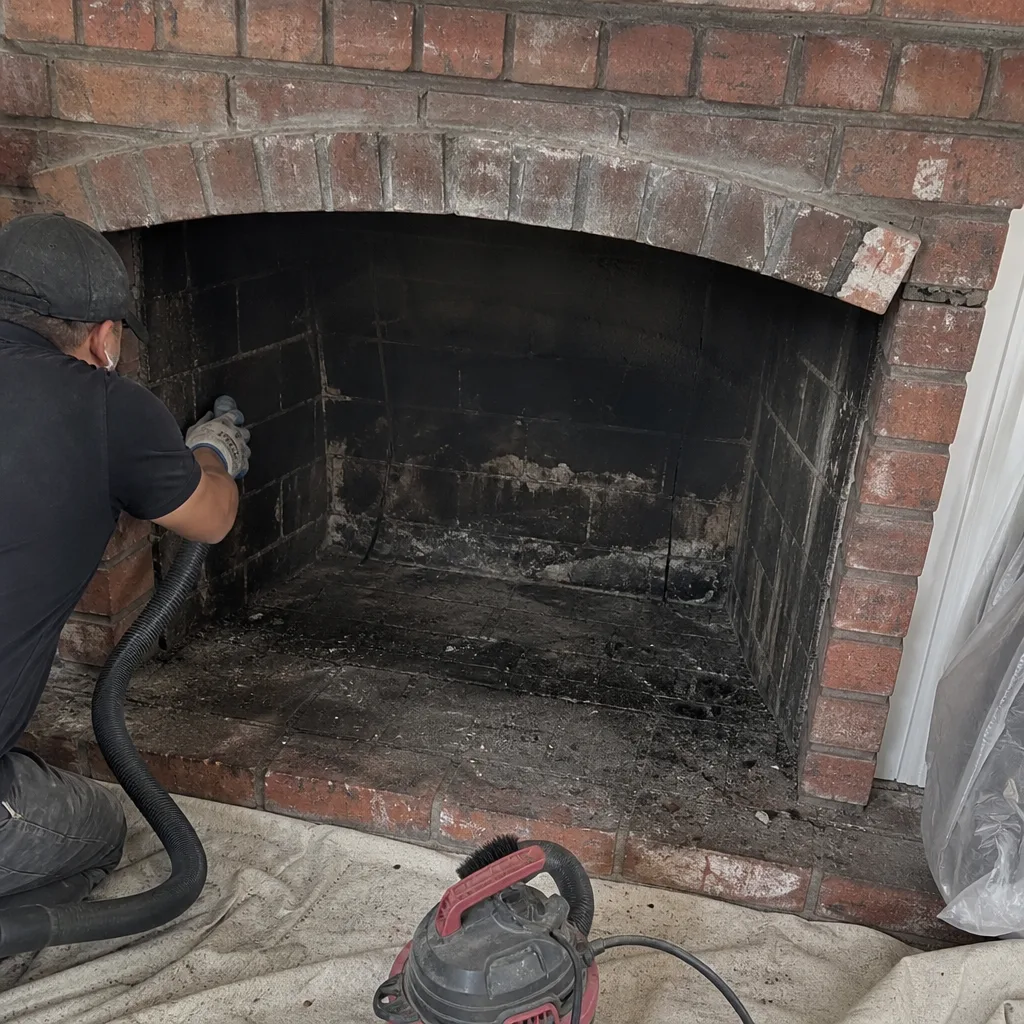
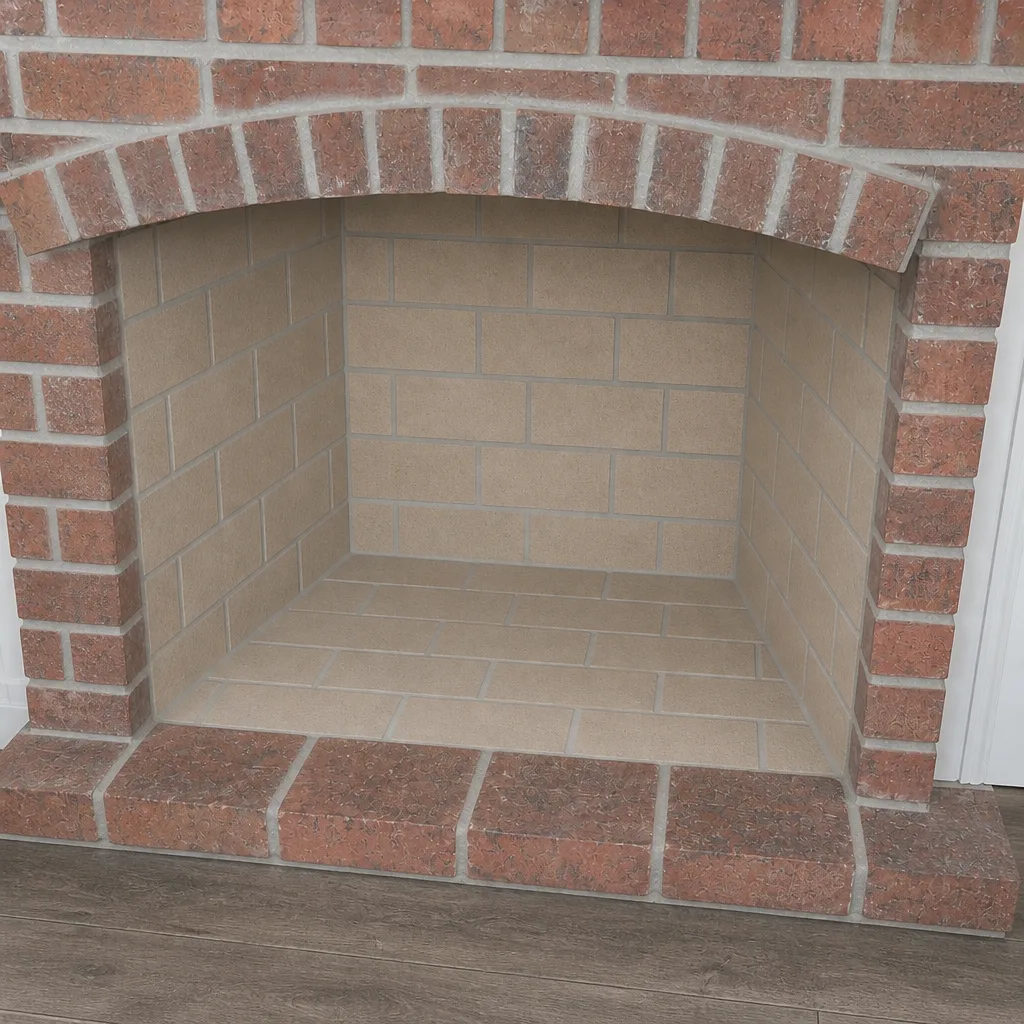
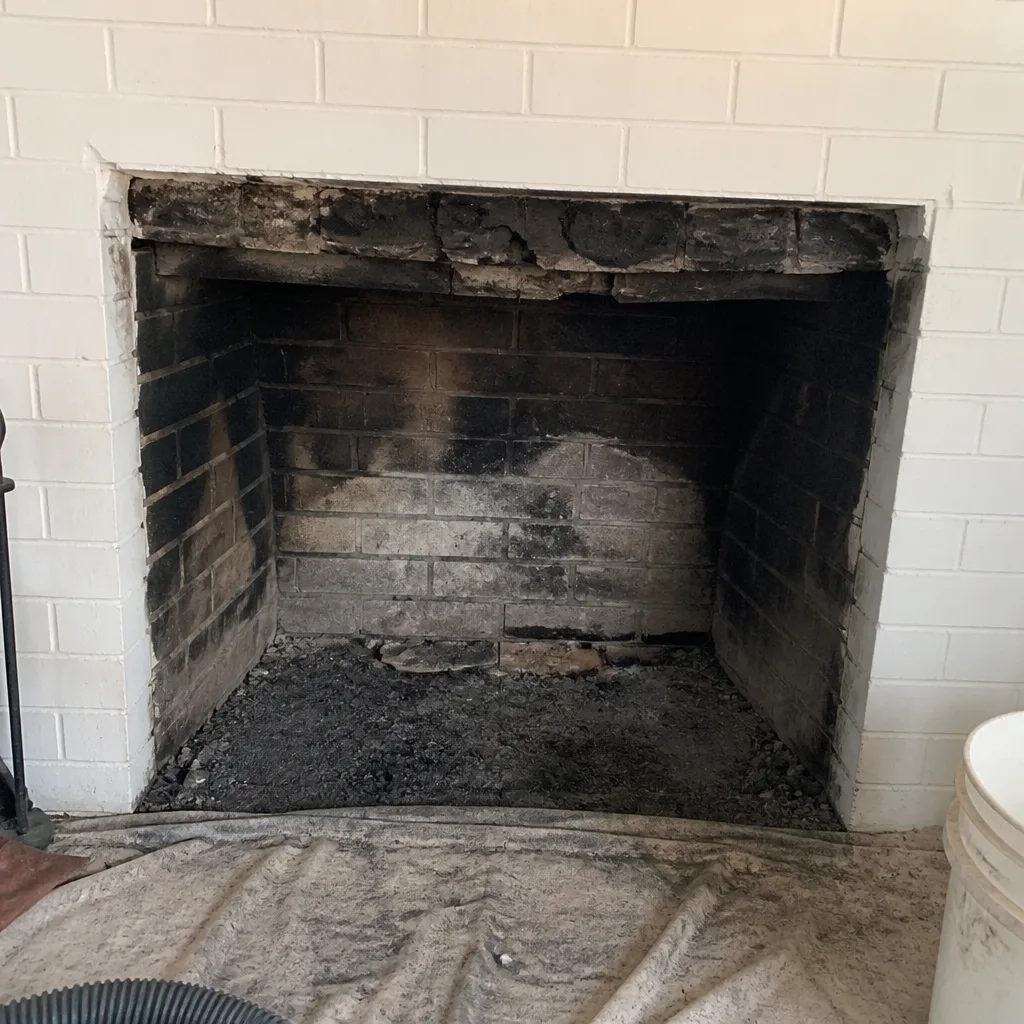
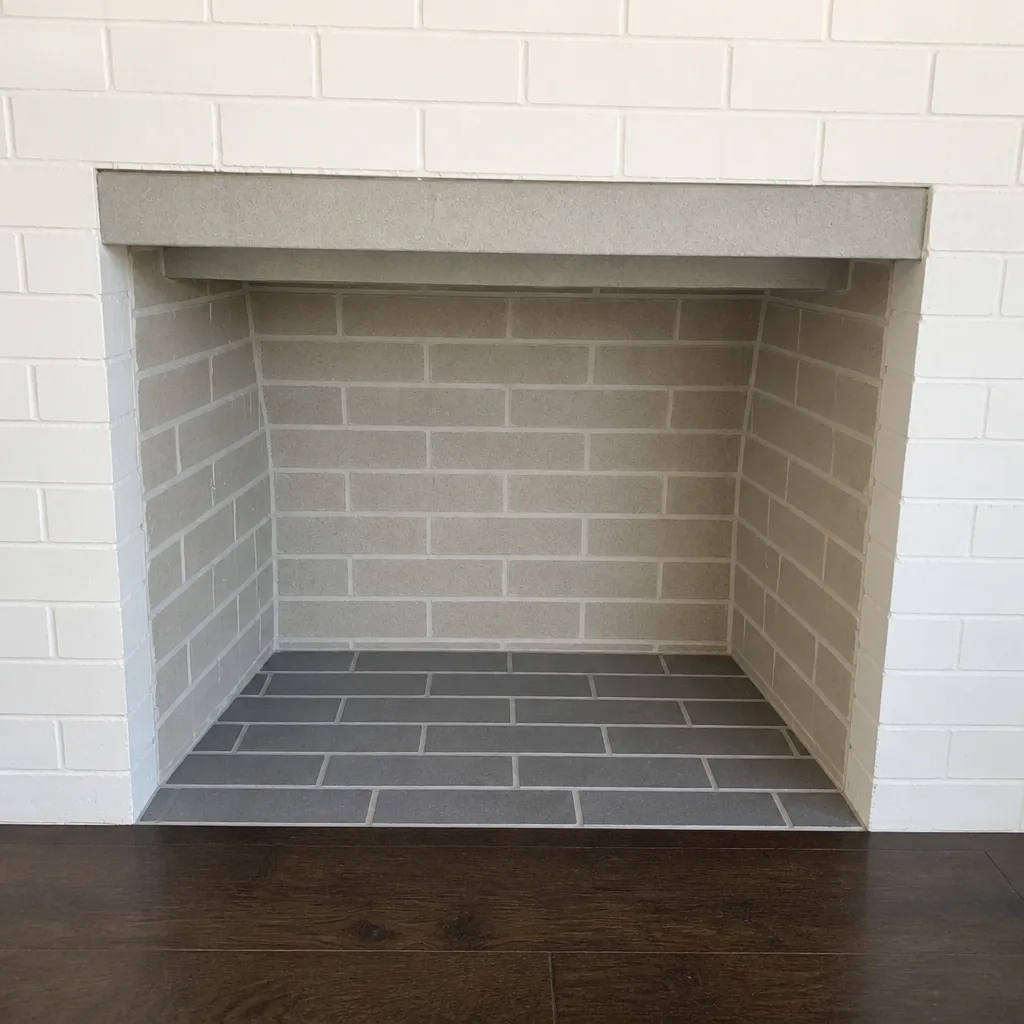
See the difference
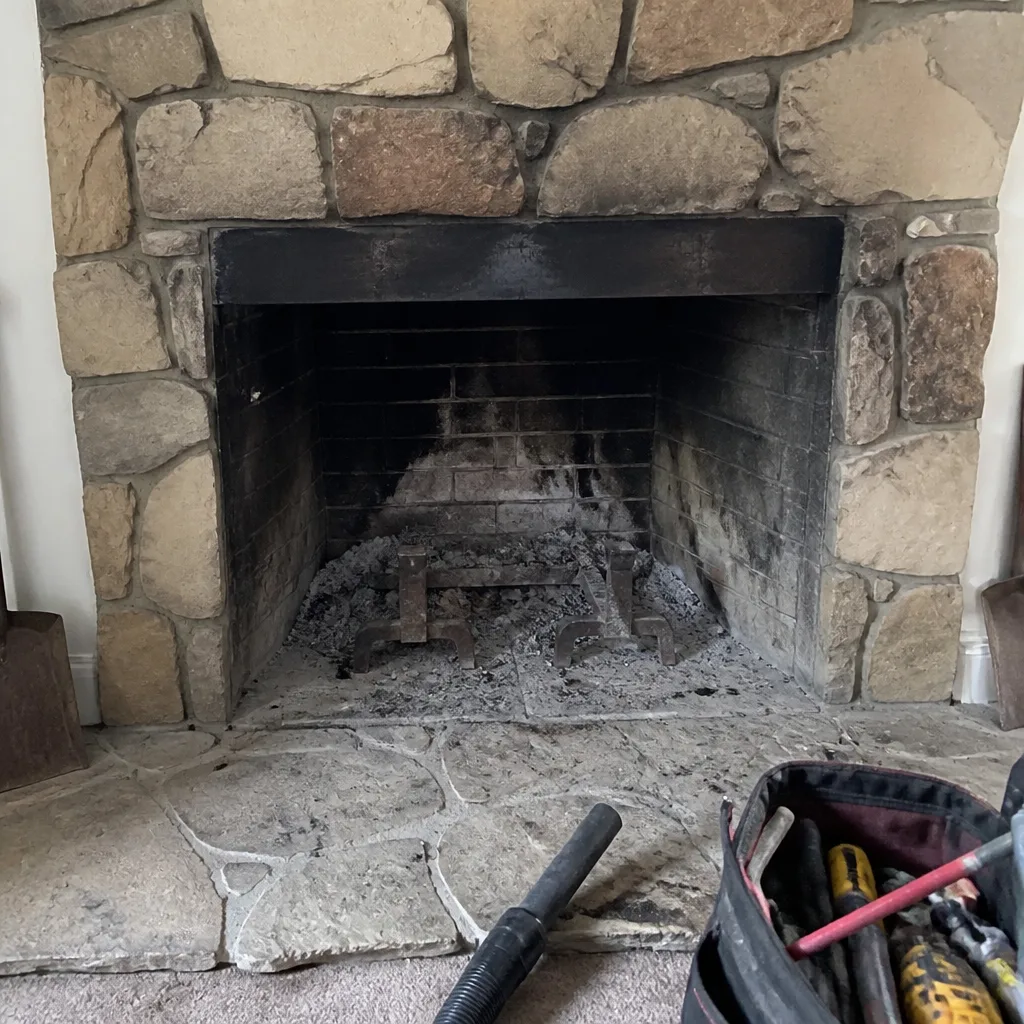 Before
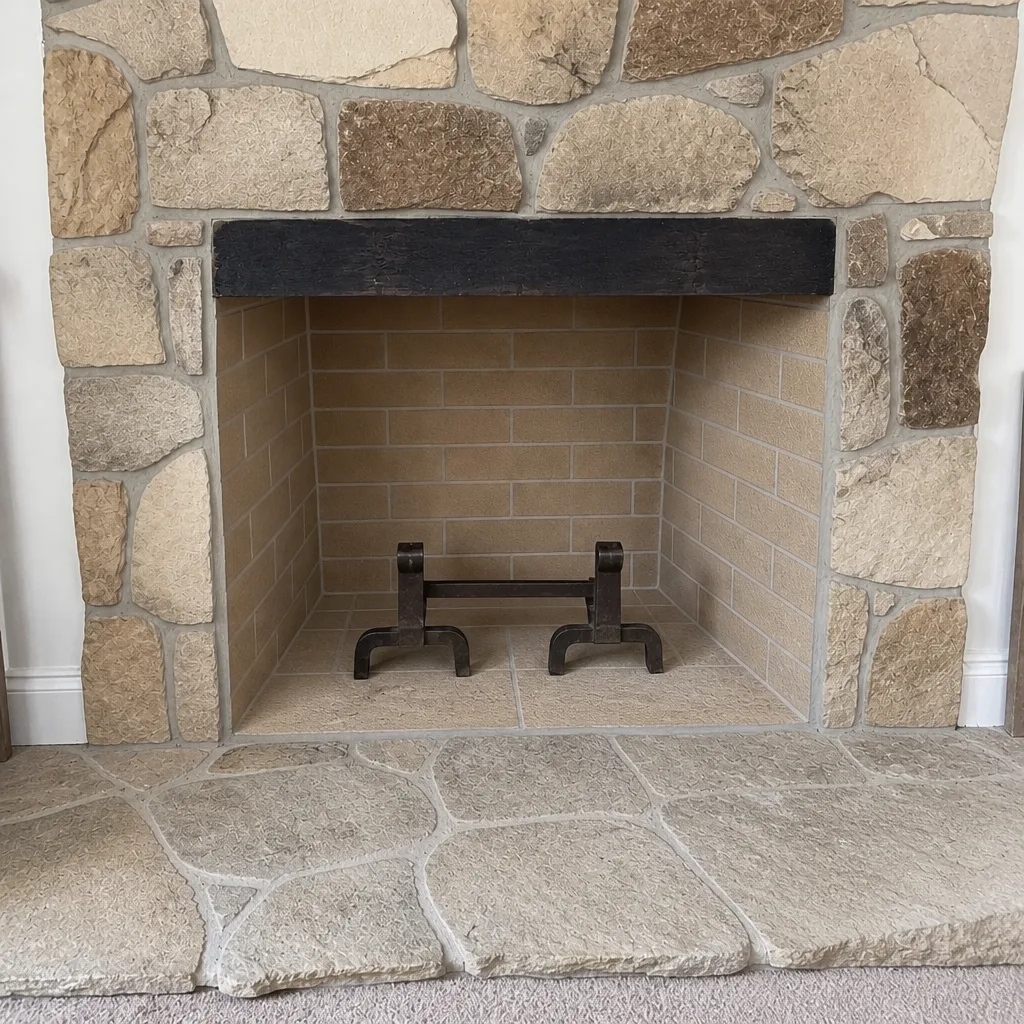 After
 Before
 After
 Before
 After