
Last updated November 4, 2026
 Sweep & inspection
 Caps & crowns
 Flue relining
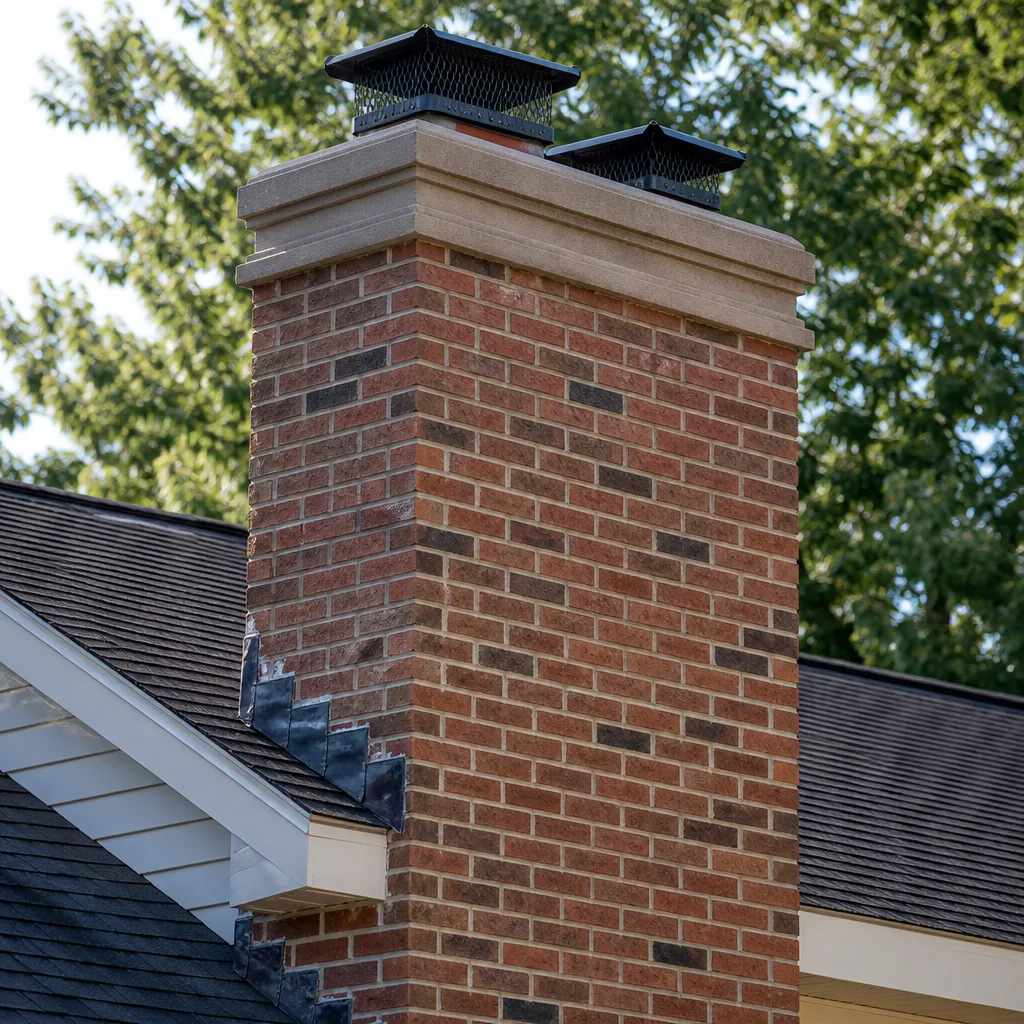 Masonry repair
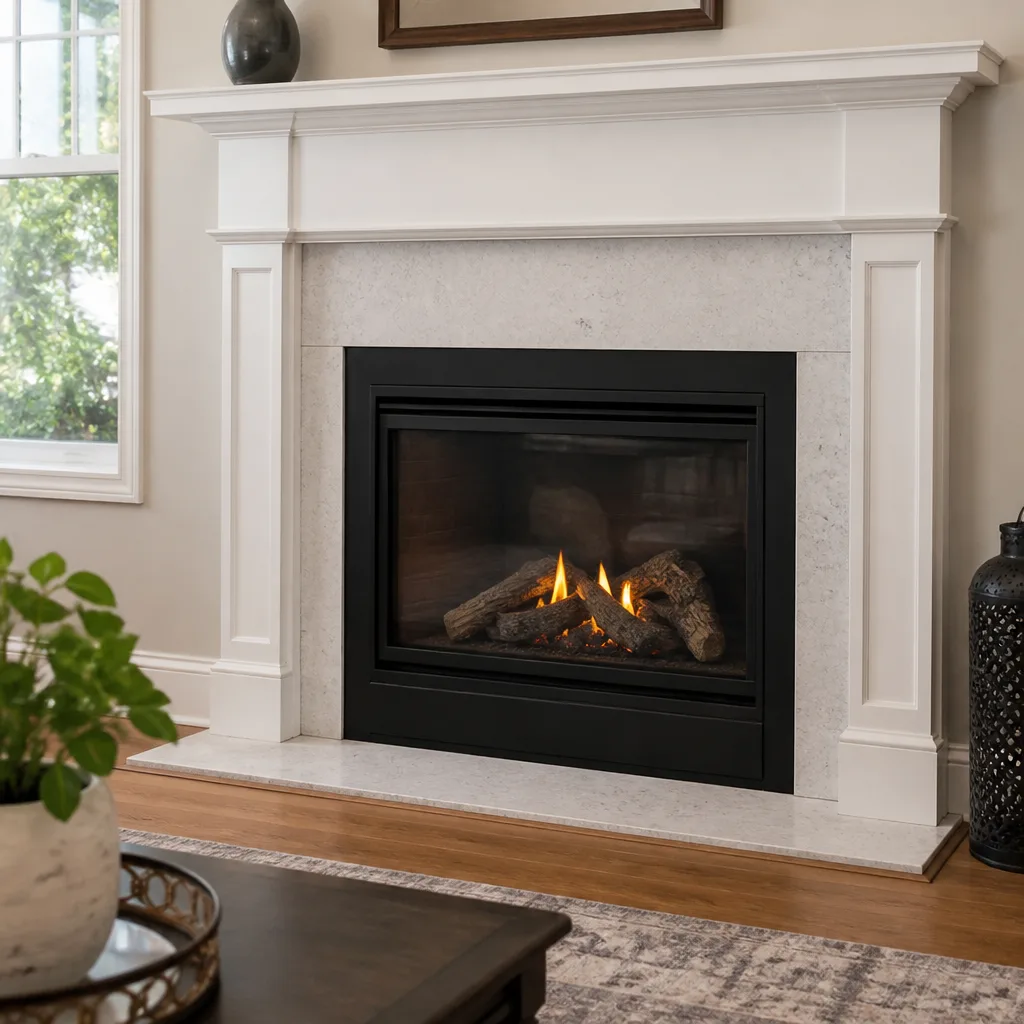 Gas fireplace service
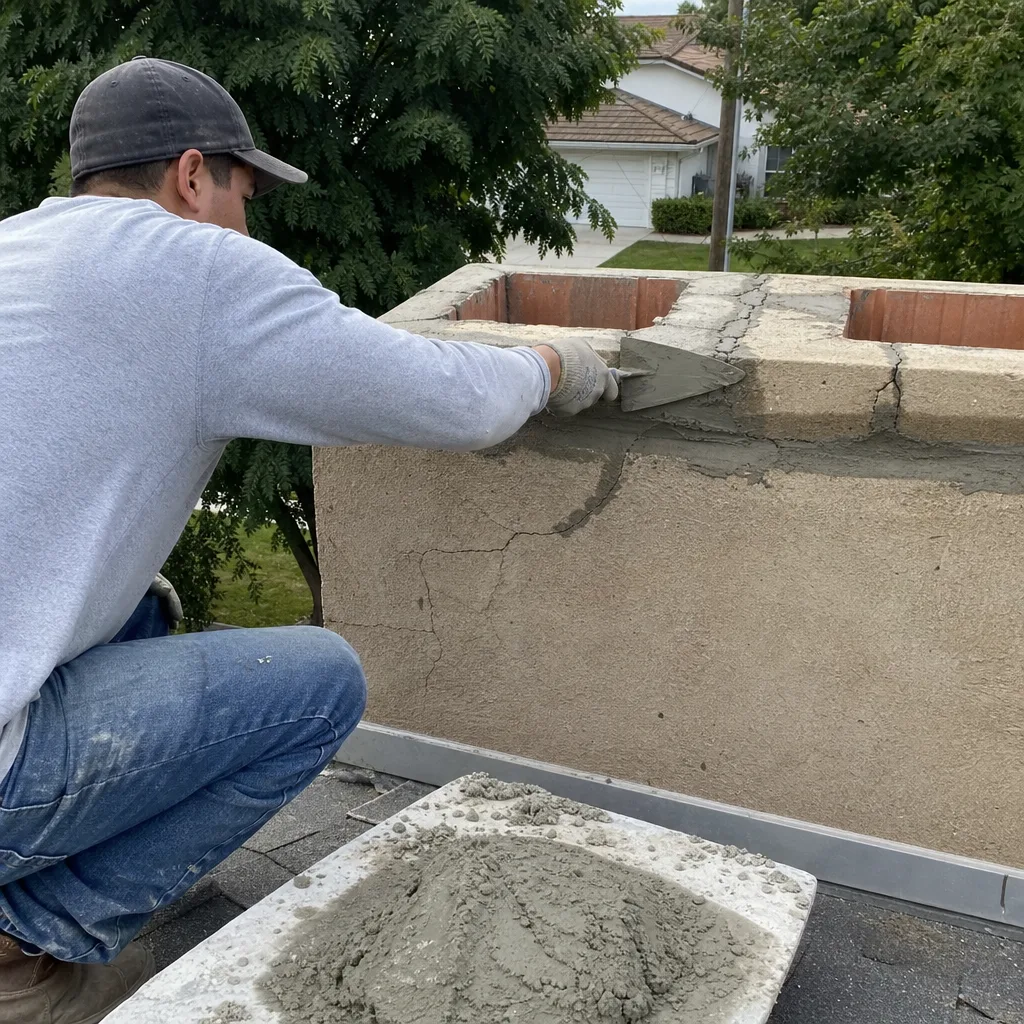
Level 1 sweep and inspection to the NFPA 211 annual standard - flue, crown, cap, and flashing checked and photographed
Chimney sweep logs do not sweep chimneys. They loosen some creosote - which then falls where a brush and vacuum still have to collect it.
Choosing the Right Chimney Cleaning Brand: A Buyer’s Guide for Valencia
Two contractors can quote the same price for a chimney cleaning in Valencia and produce wildly different results. One arrives with commercial-grade rotary brushes, runs a camera through the flue, and documents every inch with photos. The other pushes a hardware-store rod up your chimney, glances at the firebox, and hands you a bill. The difference isn’t talent or effort. It’s the materials. The brushes, rods, sealants, cameras, and liner systems a contractor chooses tell you more about the quality of their work than any advertising slogan. This guide explains which professional-grade supply brands set the standard in chimney work, why brand choice actually matters for your home’s safety, and what to ask before anyone puts a brush in your flue. By the time you finish reading, you’ll know more about the products behind a proper chimney cleaning than most homeowners in Valencia ever learn.
Quick Answer
The right chimney cleaning brand isn’t a single name, it’s a set of professional-grade product brands your contractor should be willing to name. Look for a Valencia contractor who uses commercial-grade rotary brushes, UL-listed flexible liner systems like DuraFlex, and branded repair products from companies like Olympia Chimney or Famco. If a chimney sweep can’t tell you what products they use, or if the only brands they mention are from a big-box hardware aisle, that’s the signal to call someone else.
Styles & brands we work with
- Sweep & inspection
- Caps & crowns
- Flue relining
- Masonry repair
- Gas fireplace service
Table of Contents
- Why Brand Choice Matters More Than Technique
- Brush Brands: The First Thing You Can Check
- Liner Systems: When the Flue Needs Real Repair
- Sealants and Crown Coats: The Products Most Contractors Cheap Out On
- Inspection Cameras: Non-Negotiable in 2026
- What to Ask a Contractor About Their Materials
- What UL Listed and CSIA Approved Actually Mean
- Why Valencia’s Climate Changes the Product Conversation
Why Brand Choice Matters More Than Technique
Most homeowners assume a chimney cleaning is a chimney cleaning. You hire someone, they sweep, you’re done. That assumption works fine until you’re standing in front of a flue with damaged tiles, a rusted damper, or hairline cracks that only a camera catches. At that point, the products your contractor reaches for determine whether you pay for a proper repair or a patch job that fails in two years.
A chimney sweep in Valencia does not need a license to buy professional-grade supplies. Anyone can walk into a hardware store and purchase a basic brush. But no homeowner benefit exists in watching a contractor use consumer-grade rods that flex too much, brushes that shed bristles into the firebox, or unmarked sealant that breaks down under repeated heat cycles. Professional brands exist because they solve specific problems: rotary brushes that remove creosote without damaging clay tiles, liner systems that handle continuous high temperatures, sealants formulated for vertical masonry expansion.
In our work at Chimney Sweep Valencia, the first question we answer is always about the system’s current condition. The second is about what products will fix it. A homeowner who knows the difference between a big-box brush and a commercial rotary system can immediately tell whether a contractor takes the trade seriously. That knowledge protects the house, the fireplace, and the family using it.
Brush Brands: The First Thing You Can Check
The brush itself is the simplest piece of chimney equipment, and the easiest place for a contractor to cut corners. Rigid wire brushes work fine in some applications, but they can score and chip older clay tiles. Rotary brushes driven by a drill or dedicated power system clean more thoroughly while being gentler on the flue wall. The brand matters because not all rotary brush systems use the same grade of steel or the same attachment hardware.
Professional chimney technicians typically work with brush systems from suppliers that serve the trade, not the retail aisle. Companies like Copperfield and Olympia Chimney supply rod systems, rotary brush heads, and accessories designed to fit together precisely. The rods connect with machined fittings that don’t wobble or disconnect mid-flue. The brush heads are sized to actual chimney dimensions, not one-size-fits-most guesses.
Here’s what to ask a Valencia contractor about their brush setup:
- Do you use rigid rods or a rotary system, and which brand?
- Are your brushes sized to the flue’s actual dimensions or is it a universal head?
- What do you do if the brush can’t reach a section of the chimney, such as an offset or a smoke chamber?
A contractor who answers with specific product names and explains the sizing process is working at a professional level. A contractor who answers “we have brushes” or “it doesn’t matter” has told you everything you need to know. The brush is the cheapest piece of the job. If someone won’t invest there, they won’t invest in a proper liner or camera either.
Liner Systems: When the Flue Needs Real Repair
A chimney cleaning occasionally reveals problems that a brush cannot solve. Cracked clay tiles, gaps between tile sections, or severely deteriorated mortar joints mean the flue can no longer safely contain combustion gases. In that situation, the right product is a flexible stainless steel liner system, and the brand on that liner matters more than anything else in the repair.
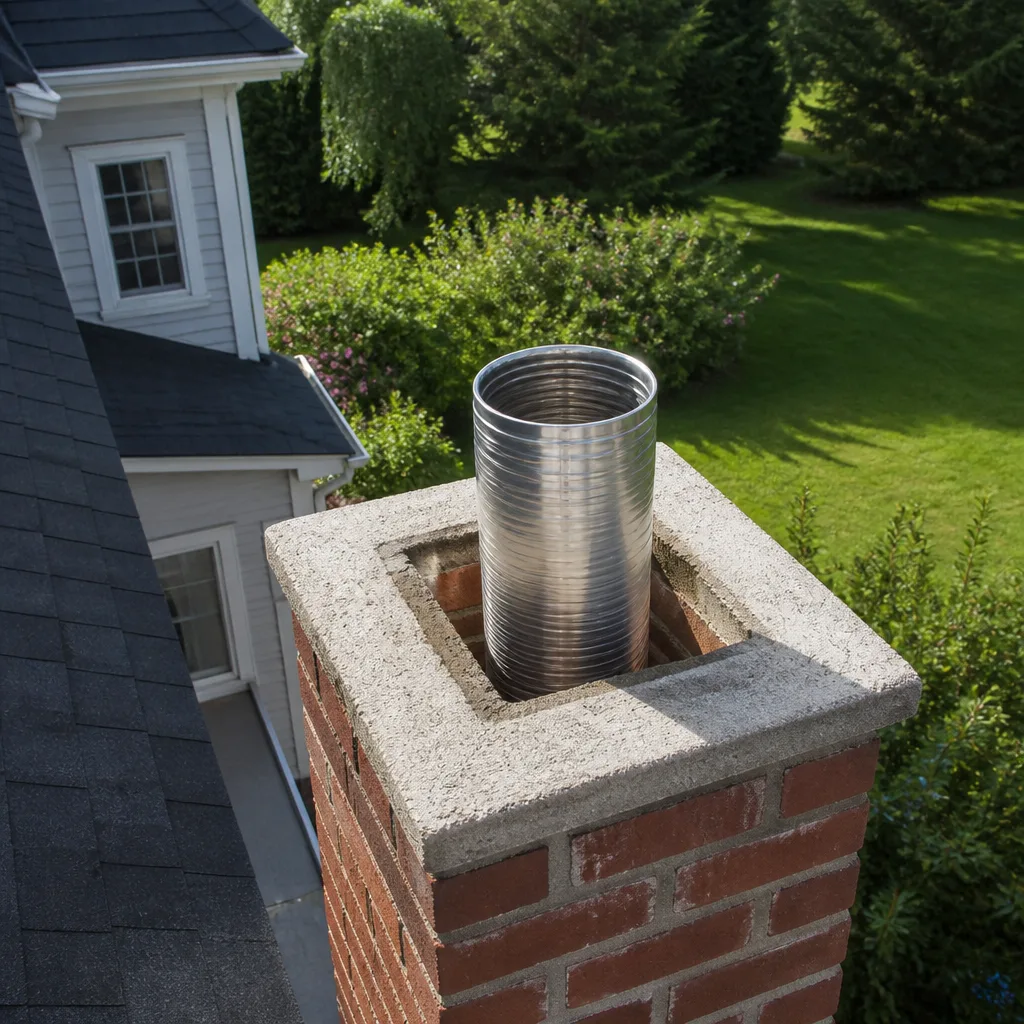
DuraFlex is a widely used flexible liner system in professional chimney repair. It’s built from stainless steel alloy designed to withstand the continuous high temperatures of a wood-burning fireplace or a gas insert. The system includes connectors, termination caps, and installation hardware that are engineered to work together. A contractor who installs DuraFlex liners is using a product with specific engineering tolerances, not a roll of generic flexible pipe.
We use DuraFlex liner systems because they allow full relining of a deteriorated chimney without tearing down masonry. That’s a structural-level service. Many chimney sweep companies in the area clean and inspect but do not offer relining, which leaves homeowners with one more contractor to find. When the company that finds the problem can also fix it, the repair happens faster and with fewer miscommunications.
Before authorizing any liner replacement in Valencia, ask if the liner is UL listed, what grade of stainless steel it uses, and whether the contractor will show you the label or documentation. A reputable contractor answers these questions without hesitation. A contractor who gets vague about the liner brand is not someone you want cutting into your chimney system.
Sealants and Crown Coats: The Products Most Contractors Cheap Out On
Chimney crowns are the concrete or mortar slabs that cap the top of a masonry chimney. They take direct sun, rain, and heat cycling every single day. In Valencia, the summers push surface temperatures on a crown well past what most hardware-store caulks are designed to handle. The crown develops hairline cracks, water enters the masonry, and the damage compounds year over year.
The difference between a professional chimney sealant and a generic tube of caulk is enormous. Professional crown coat products from manufacturers like Gelco are formulated specifically for chimney crowns. They’re made to flex with masonry movement, bond to concrete and clay, and stay effective through repeated heating and cooling cycles. Generic silicone or acrylic caulk does none of that. It peels, shrinks, and fails, usually within one or two seasons.
Famco and Olympia Chimney also supply professional-grade sealants, waterproofing treatments, and cap products that are built for chimney conditions rather than general home repair. A contractor who uses these products is signaling that they understand the actual thermal and moisture environment a chimney lives in. A contractor who shows up with a tube of generic sealant from the hardware store is signaling that they don’t.
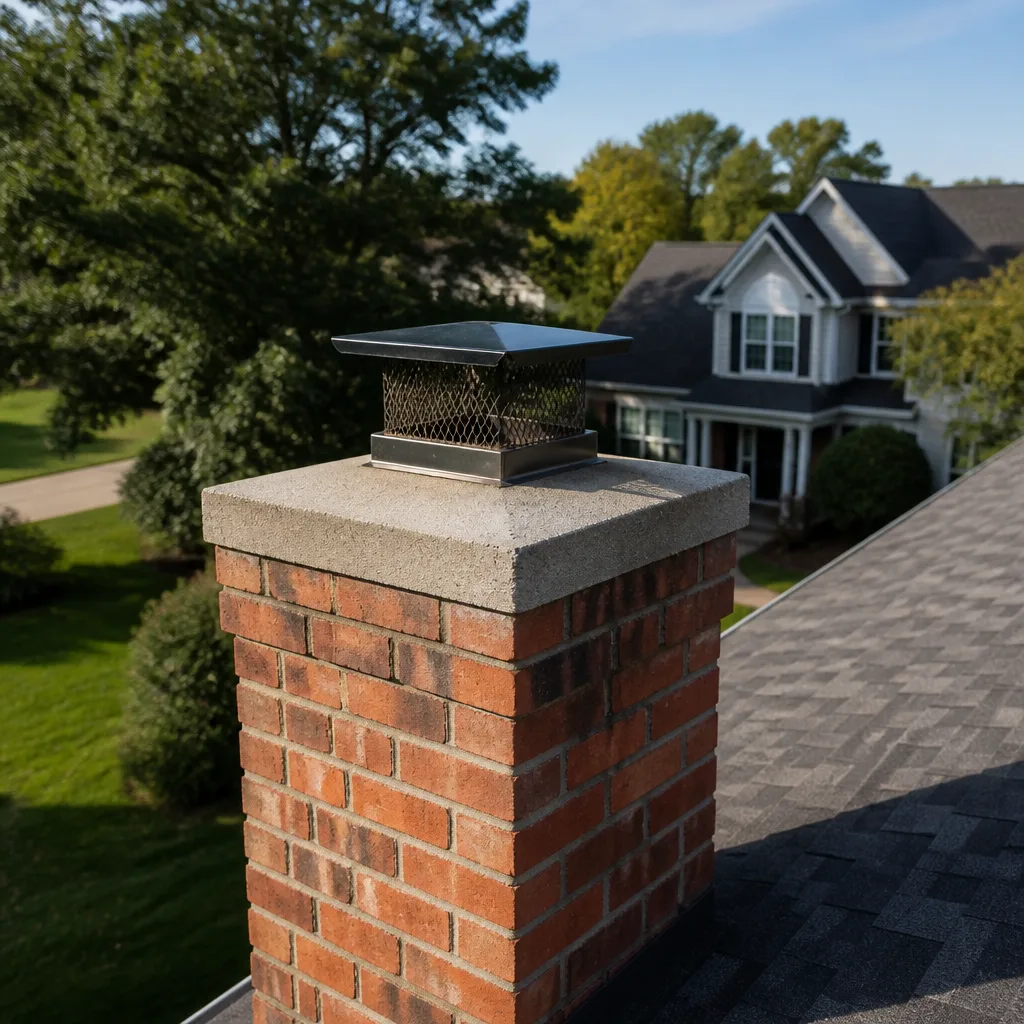
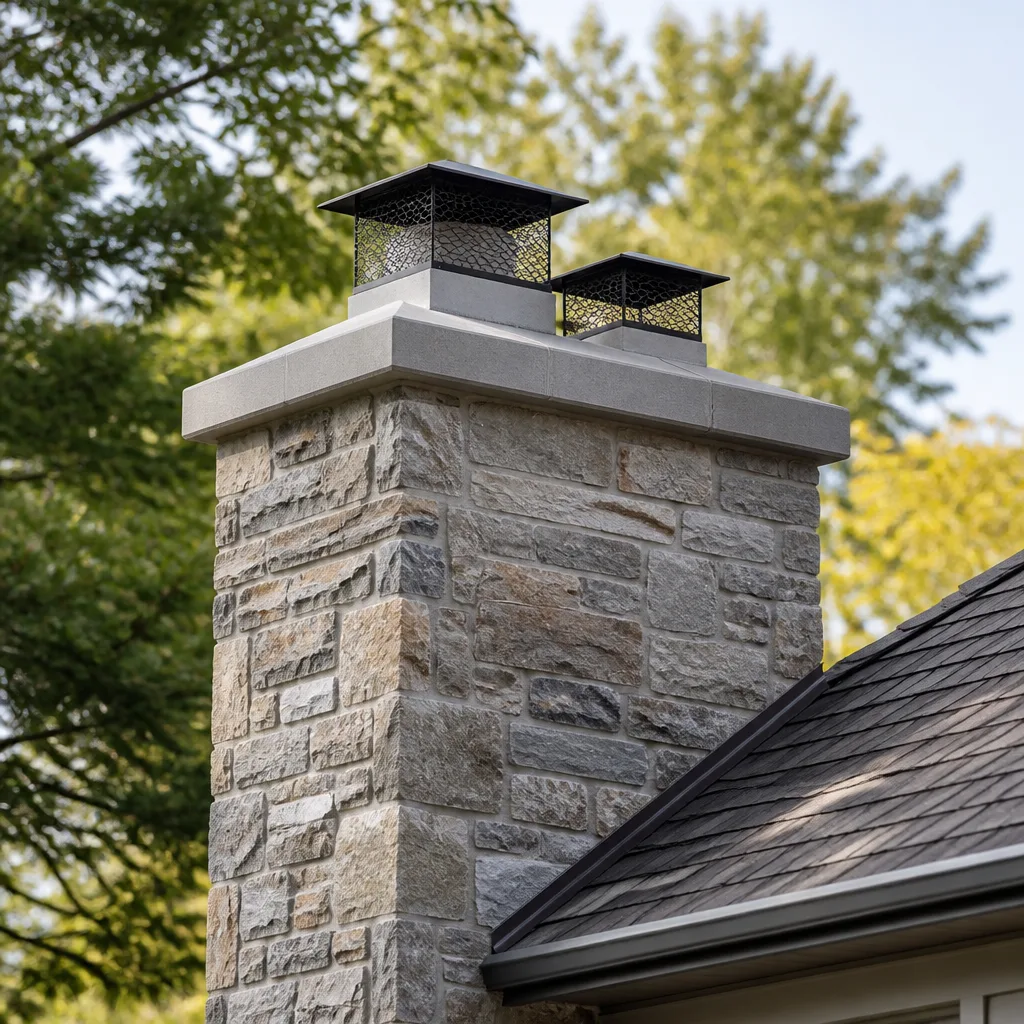
The same logic applies to chimney caps and dampers. Professional cap brands are sized to the flue, built from stainless steel or copper with proper screening, and fastened securely. The generic versions rust, blow off in Santa Ana wind events, and let rain into the flue. When you’re comparing chimney cleaning services in Valencia, ask what they use to repair a crown or replace a cap. The answer is more revealing than the price.
Inspection Cameras: Non-Negotiable in 2026
No responsible chimney company cleans a fireplace without first looking inside, and no modern professional looks inside with a flashlight and a prayer. Inspection cameras changed the chimney industry permanently. A proper camera system runs up the flue and records high-resolution video of every tile, joint, and smoke chamber surface. The contractor can show you exactly what the flue looks like, what’s wrong with it, and what doesn’t need fixing.
This matters in Valencia because of what hides in local chimneys. Creosote builds up in wood-burning fireplaces even with regular use, and gas inserts can corrode liners. A camera catches small cracks before they become gas leaks, and it catches creosote before it becomes a chimney fire. It also protects you from being told you need thousands of dollars of repair work you cannot verify. At Chimney Sweep Valencia, we don’t recommend any liner work, crown repair, or masonry restoration without camera evidence you can see with your own eyes.
When you call a contractor, ask if a camera inspection is included in the sweep. The correct answer is yes, always. If a company charges extra for a basic camera inspection or says it’s “only needed if there’s a problem,” find another company. You can’t know there’s a problem until you look. That’s the point of the camera.
What to Ask a Contractor About Their Materials
Most homeowners don’t want to interrogate a contractor, and you don’t need to. You just need to ask a few specific questions that reveal whether the company works at a professional level. Here’s a practical list, in the order that matters most:
- “What brush system do you use, and how do you size it to my flue?” Look for specific brand names like Olympia Chimney or Copperfield, and for a contractor who explains sizing rather than shrugging.
- “Do you include a camera inspection with the sweep?” The answer should be an automatic yes, not an upsell.
- “What liner brand do you install if the flue needs relining?” You want to hear a name like DuraFlex, not “stainless steel pipe” with no manufacturer attached.
- “What product do you use to repair a cracked crown?” The correct answer is a professional crown coat from a company like Gelco, not silicone caulk.
- “Can you show me the documentation on any liner or sealant you recommend?” UL listings and manufacturer specs should be available on request.
- “Do you handle dryer vent cleaning too?” This reveals whether the company thinks about your whole home’s venting safety or just the fireplace.
These questions take 90 seconds to ask. A professional contractor answers them comfortably and may even be glad you asked. A contractor who hedges, gets annoyed, or can’t name a single product brand has shown you what kind of job you’d get.
What UL Listed and CSIA Approved Actually Mean
UL Listed is not a marketing phrase. It means Underwriters Laboratories, an independent safety certification organization, has tested the product against specific safety standards and found it compliant. For chimney liners, a UL listing confirms the liner can handle the temperatures and conditions of a real fireplace without failing. For your home, a UL-listed liner means fewer questions about whether the repair is safe.
CSIA is the Chimney Safety Institute of America, the trade organization that certifies chimney sweeps through education and testing. Whether a specific product carries some kind of “CSIA approved” phrasing varies by manufacturer and category, but contractors who follow CSIA standards are expected to use products appropriate to the job. When a contractor names CSIA alongside their work practices, ask what specifically they follow from the CSIA standards and what documentation their liner or sealant carries.
Verification is simple. Ask to see the UL listing on any liner being installed. Ask for the manufacturer’s spec sheet on any sealant or crown coat. A professional contractor has these documents or can pull them up quickly. A contractor who says “trust me” without documentation has just asked you to accept risk without evidence. In Valencia, where fireplace use runs through the cooler months and many homes have gas inserts running regularly, you want evidence.
Why Valencia’s Climate Changes the Product Conversation
Valencia’s climate doesn’t punish chimneys with freeze-thaw cycles or heavy snow, but it does create its own set of conditions that affect which products work and which fail. Summer heat is relentless. A chimney crown in direct sun cycles through daily temperature swings that test sealant flexibility every single day from June through September. Products that work in coastal climates with moderate temperatures often break down faster in the Santa Clarita Valley’s heat.
Valencia also sees Santa Ana wind events that put real pressure on chimney caps, termination caps, and any loose masonry. Wind-driven rain can enter through a cracked crown or a missing cap and cause hidden damage inside the flue. A proper crown coat from a professional brand, combined with a properly fitted cap, is the difference between a chimney that sheds water and one that slowly degrades from the inside.
The local housing stock adds another consideration. Many homes in Valencia neighborhoods like Northbridge, West Creek, and Five Knolls were built in specific construction phases, and chimney designs vary by builder and era. Some have factory-built fireplace systems with specific liner requirements. Others are traditional masonry fireplaces. The right products depend on what’s behind your walls, which is another reason a camera inspection matters before anyone recommends a repair.
Dryer vent cleaning falls into the same climate conversation. Valencia’s dry, warm air doesn’t reduce the fire risk in a clogged dryer vent. It just means lint bakes harder and faster once it accumulates. The same homeowner who maintains a fireplace often overlooks the dryer vent, but the fire risk is real in both systems. We handle both because the safety mindset is identical.
Common Mistakes to Avoid
- Hiring on price alone. A cheap sweep often means consumer-grade equipment, no camera, and no real inspection. The low price becomes expensive when hidden damage goes unaddressed.
- Never asking about products. A contractor who names specific professional brands is demonstrating trade knowledge. A contractor who can’t is telling you something useful by omission.
- Accepting sealant as sealant. Generic caulk on a chimney crown fails quickly in Valencia’s summer heat. Professional crown coat products exist for a reason.
- Skipping the camera inspection. You cannot verify a repair recommendation you haven’t seen on video. A contractor who won’t show you the flue is not worth hiring.
- Hiring a cleaning-only company for a repair job. If the company can clean but not repair, you’ll call a second contractor and pay twice. One company that can inspect, diagnose, and fix is more efficient and more accountable.
- Ignoring the dryer vent. Homeowners who maintain their fireplace often forget the dryer vent until it’s clogged. The fire risk is just as real, and it’s one service call to address.
- Not checking the liner documentation. A liner is a safety component. Demand to see the UL listing before you authorize installation. No documentation, no job.
See the difference
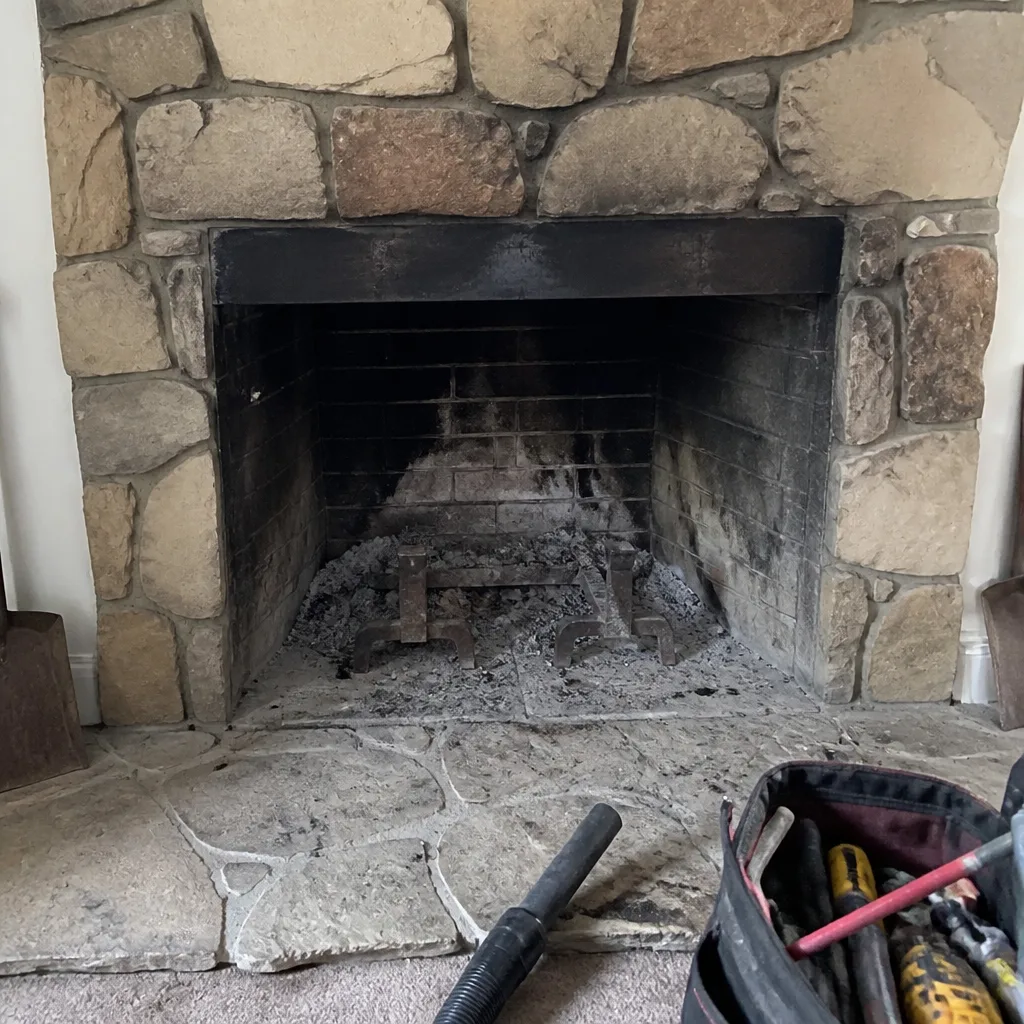 Before
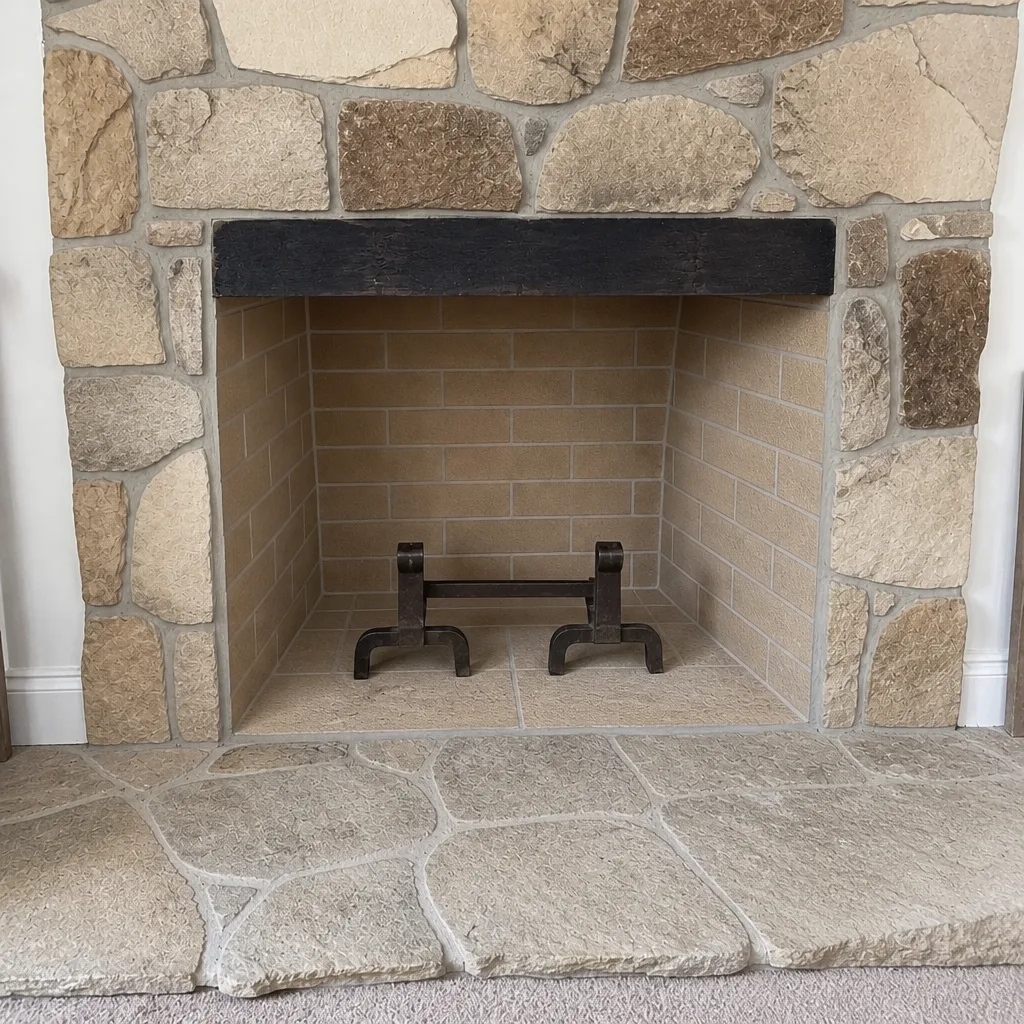 After
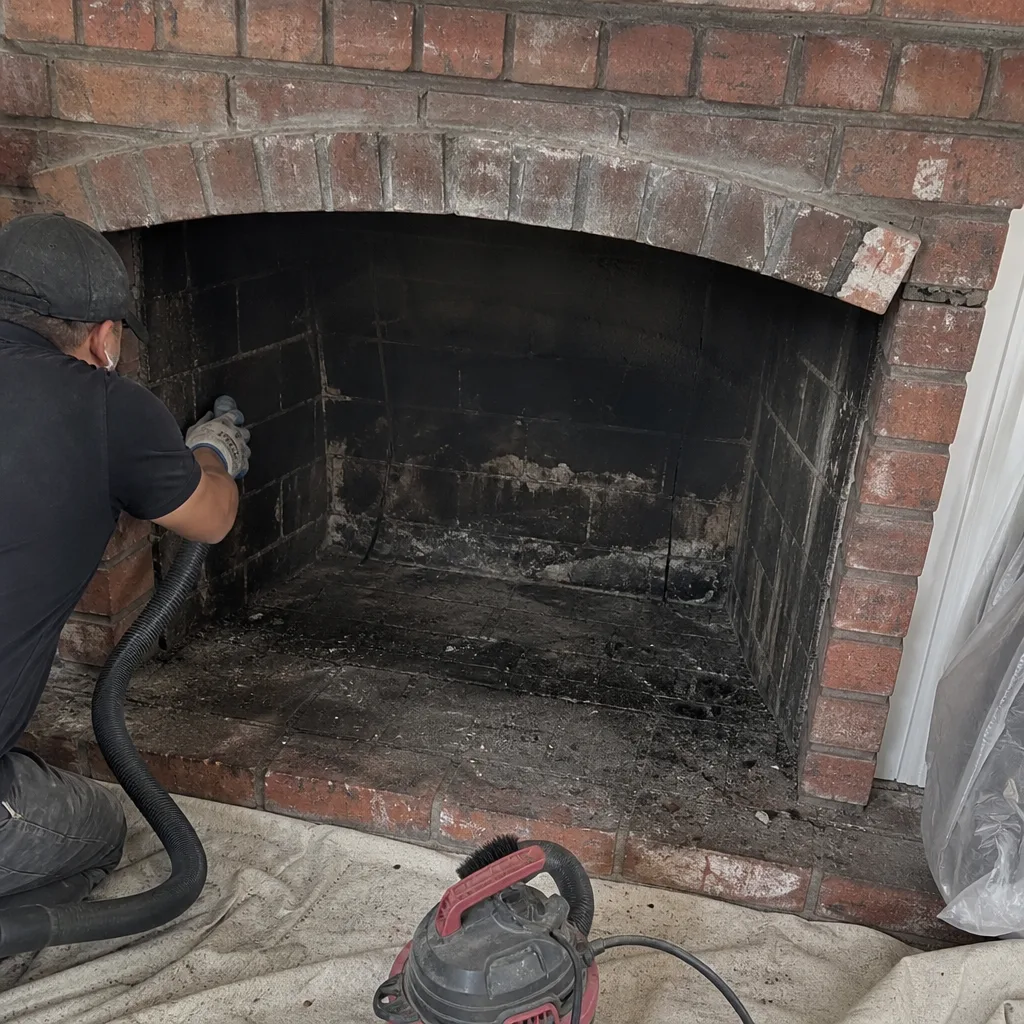 Before
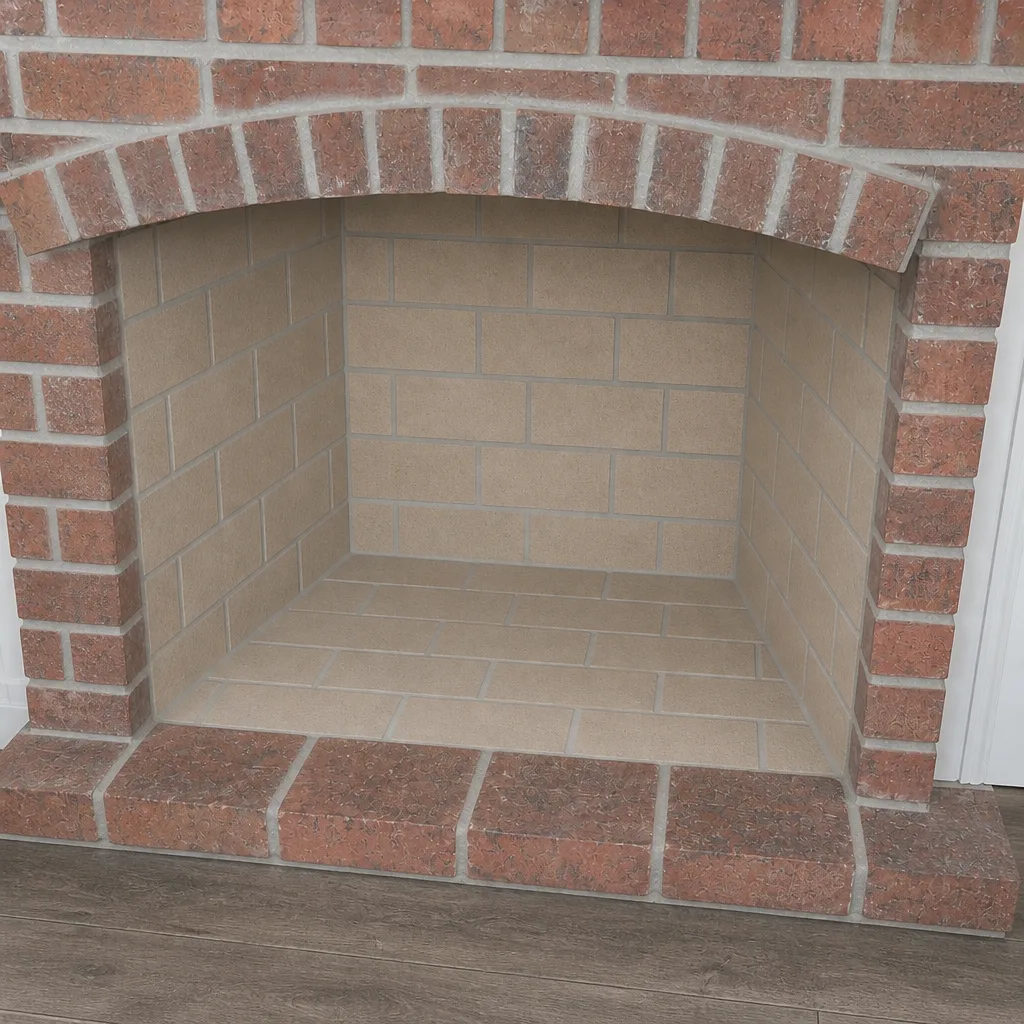 After
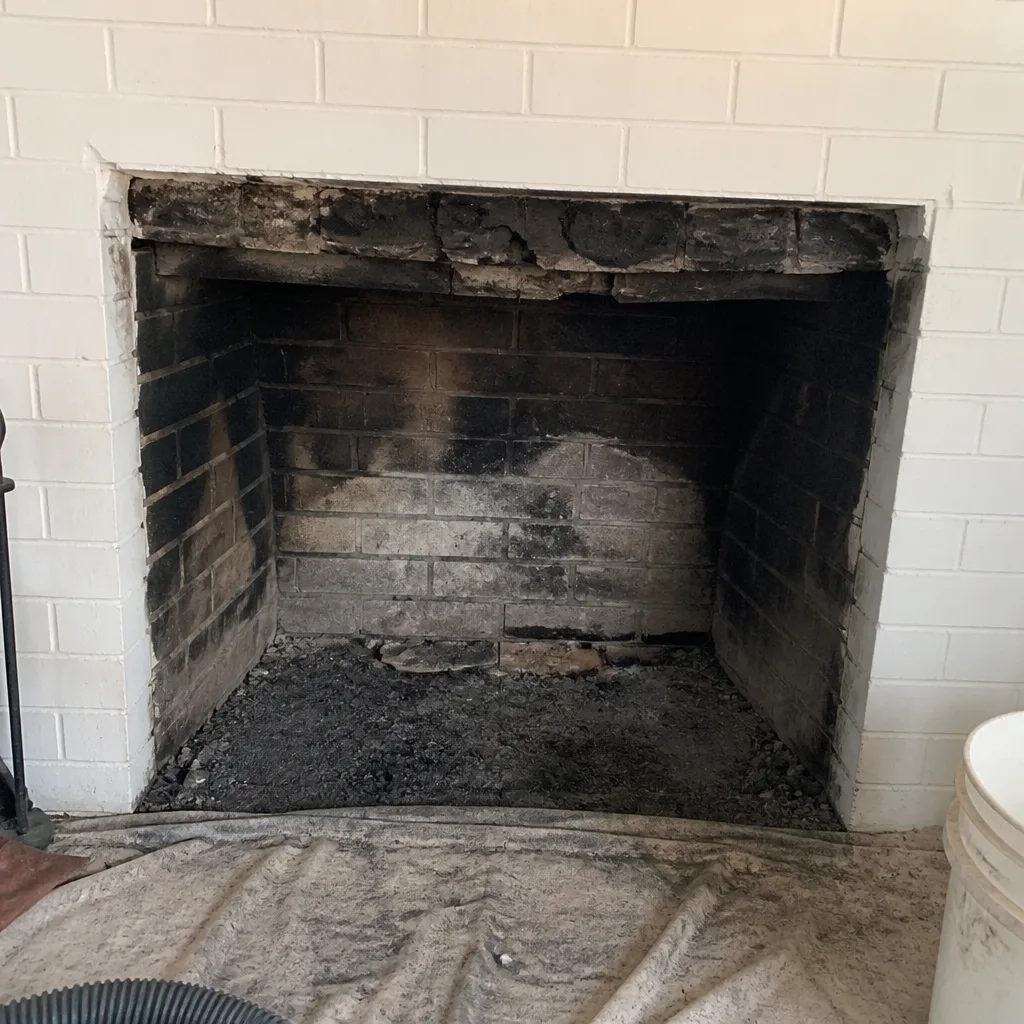 Before
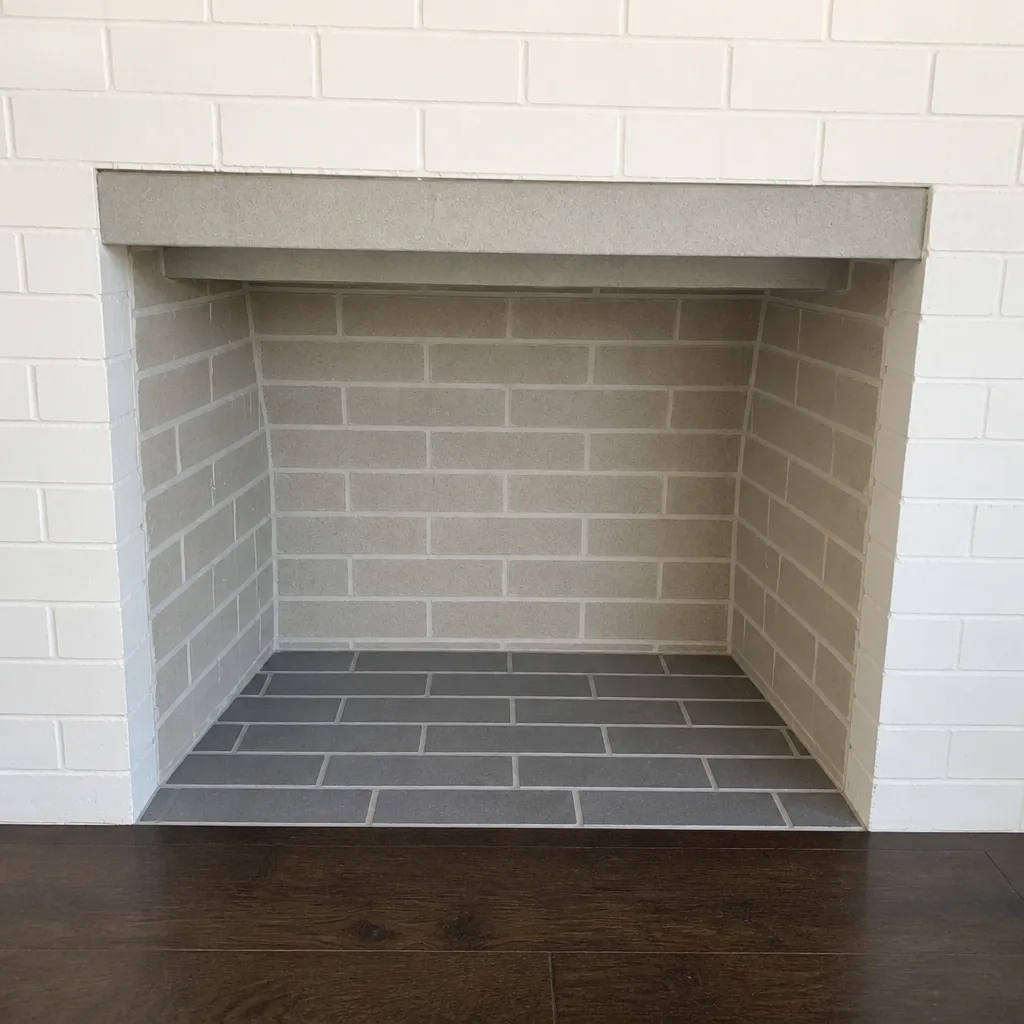 After
When to Call a Professional
Call a professional if you haven’t had your chimney inspected in the last year, if you’ve noticed a smell coming from the fireplace when it’s not in use, if you see visible staining on the ceiling or walls near the chimney, or if your dryer takes longer than 45 minutes to dry a normal load. These are not things to watch and wait on, because the damage behind them only gets worse. If you’re in Valencia and want a full inspection with camera documentation, Chimney Sweep Valencia offers free estimates. Call (866) 472-5217. We answer 24/7. Fast dispatch from 7am to 7pm, Sunday through Friday.
Frequently Asked Questions
A professional chimney sweep should use commercial-grade brush systems and repair products from established industry supply brands. Names like Olympia Chimney, Copperfield, Famco, and DuraFlex signal that the contractor buys from trade suppliers rather than retail hardware aisles. If a Valencia contractor can name their brush brand, liner system, and sealant products without hesitation, they’re likely working at a professional level.
The price of a chimney cleaning in Valencia varies by the type of fireplace, the flue’s condition, and whether a camera inspection is included. You should expect a written estimate before any work begins, and a free estimate is standard practice for professional companies. For an exact quote on your home, call (866) 472-5217. Estimates are free and come with a clear explanation of what the job includes.
A generic brush may not damage your flue, but it also won’t clean as thoroughly as a professional rotary system, and it can scratch older clay tiles. Generic sealant on a chimney crown is a real problem, because it fails quickly under Valencia’s summer heat and allows water into the masonry. Ask specifically what products the contractor uses for brushing and sealing. The answer tells you a lot.
A proper camera inspection shows exactly where the liner is damaged and how deep the damage goes. In some cases, a product like HeatShield can resurface the damaged tiles without a full liner replacement. In other cases, the only correct fix is a new flexible liner system like DuraFlex. The decision has to be based on video evidence you can see, not on a contractor’s verbal recommendation alone.
Every fireplace that gets regular use should be inspected annually, and swept when inspection shows creosote or soot buildup. Even gas inserts need annual inspection because their liners and connections can corrode over time. Valencia’s mild winters don’t eliminate the need for maintenance, they just spread it out over a longer season of regular use.
Dryer vent cleaning addresses a fire risk that’s separate from the chimney but just as serious. Lint accumulation in a dryer vent is a leading cause of residential fires, and a clogged vent also makes your dryer work harder and wear out faster. Many chimney companies don’t touch dryer vents, which leaves homeowners with a second company to find. We handle both because the safety approach is the same.
The Bottom Line
The brands your chimney contractor uses are not a detail. They’re the clearest signal of whether you’re getting a professional-grade job or a hardware-store approximation. Commercial rotary brushes, UL-listed flexible liners like DuraFlex, professional crown coats from manufacturers like Gelco, and a company that shows you camera evidence of everything they recommend, that combination is what a correct chimney service looks like in Valencia. Ask the questions before the brush goes in. If a contractor won’t name their products or show you their camera work, call someone else. If you want a full inspection with real documentation, call (866) 472-5217. We answer 24/7. Fast dispatch from 7am to 7pm, Sunday through Friday.
Written by the team at Chimney Sweep Valencia, serving Valencia since 2012.