
Last updated November 4, 2026
 Sweep & inspection
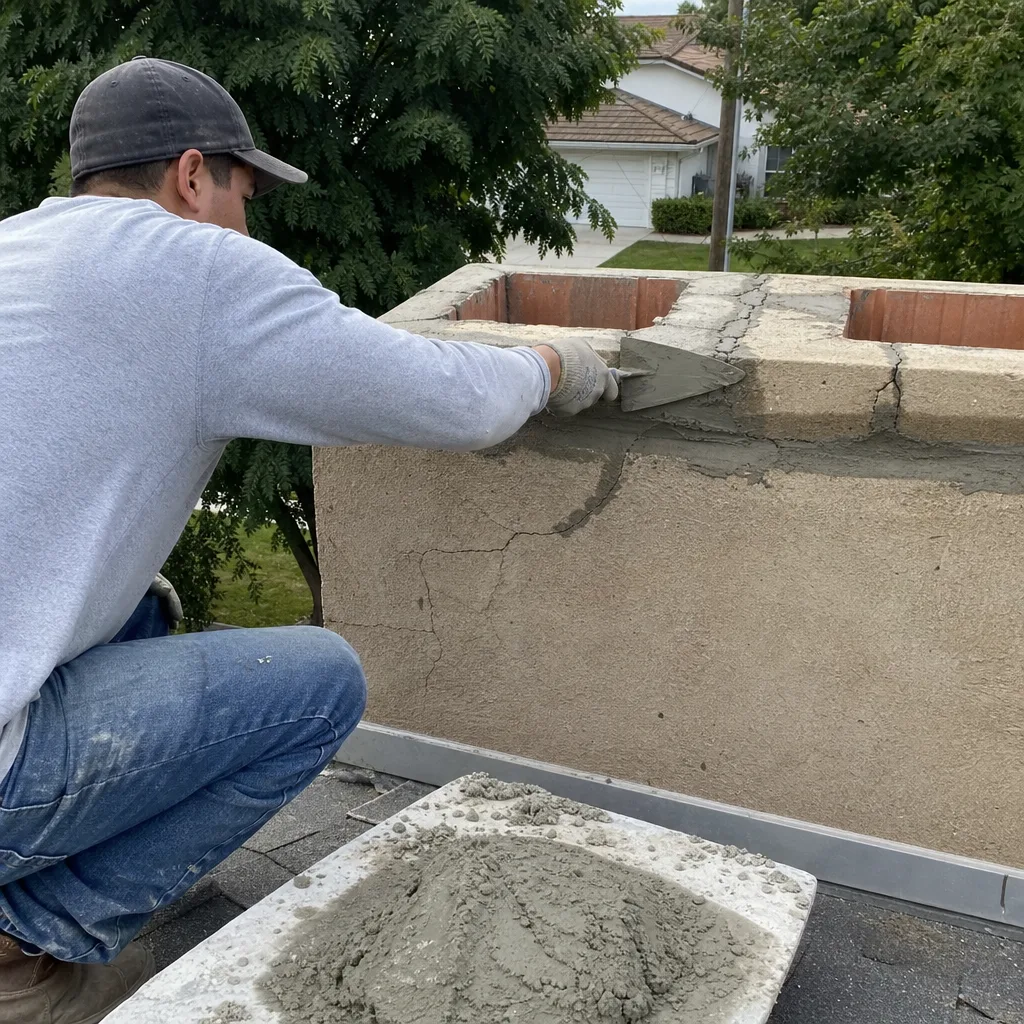
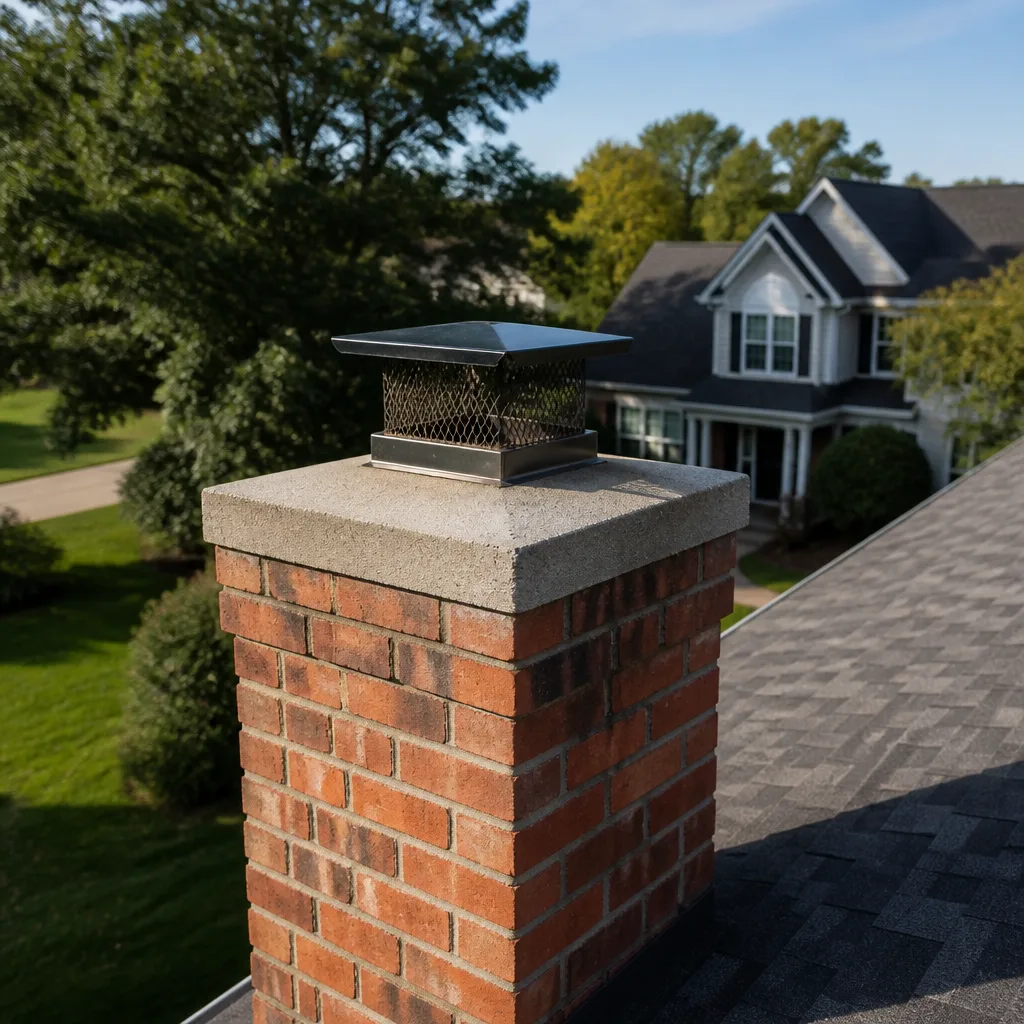
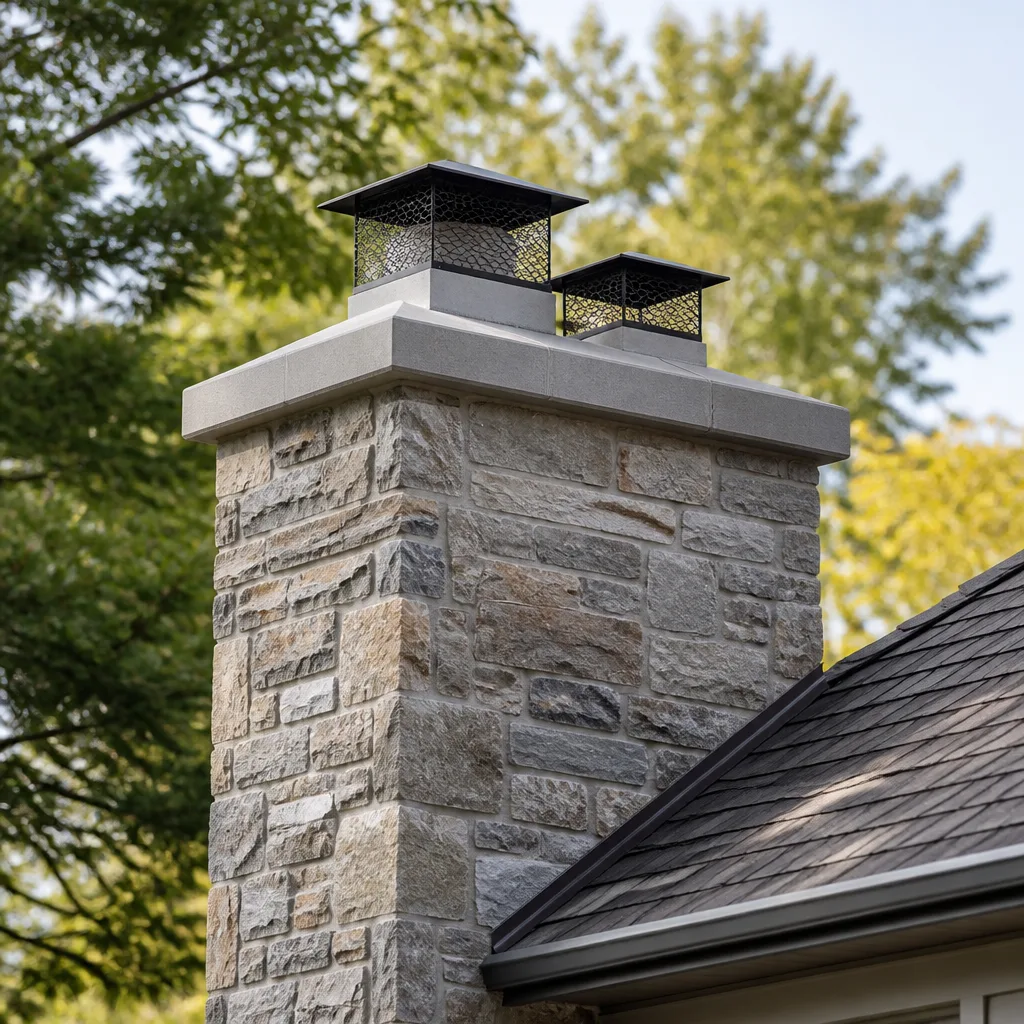 Caps & crowns
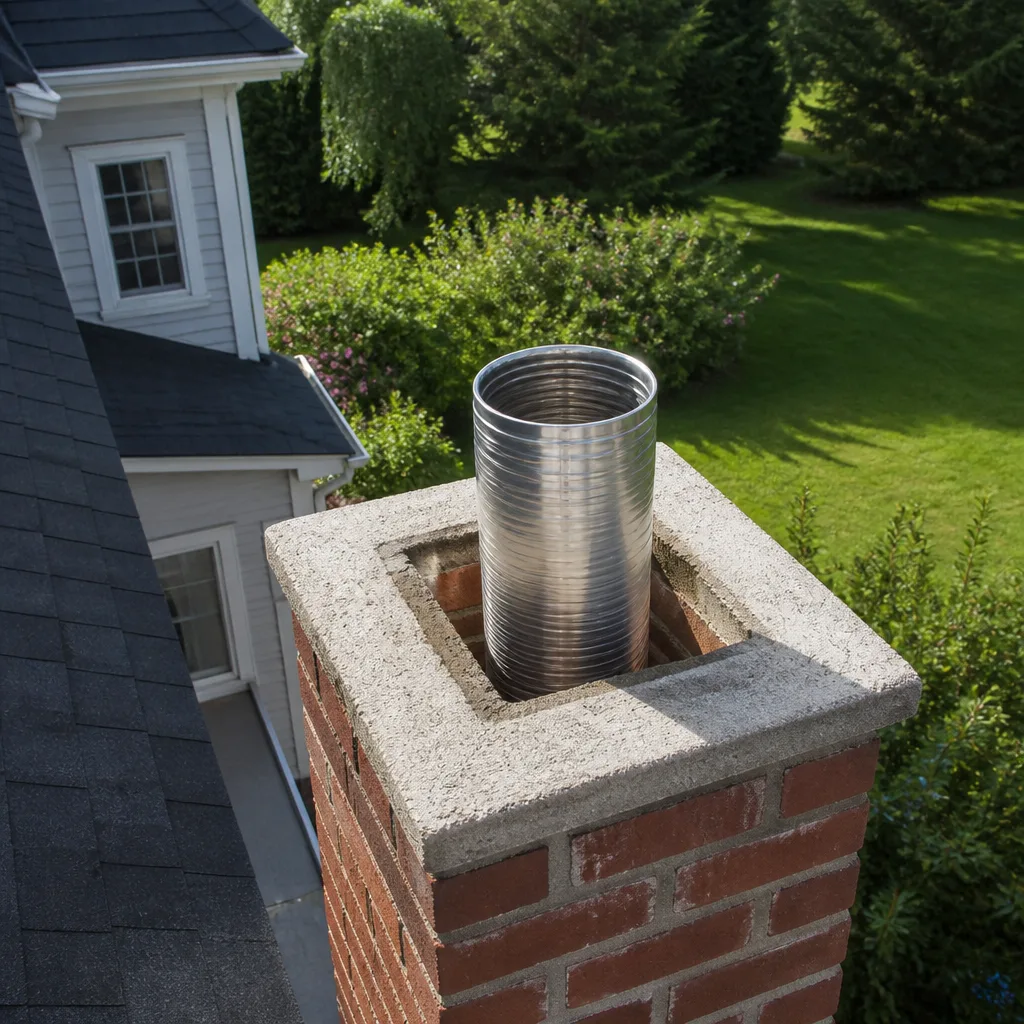 Flue relining
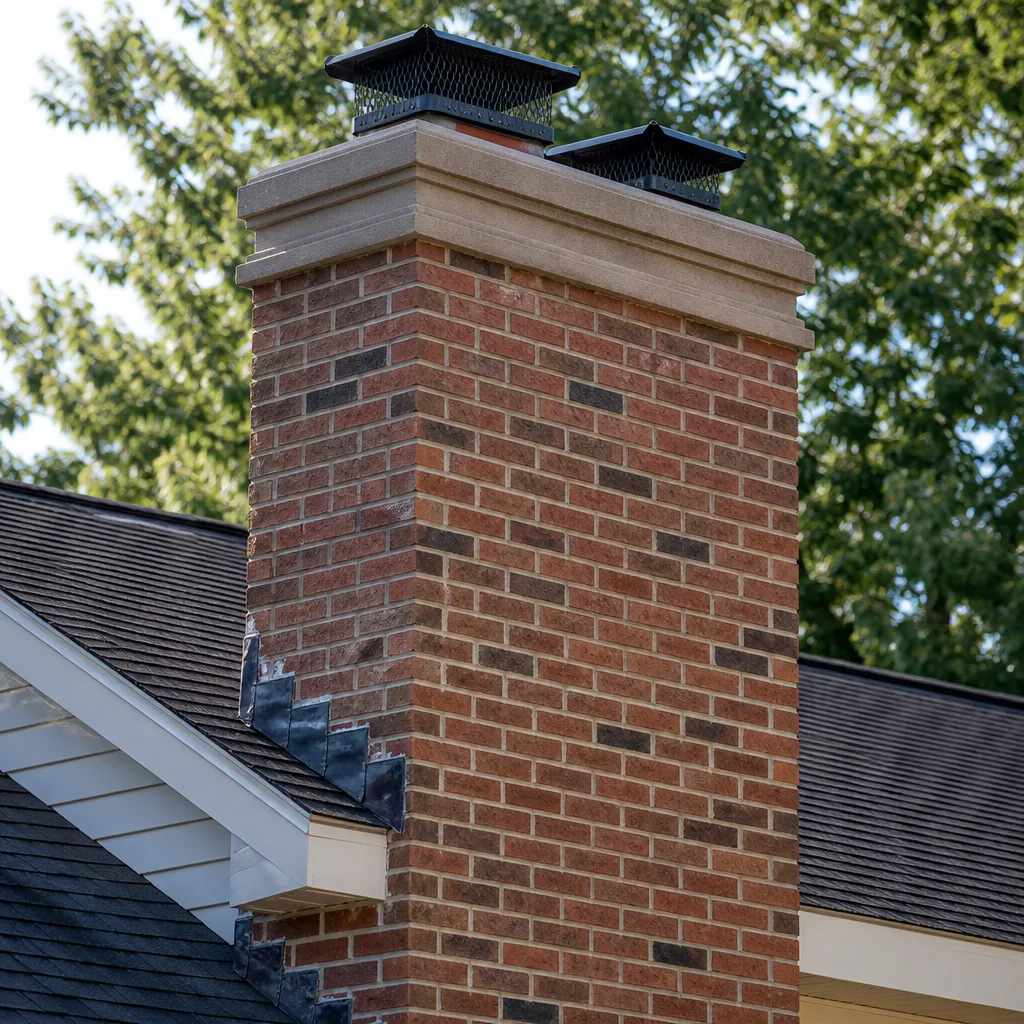 Masonry repair
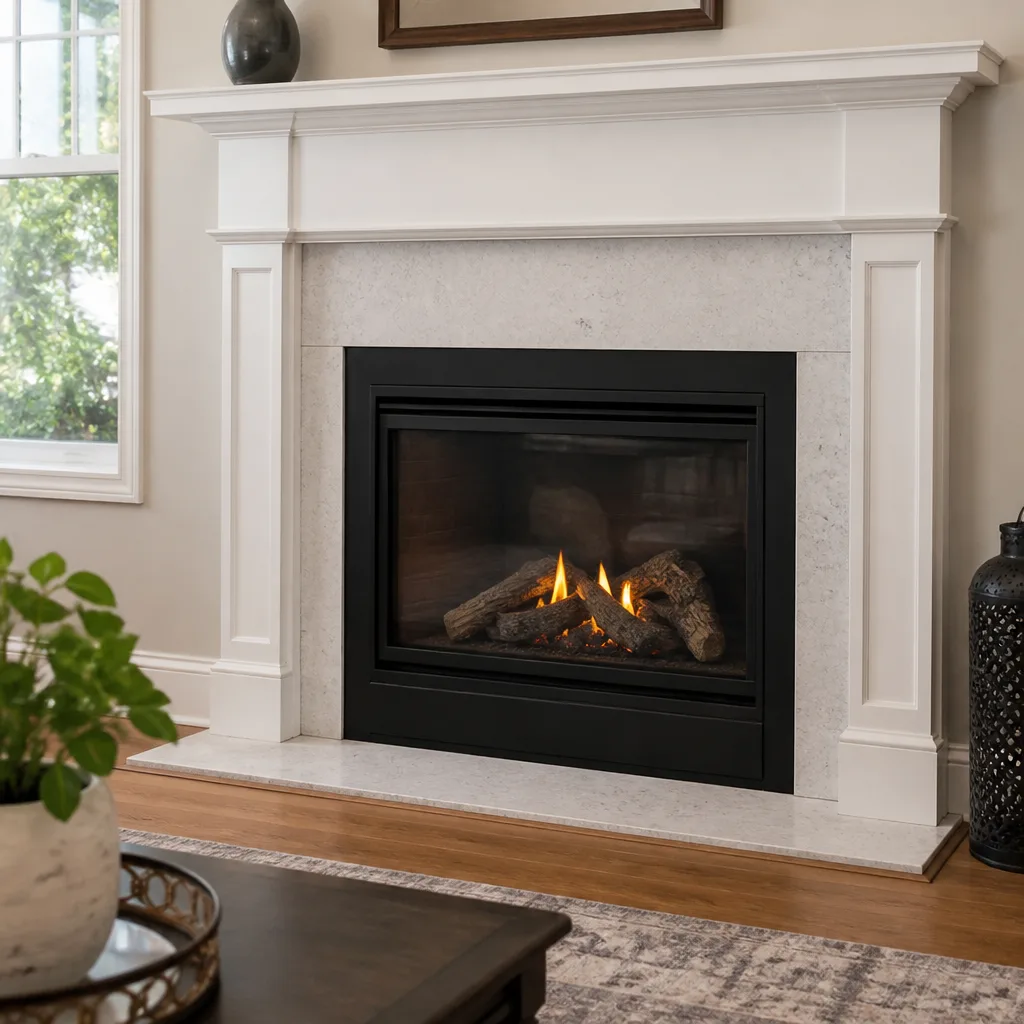 Gas fireplace service
Level 1 sweep and inspection to the NFPA 211 annual standard - flue, crown, cap, and flashing checked and photographed
Chimney sweep logs do not sweep chimneys. They loosen some creosote - which then falls where a brush and vacuum still have to collect it.
The Complete Guide to Chimney Cleaning in Valencia
Most Valencia homeowners don’t realize that low humidity accelerates creosote hardening, turning stage-one deposits into stage-three glaze faster than in coastal climates. That single fact changes how often your flue needs service, how aggressively it should be cleaned, and why a visual sweep alone is often not enough here. This guide explains exactly what happens inside your chimney between cleanings, how Valencia’s dry Santa Clarita Valley conditions make the job different, what a legitimate cleaning actually includes, and how to know whether you need a sweep, a repair, or both. We’ll cover wood types, inspection levels, costs, red flags, and the questions you should ask any company before they set foot in your home.
Quick Answer
Chimney cleaning in Valencia removes creosote, soot, and obstructions from your flue and smoke chamber, and is recommended at least once per burning season. Because Valencia’s low-humidity climate hardens creosote faster than wetter regions, many local fireplaces need a Level 1 camera-inspected sweep rather than a simple brush-out. A professional cleaning in Valencia should always include interior protection, a full flue brushing, smoke chamber work, and a visual or camera condition report.
Styles & brands we work with
- Sweep & inspection
- Caps & crowns
- Flue relining
- Masonry repair
- Gas fireplace service
Table of Contents
- Why Valencia’s Climate Changes Your Chimney
- What Actually Happens During a Chimney Cleaning
- How Often Should a Valencia Chimney Be Cleaned?
- Why Wood Type Matters: Eucalyptus, Pine, and Creosote
- Visual Sweep vs. Level 1 Inspection Sweep vs. Full Structural Cleaning
- What Does Chimney Cleaning Cost in Valencia?
- Red Flags: Cleaning Revealed a Repair Need
- When a Cleaning Alone Isn’t Enough
Why Valencia’s Climate Changes Your Chimney
Chimney problems in Valencia don’t look like chimney problems in Seattle or Boston. The Santa Clarita Valley sits inland, away from marine air. Winters are mild, which means fireplaces often get used for ambience rather than heat. But occasional cold snaps and evening fires are enough to build creosote, and here’s what most guides miss: when relative humidity stays low for long stretches, creosote doesn’t stay soft and brushable. It dries, shrinks, and hardens into a crust that bonds to the flue wall. Stage one becomes stage two, and stage two moves toward stage three glaze faster than it would in a humid climate.
High wind conditions during Santa Ana events don’t directly affect buildup, but they do affect how your chimney drafts. A chimney that draws weakly on a calm evening can behave very differently when canyon winds press against the house, pushing air down the flue and pulling smoke back into the living room. Our technicians see this regularly in Valencia neighborhoods across the SCV, from the older fireplace designs near the paseos to newer construction near the 126. Draft testing during a sweep is a standard part of what we do, because wind-driven backdrafting is a real and recurring issue here. If your chimney smokes only on windy days, the cause is rarely the wood. It’s geometry, height, or a partial blockage, and a proper sweep includes checking for all three.
One more local factor: seasonal use patterns. Many Valencia homes go months without a fire, then burn consistently from December through February. That pattern can actually be worse than steady use, since early-season fires on a dirty flue ignite whatever dried-out creosote is waiting. The first fire of the year is statistically your highest-risk fire if the chimney hasn’t been inspected. We recommend an inspection before the first burn, not halfway through the season.
What Actually Happens During a Chimney Cleaning
A real chimney cleaning is a process, not an event. It begins before any brush touches the flue and it ends with a documented condition report. Here is the full sequence, step by step, as we perform it on homes throughout Valencia.
- Interior protection setup. Drop cloths go down in front of the firebox and along the path to the front door. We use a full-height fireplace shroud when needed, and high-volume HEPA-filtered vacuums run continuously from the moment we start. Soot never gets a chance to leave the immediate work area.
- Visual pre-inspection. Before the brushing starts, we look at the firebox, damper, and accessible flue opening. We’re checking for obvious issues: missing mortar joints, cracked refractory panels, animal nesting material, or a damper that doesn’t seat fully. This tells us how aggressive we can safely be with the brush.
- Damper cleaning and check. The damper is cleaned and exercised. A damper that won’t open or close completely is a common source of drafts and smoke complaints, and it’s often fixable in a few minutes during the sweep.
- Flue brushing from top or bottom. We size the brush to your flue dimensions. An undersized brush polishes the high spots and does nothing. An oversized brush gets stuck and can damage the liner. We work the full length of the flue, overlapping strokes to dislodge creosote of all stages, including scale deposits where the flue has narrow, rough areas.
- Smoke chamber brushing. The smoke chamber, the inverted funnel above the firebox, collects as much creosote as the flue itself but is skipped by shortcuts. We brush it by hand through the firebox or via the damper opening, depending on the chimney design. This step matters for fire safety and draft quality.
- Video or digital camera inspection. Once the flue is clean, we run a camera through it to document the condition of the liner, mortar joints, and crown. You’ll see the footage. If you don’t see your own chimney from the inside, you haven’t received a full cleaning.
- Cleanup and report. We remove the shroud, pack out any debris, and walk you through what we found. You receive a written report with photos and clear recommendations if anything needs repair. If everything is healthy, we tell you that plainly.
Our team at Chimney Sweep Valencia performs this sequence on every cleaning, whether it’s a traditional masonry fireplace, a factory-built fireplace, or a gas insert with a vented flue. The process changes slightly depending on the system, but the standard never does: leave the fireplace cleaner than we found it and show you the condition it’s in.
How Often Should a Valencia Chimney Be Cleaned?
The standard national recommendation is once per year or once per cord of wood burned, whichever comes first. Valencia’s climate makes the once-per-year benchmark the smarter default, even for light users. Here’s the reasoning tied directly to our local conditions.
Low humidity hardens creosote between fires. If you burn one or two evenings a week from December through February, that’s enough heat-cycling to deposit creosote and enough dry air to harden it before the next cleaning. After one full season, we routinely find stage-two deposits on Valencia flues that would likely still be stage one in a damper climate. That matters because stage two is when the buildup becomes a fire risk that brushing alone cannot fully resolve. Waiting two or three years between cleanings here isn’t just a maintenance gap; it’s a gamble that the creosote has stayed removable.
Gas fireplaces and inserts burn differently. They produce little creosote, but they can still deposit water vapor residue and accumulate dust, pet hair, and debris. For gas systems, an annual inspection with occasional cleaning every two to three years is a sound rhythm. Homes with both a wood fireplace and a clothes dryer connected to a shared air envelope have another reason to stay current. We clean dryer vents as part of our service lineup, because the lint-buildup risk is similar in scale: a system that vents through heat and air movement needs periodic mechanical cleaning or it becomes a fire source. A house that burns regularly and runs multiple loads through a dryer every week has two systems worth checking annually.
If you’ve just moved into a home in Valencia, schedule a cleaning and inspection before your first use. You don’t know how the previous owner burned, what they burned, or when the flue was last touched. Two of the highest-risk chimneys we see are the ones that were used heavily and never cleaned, and the ones that were never used but had a bird or rodent take up residence in the flue. Both look fine from the hearth.
Why Wood Type Matters: Eucalyptus, Pine, and Creosote
What you burn determines what collects inside your flue. In the Santa Clarita Valley, homeowners often have access to eucalyptus, oak, and pine, either from local lots, word-of-mouth sellers, or trees removed from their own property. Each species deposits creosote differently, and understanding the differences will help you make better choices.
Pine and other softwoods ignite quickly and burn hot, but they’re resin-rich. Those resins produce fine, sticky particulate that adheres easily to flue walls, especially during the low-temperature startup phase of a fire. Pine is fine to burn when it’s properly seasoned, but it’ll leave more creosote per cord than a dense hardwood burned the same way. In Valencia’s dry air, that creosote goes from sappy to brittle quickly, and brittle creosote is not easier to remove. It’s just more likely to crack and flake off in pieces that can lodge in the smoke chamber or behind the damper.
Eucalyptus is common here because it’s abundant and burns hot. It also has a high oil content. Eucalyptus sap and oils vaporize during combustion and re-condense on the flue wall as a dark, shiny film. That film hardens fast in our low-humidity climate, and once it’s glaze-stage, a standard brush pass won’t remove it. Eucalyptus can be a perfectly acceptable firewood, but it demands disciplined seasoning (one to two years, split small) and a clean flue. We see a higher concentration of glazed flues in Valencia homes that burned unseasoned eucalyptus than in homes that burned mixed oak.
Oak and other dense hardwoods leave the least creosote per cord when properly seasoned. They burn longer, steadier, and more completely. The tradeoff is time: oak can take two years to season in a dry climate if it’s not split. Burn it wet and you’ll create steam, which cools the flue gases, which accelerates creosote condensation. Dry wood burns cleaner regardless of species. A moisture meter is a sound investment for any fireplace user in the SCV, and it costs less than one cord of wood.
The practical takeaway is not to avoid eucalyptus or pine. It’s to know what you’re burning and clean on a schedule that reflects it. If your wood supply varies from year to year, an annual professional cleaning removes the question mark entirely.
Visual Sweep vs. Level 1 Inspection Sweep vs. Full Structural Cleaning
Not all chimney cleanings are the same, and the difference isn’t just price. It’s what gets inspected and what you learn about your system. Most Valencia homes with typical seasonal use need what we call a Level 1 inspection sweep. Here’s what each tier includes and who it’s for.
Visual brush sweep (lowest tier): a technician runs a brush through the flue, vacuums up the debris, and gives the firebox a quick look. There’s no camera work, no smoke chamber access, and no condition report. For a fireplace that was cleaned recently and used lightly, this can be adequate. For most homes, it’s incomplete. The visual sweep is the national standard for “cheap chimney cleaning,” and it’s also the type most likely to miss a cracked liner, a partially blocked flue, or a failing damper because the inspector never actually sees the inside of the flue.
Level 1 inspection sweep (what most Valencia homes need): this is a full cleaning plus a visual and, in our process, camera-documented assessment of accessible portions of the chimney. We’re checking the flue liner condition, mortar joints, smoke chamber, damper operation, and crown from the roofline. We’re also looking at clearance-to-combustibles at the roof, and whether the termination cap is intact and properly screened. You receive a written report with photos. This is what we perform on every chimney sweep we do in Valencia, regardless of the fireplace type. The camera doesn’t add much time, but it changes the conversation entirely. If we find a crack, you’ll see it.
Full structural cleaning (highest tier): reserved for flues with heavy glaze-stage creosote, animal intrusion, or prior fire damage. This is mechanical cleaning with rotary chain or wire systems, chemical glaze removers where appropriate, and a more extensive camera survey. It’s not indicated for every home, but when the buildup is severe, a standard brush is the wrong tool. We’ll tell you if we believe structural cleaning is warranted before we start, and we’ll show you the evidence.
Choose your provider based on what you’ll learn, not just what you’ll pay. A camera changes a chimney cleaning from a low-value chore into a legitimate checkup on a system that could be a fire source. That’s the standard we hold in Valencia, and it’s the standard you should demand from any company that steps onto your property.
What Does Chimney Cleaning Cost in Valencia?
Chimney cleaning costs in Valencia typically run from $180 to $400 for a standard Level 1 sweep on an open masonry fireplace, depending on flue height, accessibility, and condition. Roof access, taller chimneys, and heavier creosote stages move the price toward the upper end. Here’s how that breaks down.
- Standard fireplace sweep (Level 1, common in Valencia): $180 to $300
- Heavy buildup or stage-two removal: $250 to $400
- Glaze-stage or rotary rod cleaning: $400 to $800, depending on flue length
- Gas fireplace inspection and cleaning: $150 to $250
- Dryer vent cleaning as an added service: $90 to $200
Those ranges are estimates; any written quote will reflect your chimney’s specific condition. The estimate is always free, and no work happens without your approval of the written scope. If a company gives you a flat “chimney cleaning price” without asking about your fireplace type, chimney height, or last cleaning, treat that number as stale before the truck arrives.
We can’t stress this next point enough: price is set per job, not per marketing package. A $79 sweep that turns into a $900 “mandatory” liner replacement after the technician’s foot touches the roof is a classic bait-and-switch pattern. We don’t do pressure repair recommendations. If we find something, we document it with camera footage, explain what’s needed and what can wait, and leave the decision to you. Call (866) 472-5217 for a free, no-pressure estimate in Valencia.
Red Flags: Cleaning Revealed a Repair Need
A good cleaning ends with a clear report. Sometimes that report says the flue is clean and safe. Other times it flags problems that need attention. Recognizing the difference between a legitimate repair need and an upsell attempt will save you thousands. Here are the legitimate red flags we look for, and what they mean.
- Camera footage shows a cracked flue tile or separated mortar joint. This is a fire-safety issue because it places heat closer to combustible framing. It’s also not fixable with a brush. In many cases, HeatShield resurfacing can restore the flue by coating the interior with a refractory ceramic composite, avoiding a full rebuild. We perform this restoration in-house, which means the repair recommendation is backed by a procedure we can complete.
- White, chalky deposits (water staining) inside the flue. That indicates moisture entry from a failing crown, cracked mortar, or missing rain cap. Water damage compounds fast, softening the masonry and worsening cracks. The repair is common: a new crown, treated flashings, or a proper cap. Left unaddressed, it becomes a structural problem rather than a maintenance one.
- Nesting material or animal debris. Birds, squirrels, and raccoons use chimneys as nesting spots in Valencia. Nesting blocks the flue and catches fire. Removal of nesting is part of cleaning; keeping animals out permanently requires a properly sized cap with wildlife screening. If you clean but don’t cap, they’ll be back next spring.
- Damper is warped, rusted, or missing. A bad damper costs you heat in winter, smokes on startup, and is often an easy replacement. During a sweep, we test it. During the report, we note what it would take to make it right.
- Stage-three glaze present. This is creosote that has baked into a slick, shiny coating. A normal brush cannot remove it safely or fully. Mechanical removal or chemical treatment is required, and glaze is what we mean by “structural cleaning” above. Glaze isn’t “dirty” – it’s an altered surface.
The common thread: genuine red flags come with evidence. We show you camera footage and photos. If a company claims your flue is cracked but can’t show you the crack, call someone else.
When a Cleaning Alone Isn’t Enough
One of the reasons we built Chimney Sweep Valencia as a full-service chimney and venting company is that cleaning and repair are two halves of the same job. A sweep-only company finds a problem and hands you a list of contractors to call. A repair-capable company finds a problem, shows you the evidence, and gives you options on the spot. That changes the economics and the safety timeline.
Here’s a common Valencia scenario. We’re called for a fireplace that smokes when windy. The sweep finds moderate creosote, cleans it, and the camera shows a breach in the liner where mortar joints have failed. The homeowner could stop there. The fireplace is “clean.” But the liner breach remains, and with the next fire, heat in that void starts drying and charring the framing around the chimney. In that scenario, the cleaning exposed the problem, but the repair is what prevents the fire.
Our repair capabilities include DuraFlex flexible stainless steel liner systems for full relining, HeatShield ceramic resurfacing for flue restoration, and materials from Gelco, Olympia Chimney, and other professional-grade supply brands that specialists rely on. These aren’t consumer brand names, and that’s the point. They’re trade-level materials you won’t find at a home center. When a repair is recommended, you should know what products go into it, and you should be able to hold the company accountable to a standard higher than “we fixed it.”
And dryer vent cleaning follows the same principle. We clean the vent, and if the run is damaged, kinked, or not up to current fire code, we repair it. The point of having one company for cleaning and repair is continuity. The person who cleaned your chimney knows its condition. When a repair is needed, the context carries over, and you don’t have to start from scratch with a stranger. For homeowners in Valencia who take fire safety seriously, that continuity has real value. Call (866) 472-5217 and we’ll walk through what your system needs.
Common Mistakes to Avoid
- Skipping the smoke chamber during cleaning. The flue gets brushed and the firebox gets vacuumed, but the smoke chamber above the damper holds creosote like a trap. If your cleaning doesn’t include smoke chamber work, it’s incomplete.
- Burning unseasoned wood from local tree removal. Fresh eucalyptus or pine from a downed limb seems economical, but it steams the flue and doubles creosote deposition. Season it in small splits for a year or two before burning it indoors.
- Waiting for visible buildup before calling. If you can see thick black crust from the firebox, you’ve waited several cycles too long. Schedule by time and usage, not by appearance.
- Choosing the cheapest sweep without asking what’s included. Camera work, smoke chamber access, and a written report are what separate a real service from a brush rental with a truck.
- Cleaning a chimney that has unresolved water entry. If the crown is cracked and water has been getting in, cleaning makes the flue look better temporarily but the deterioration continues. Fix the water issue, then clean.
- Ignoring the dryer vent while focusing on the fireplace. Lint is a fire source just like creosote. Homes in Valencia with both systems should maintain both, and one visit can handle it.
See the difference
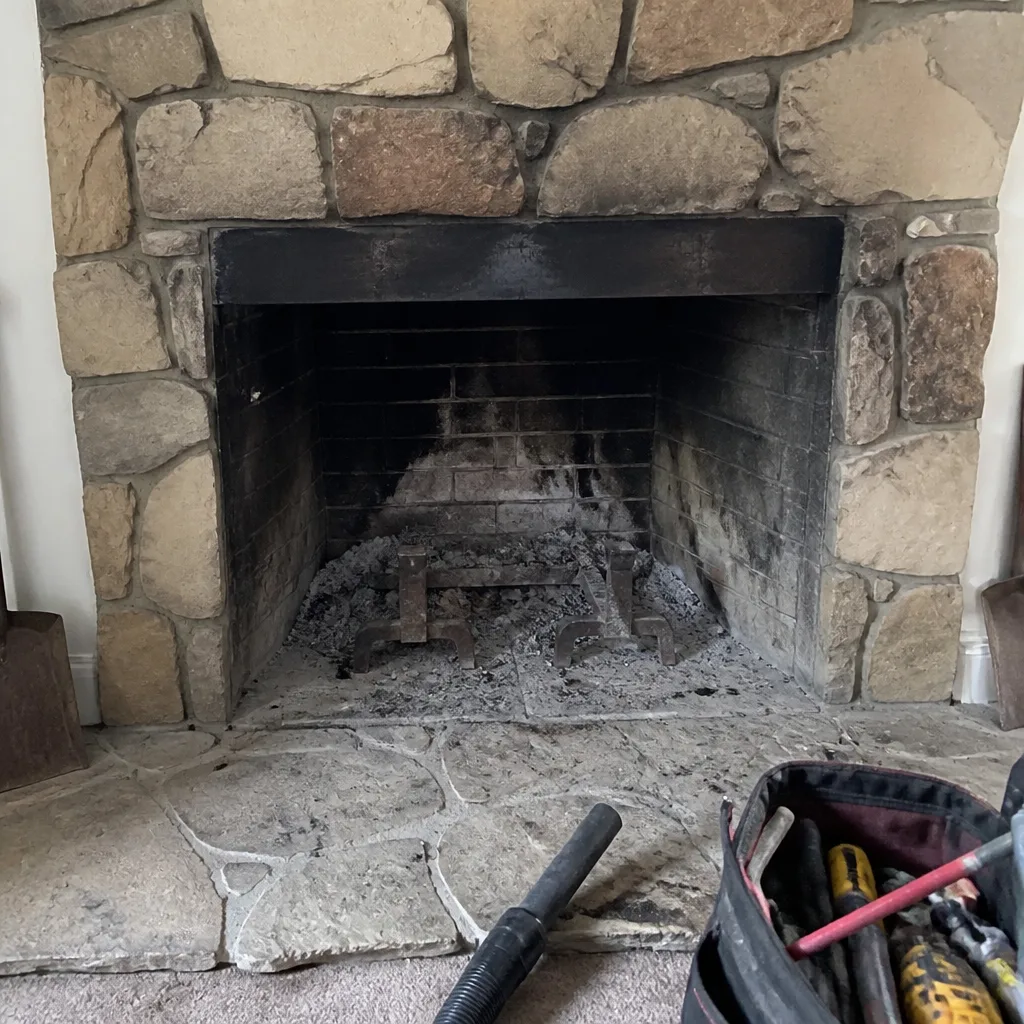 Before
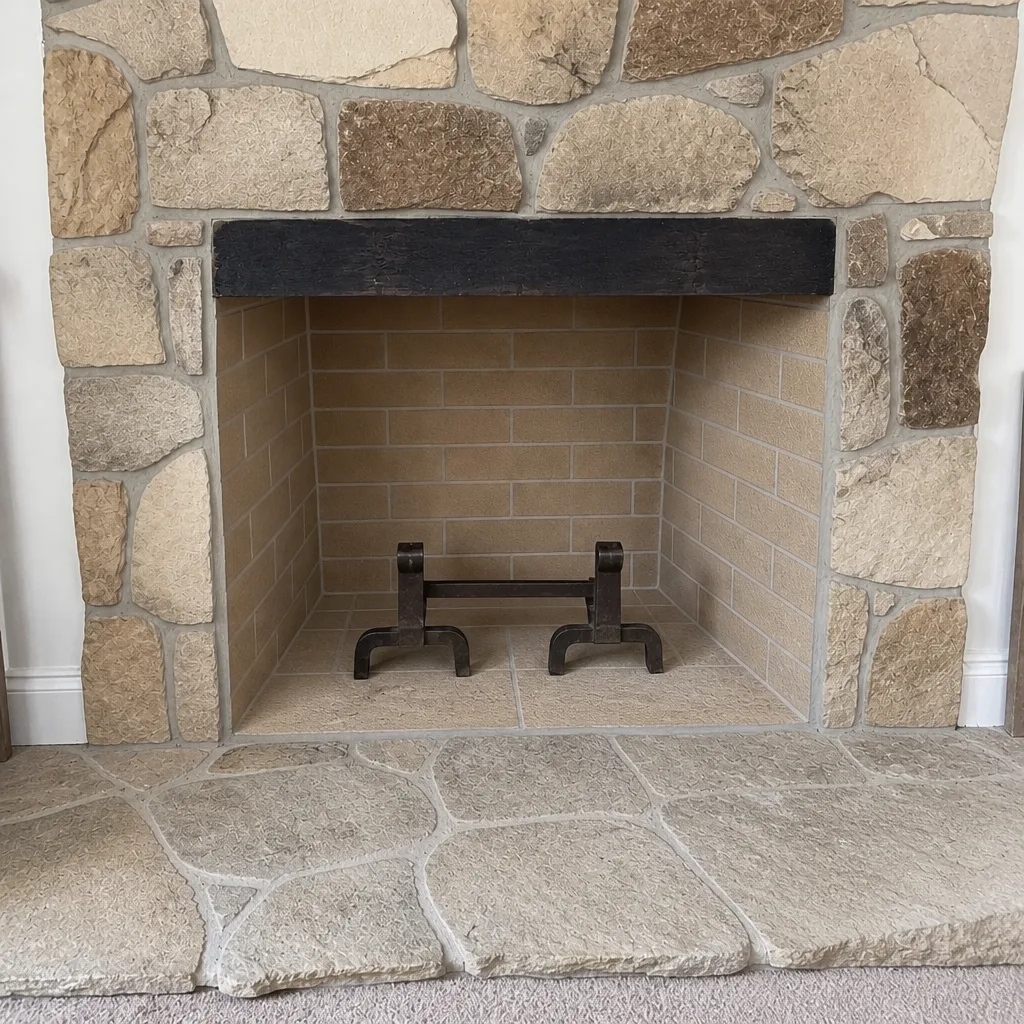 After
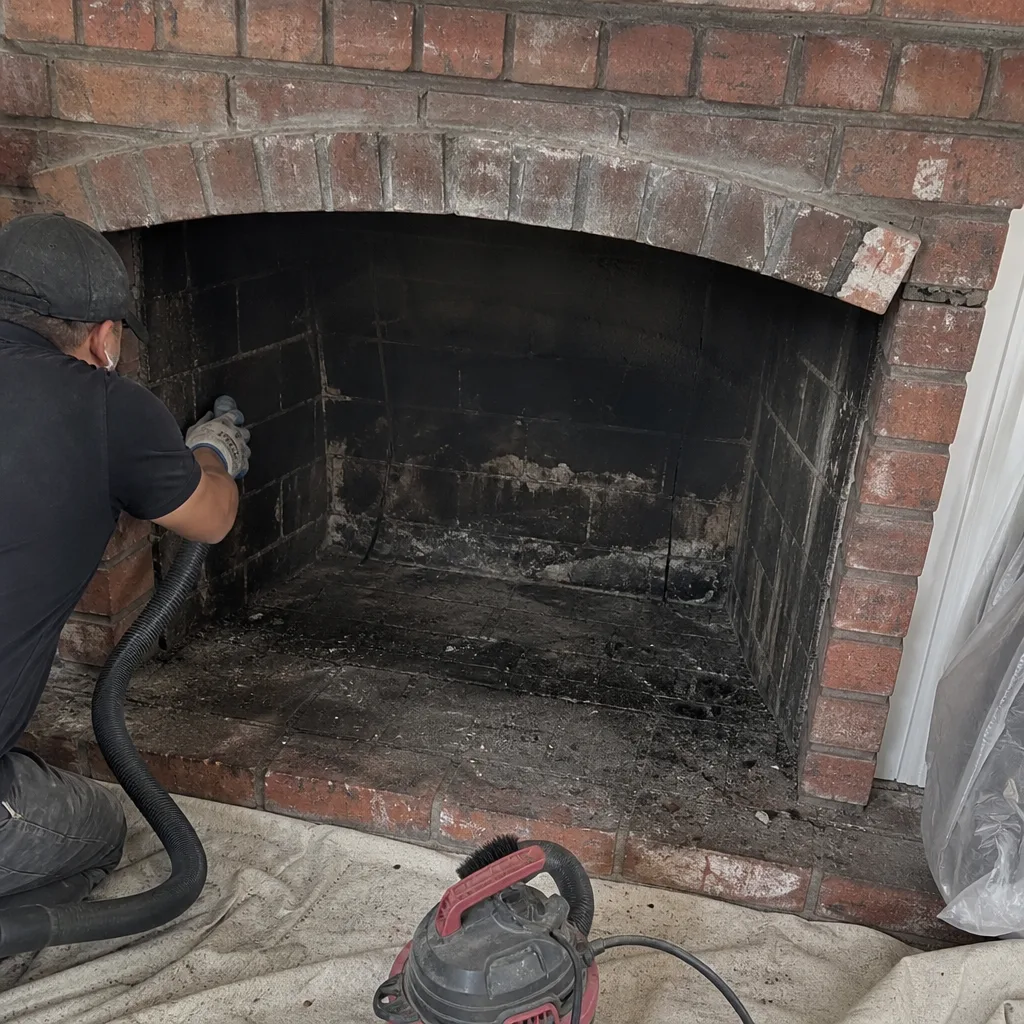 Before
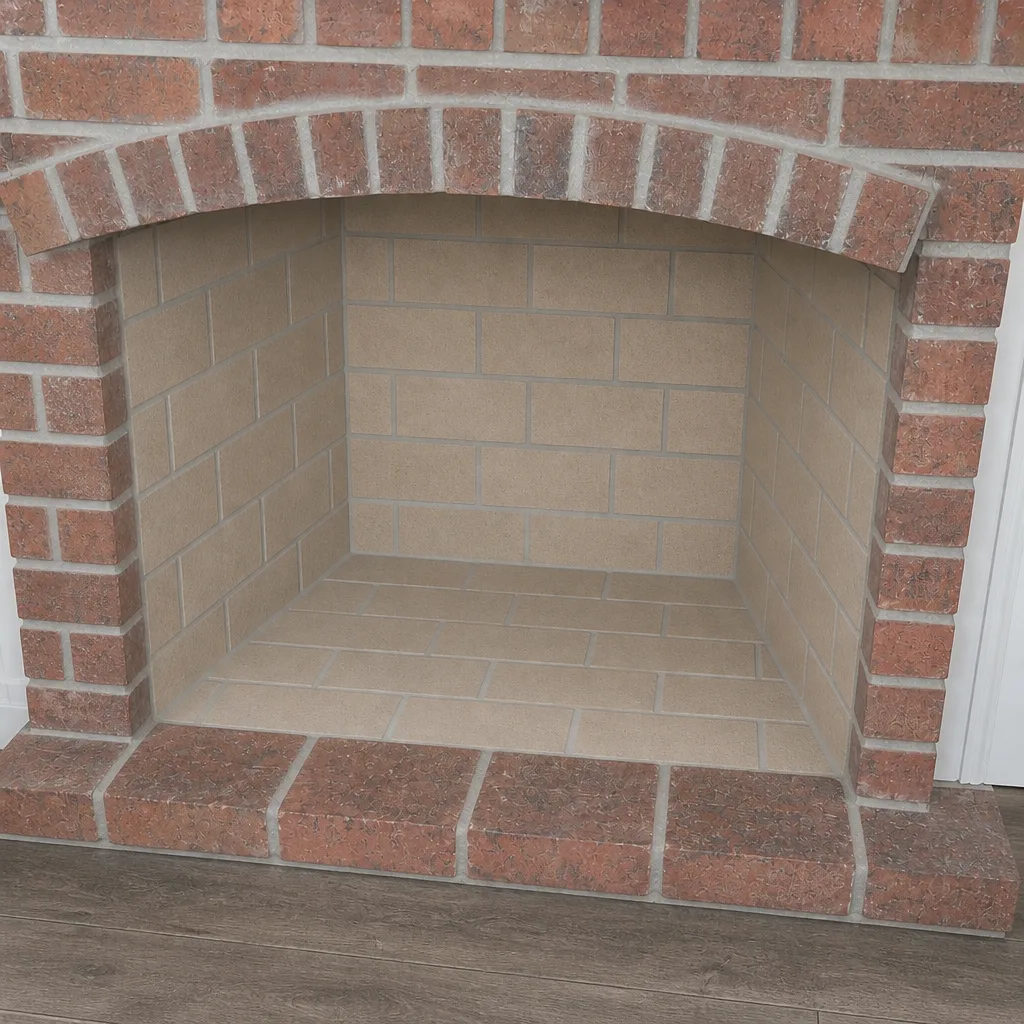 After
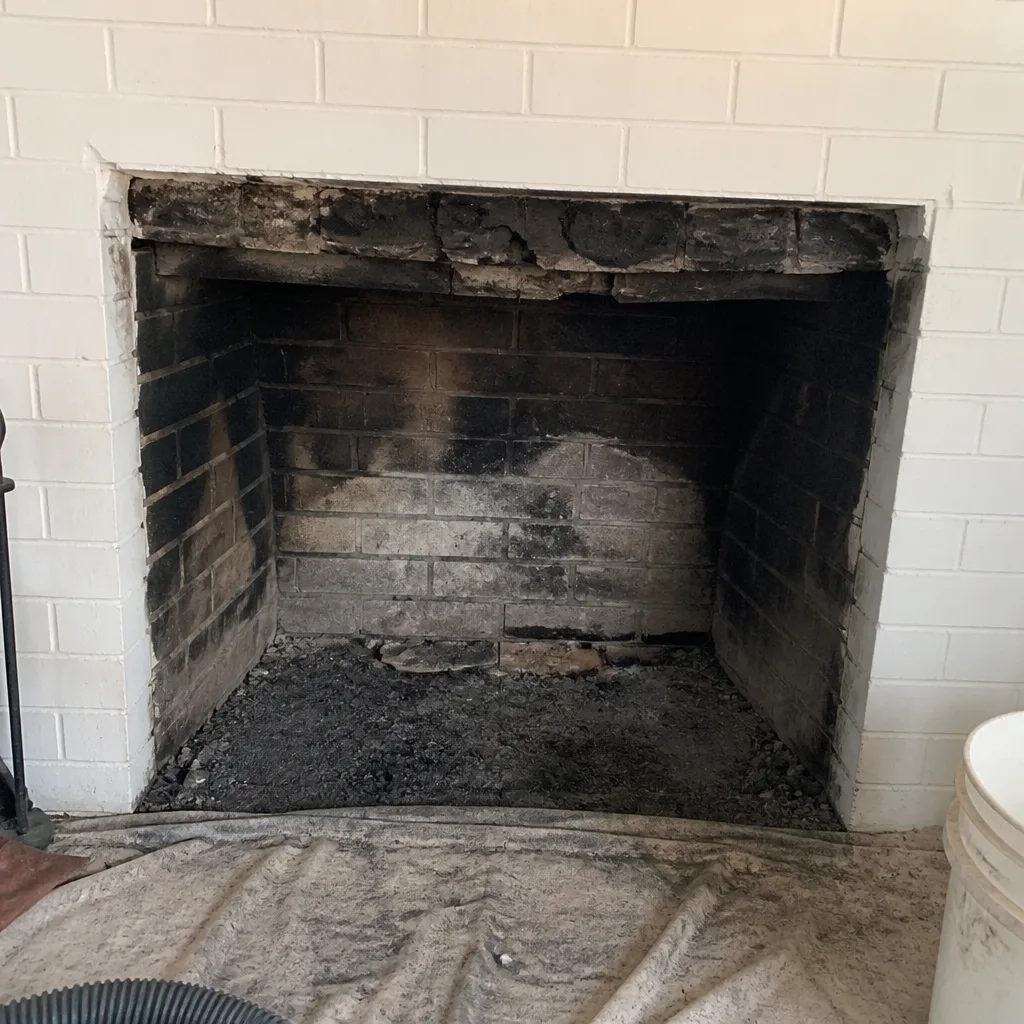 Before
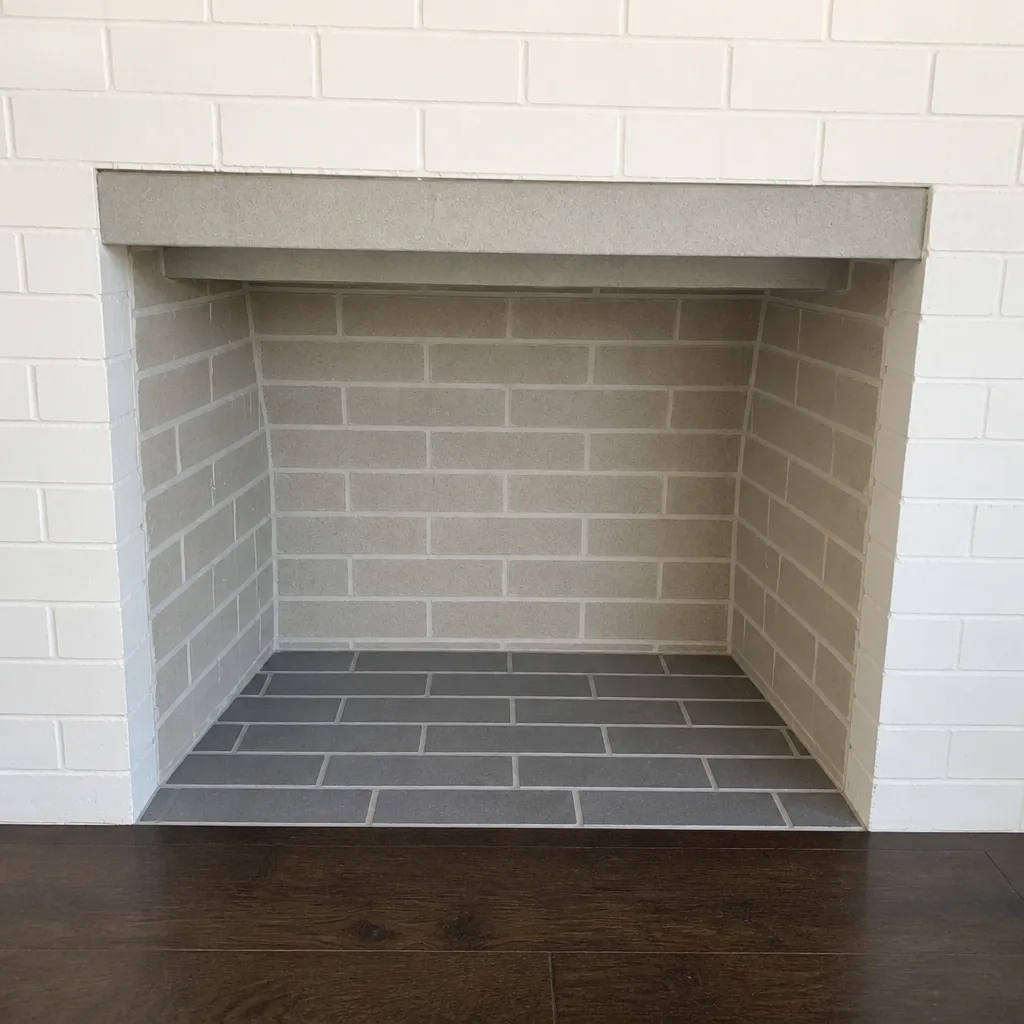 After
When to Call a Professional
Call a professional chimney company before your first fire of the season if you haven’t had a cleaning and inspection in the past year. Call immediately if you notice smoke backing into the room, a strong burnt odor when the fireplace is not in use, white staining on the chimney exterior, or if you’ve had a small chimney fire (even one you extinguished yourself – damage may be hidden). Loud animal sounds from the flue, a damper that’s stuck, or visible crumbling mortar are all also legitimate reasons to call. And if your dryer is taking longer to dry clothes, the vent is likely restricted. Chimney Sweep Valencia offers free estimates in Valencia – call (866) 472-5217. We answer 24/7. Fast dispatch from 7am to 7pm, Sunday through Friday.
Frequently Asked Questions
A standard Level 1 chimney cleaning in Valencia typically costs between $180 and $300, with heavier buildup or taller chimneys bringing the price up to $400 or more. The final figure is set by the written estimate after we see the chimney’s condition. Call (866) 472-5217 for an exact quote, with the estimate always free.
For wood-burning fireplaces in Valencia, once per year is the safe baseline regardless of use frequency. The low humidity here hardens creosote faster than in coastal climates, so even seasonal burning creates deposits that progress through ignition-risk stages quickly. Gas fireplaces should be inspected annually and cleaned as needed, usually every two to three years.
A proper chimney cleaning includes interior floor protection, full flue brushing sized to your liner, smoke chamber brushing, damper cleaning and testing, and a camera inspection with a written report. Anything less is a partial job. The camera matters because it’s the only way to document the flue’s condition after the soot is gone.
Not always. Small cracks can sometimes be resurfaced using HeatShield ceramic coating, which restores a continuous smooth surface inside the existing flue without a full rebuild. In more serious cases, a DuraFlex stainless steel liner may be the right call. We’ll show you the camera footage and explain both options before any work proceeds.
You take on risk. The creosote from the prior season hardens in Valencia’s dry air and becomes more difficult to remove, and it sits there waiting for the next fire. If the buildup reaches ignition temperature, a chimney fire can start silently and spread heat into the framing around the flue. Many chimney fires are never detected until a sweep finds the damage.
Yes. We offer dryer vent cleaning as a dedicated service and routinely perform it on the same visit as a chimney cleaning. It makes practical sense: both systems rely on clean, clear venting, and both fail in ways that cause residential fires. One appointment covers both.
The Bottom Line
Chimney cleaning in Valencia is a service that should be measured by what you learn about your system, not just what gets scrubbed. Low humidity, seasonal burning patterns, and local wood choices like eucalyptus and pine all shape how quickly creosote forms and hardens here. A proper cleaning is a procedure with defined steps: protection, brushing, smoke chamber work, camera documentation, and an honest report. The right provider can also repair what they find, using trade-level materials and techniques rather than directing you to someone else. If you use your fireplace for comfort or your dryer for daily living, both venting systems deserve an annual professional check. Call (866) 472-5217 and we’ll inspect, clean, and if needed, repair the systems that keep your home safe.
Written by the team at Chimney Sweep Valencia, serving Valencia since 2012.