
Last updated November 4, 2026
 Sweep & inspection
 Caps & crowns
 Flue relining
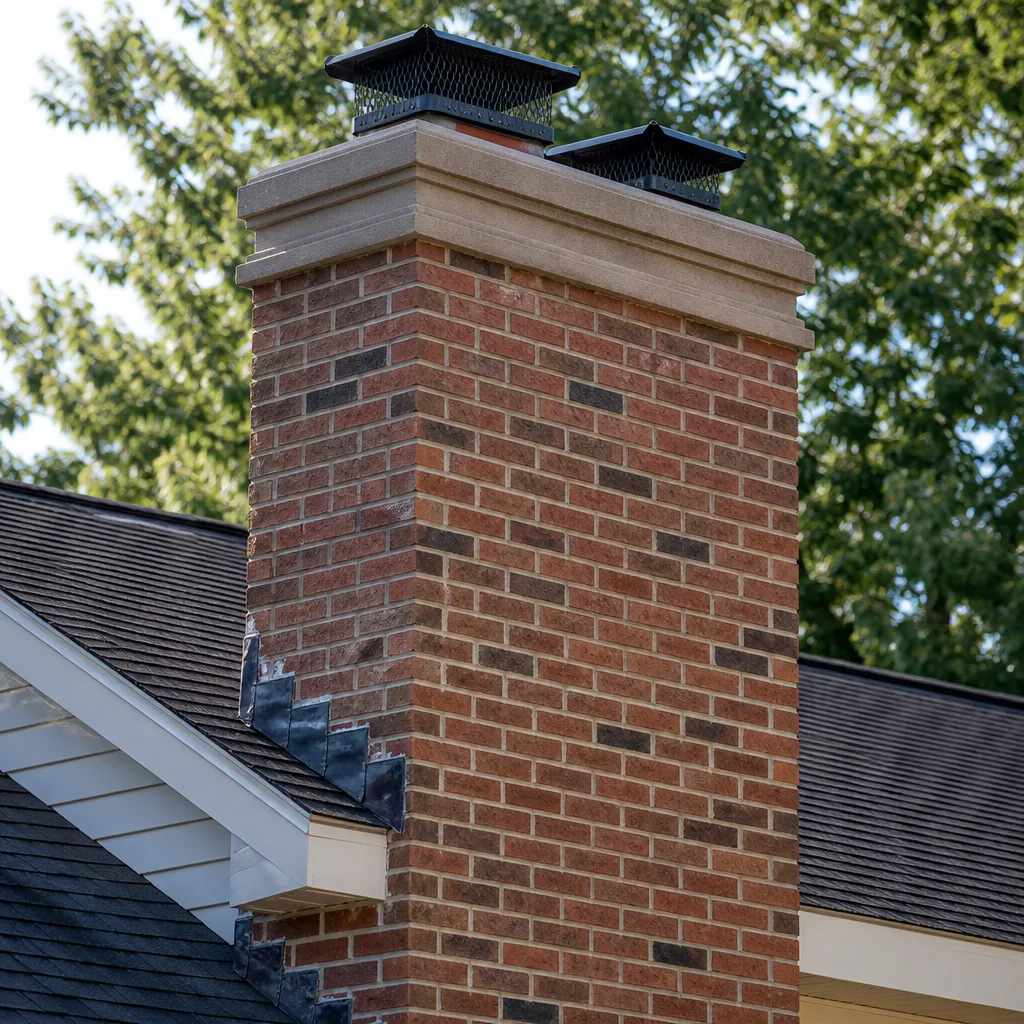 Masonry repair
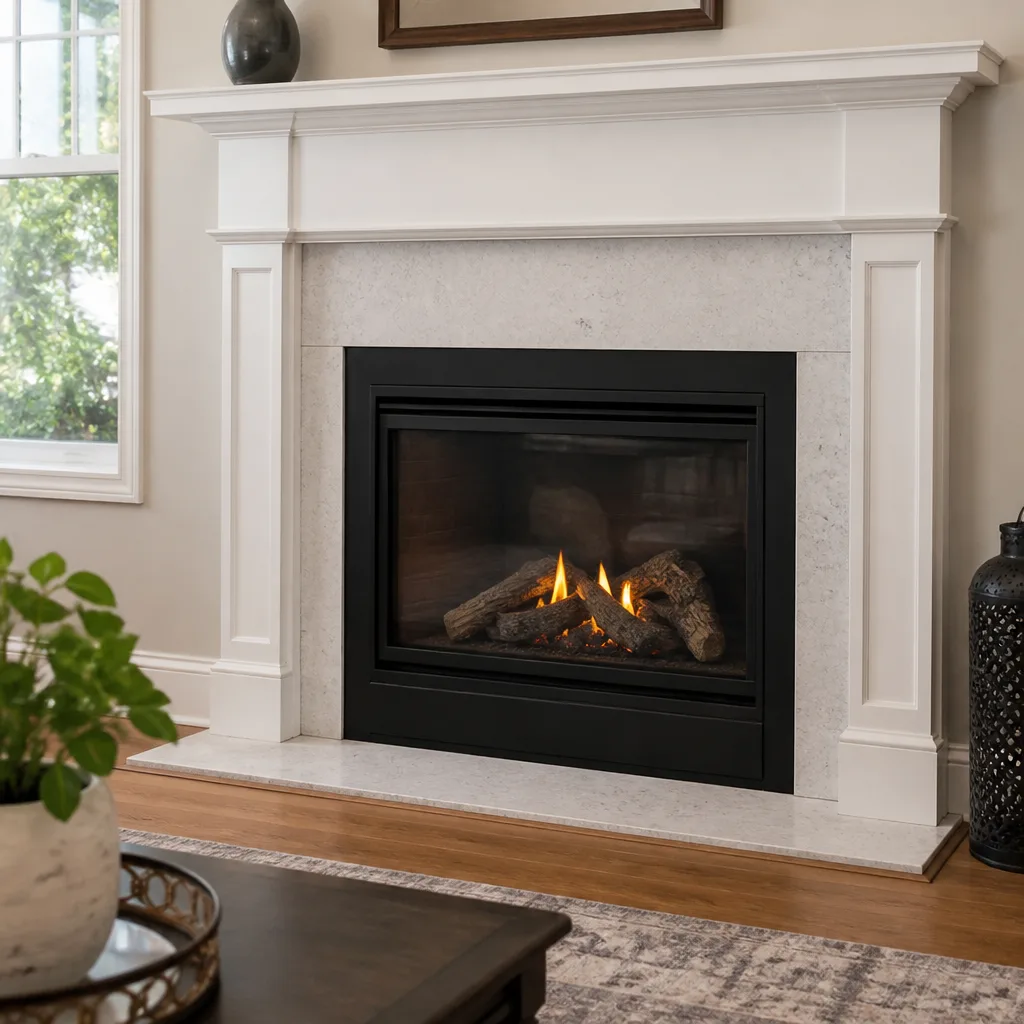 Gas fireplace service
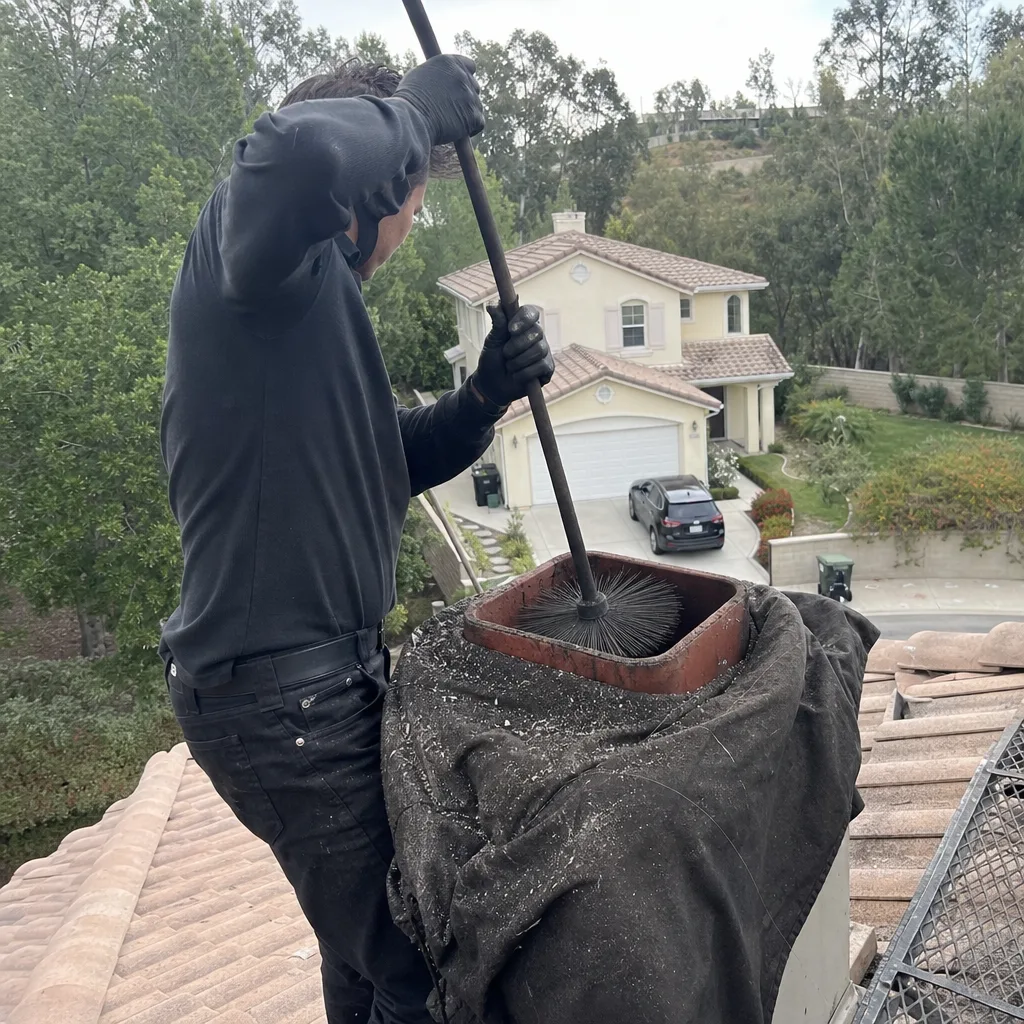
Level 1 sweep and inspection to the NFPA 211 annual standard - flue, crown, cap, and flashing checked and photographed
Chimney sweep logs do not sweep chimneys. They loosen some creosote - which then falls where a brush and vacuum still have to collect it.
Seasonal Chimney Cleaning Care for Valencia: Year-Round Homeowner’s Guide
The worst time to discover your chimney needs cleaning is the first cold night in November when the whole Santa Clarita Valley fires up at once and every sweep around Valencia is booked two weeks out. Most people think chimney care follows the four seasons, but that framework was written for places with snow and freezing rain. Valencia has its own rhythm: fire season, Santa Ana season, and a short winter burn window. Each one creates a different maintenance priority, and missing any of them means you’re reacting to problems instead of preventing them. This guide walks through what a Valencia homeowner actually needs to do, month by month, to keep a fireplace safe and working through every part of our year.
Quick Answer
In Valencia, chimney maintenance should be scheduled around three local conditions: late-summer prep before burn season starts, mid-winter monitoring during Santa Ana wind events, and a spring inspection after the brief SCV rain window closes. A professional chimney sweep and inspection once per year is the baseline, ideally in August or September before the first fire of the season. Homes that burned wood through the winter or sat downwind of wildfire smoke may need a second visual check in March or April.
Styles & brands we work with
- Sweep & inspection
- Caps & crowns
- Flue relining
- Masonry repair
- Gas fireplace service
Table of Contents
- Why Late Summer Is the Real Chimney Season in Valencia
- A Month-by-Month Chimney Task Map for Valencia
- Fire Season: How Wildfire Smoke Affects Your Chimney
- Santa Ana Winds: Draft, Backdraft, and Debris
- The Short Winter Burn Window: What Actually Happens Inside the Flue
- Spring Rain and Moisture: The Post-Season Inspection
- Gas Inserts and Dryer Vents: The Chimneys People Forget
- When a Cleaning Reveals Real Damage: Repair Before Replacement
Why Late Summer Is the Real Chimney Season in Valencia
In Valencia, the practical start of chimney season is not the first cold snap. It’s the stretch from mid-August through September, when temperatures finally ease enough to think about the fireplace without sweating through the inspection. The logic is simple: every sweep in the SCV has open capacity in August. By the second week of November, that changes fast. A homeowner who books in late summer gets their choice of appointment times and walks into burn season knowing the flue is clean and the system was inspected when there was no rush. A homeowner who waits until the first cold night is one of hundreds calling the same week.
Late summer is also the right time because of what our local weather does to a chimney that sits unused from March through October. Dust from the dry valley air settles inside the flue. Spider webs and insect nests build up in the cap and upper flue. Any moisture that got in during the February and March rain window has had months to sit against the flue tiles and mortar joints, slowly working its way in. A late-summer sweep removes all of that before the first fire bakes it into a hard, sticky layer that’s far more difficult to remove.
From a repair standpoint, late summer is when we want to be looking at a chimney. Any cracks in the flue liner, damaged mortar crowns, or deteriorated flashing are easiest to access and fix while the roof is dry and the weather is mild. Waiting until November to discover a problem means either fixing it in the middle of burn season or shutting the fireplace down for weeks right when you want it most. Our chimney sweep service includes a full inspection at the same time, so the late-summer appointment covers cleaning and diagnosis in one visit.
A Month-by-Month Chimney Task Map for Valencia
A generic seasonal chimney guide tells you to “clean in the fall” and “check for leaks in the spring.” That’s not enough for the specific conditions of Valencia. Here’s how the year actually breaks down for a homeowner in the SCV, month by month:
- January – February: This is peak burn season for Valencia. Wood fireplaces are running most nights, and gas inserts are cycling daily. You should visually check the firebox for any unusual buildup or soot that seems to appear quickly, which can signal a draft problem. If you notice smoke spilling into the room when the fire first starts, note it. That’s not normal and usually means the flue is still cold or there’s a drafting issue worth investigating.
- March: The brief SCV rain window typically runs February into March, so this is the month moisture intrusion shows up. After any sustained rain, look at the ceiling around the chimney chase and the walls adjacent to the fireplace. Water stains mean the flashing or crown has failed somewhere. March is also the right time to have a post-season sweep if you burned regularly through the winter. Removing creosote before it sits for seven months in the heat is a good practice.
- April – May: The fireplace should be dormant. But the dryer vent is not, and it runs year-round in Valencia homes. Schedule dryer vent cleaning in the spring before summer heat raises the stakes on an already-overheating lint-clogged duct. This is also when birds and small animals start looking for nesting spots, so check that the chimney cap is intact and the mesh screening has no gaps.
- June – July: Peak heat. The chimney is dry, which makes it a good time to inspect the exterior masonry and mortar for crumbling or cracking from prolonged sun exposure over previous years. Minor repointing done in summer is far cheaper than chimney repair after water has had another winter to work at the cracks. If you skipped the spring dryer vent cleaning, July is a fine backup window.
- August – September: This is the optimal pre-season sweep window. Schedule a full chimney sweep and inspection now, even if you don’t plan on burning until November. It beats the rush, gives you repair time if anything is found, and means the fireplace is ready the day you want it.
- October: The first Santa Ana wind events usually arrive. Dry, gusty conditions mean more dust and leaf debris gets pushed against chimney caps and into flue openings. If you skipped the late-summer sweep, now is the last reasonable window to get it done before the demand spike. Check that the damper opens and closes smoothly after a long idle period.
- November – December: Peak burn season begins. With the late-summer sweep behind you, the system should be clean and safe. Keep an eye out for any new smells, visible smoke escaping into the room, or a firebox that seems to be burning differently than it did a month ago. If a Santa Ana event rolls in, avoid burning on the worst wind nights if possible.
This calendar reflects how Valencia homes actually get used. The burning season is short but intense, and the long idle window from spring through early fall is when debris, moisture damage, and pest intrusion quietly accumulate. Staying ahead of each season’s specific threat is the whole game.
Fire Season: How Wildfire Smoke Affects Your Chimney
Valencia sits in a fire-prone region, and when a major wildfire burns anywhere in the Santa Clarita Valley or the surrounding hills, the smoke doesn’t just affect the air outside. A chimney that is not in use becomes a passive air intake. Warm air inside the home rises, escapes through the flue or the damper gap, and the smoke-laden air outside gets pulled in to replace it. Over a week of sustained smoke exposure, fine ash and creosote-like residue coat the inside of the flue, the damper assembly, and sometimes the firebox itself.
Here’s what to check after a significant regional fire event, even if your fireplace was never used during it:
- Smell inside the fireplace: If you notice a campfire odor near the fireplace when there’s no fire in it, ash and smoke residue likely settled inside the flue. This can persist for weeks if not addressed.
- Dusting on the damper handle and firebox floor: Fine white or gray ash that appears without any burning activity in your own fireplace is a sign that outside smoke made its way in.
- Draft reversal: On a still day, light a match near the open damper and watch the smoke. If it drifts into the room instead of rising, the flue may have enough residue to interfere with normal draft.
- Reduced draw when the fireplace does run: If the first fire of the season smokes more than usual or seems sluggish, the flue may have a coating of wildfire residue that needs to be removed before it bakes on with the first hot burn.
Wildfire smoke residue is not the same as the creosote a wood fire creates internally, but it creates a similar problem: a sticky, acidic coating on flue surfaces. Left in place through a burn season, it can accelerate corrosion of metal components and leave an odor that’s hard to get rid of. A professional chimney sweep after a major fire event clears this out. In Valencia, where wildfires are a recurring reality rather than an occasional worry, this check belongs on every homeowner’s post-smoke checklist.
Santa Ana Winds: Draft, Backdraft, and Debris
Santa Ana winds are a defining feature of fall and winter in Valencia, and they affect chimney performance in ways that most generic guides never address. These winds come out of the northeast, blowing hot, dry air down through the passes and canyons into the SCV. Gusts regularly reach 40 to 60 miles per hour. That kind of wind doesn’t just rustle leaves. It creates pressure differentials around your roofline that can actively fight against the natural draft of your chimney.
The main risk is backdrafting. A fireplace depends on warm air rising through the flue to carry smoke and combustion gases upward and out. High winds can reverse that flow, particularly when the fire is just getting started and the flue is still cold. Air pulses down the chimney, pushing smoke back into the room. This is most likely during a strong Santa Ana event, and it’s more common in single-story homes where the chimney height is not much above the roofline. If you light a fire on a high-wind evening and notice smoke spilling out of the firebox within the first ten minutes, backdrafting is likely the cause.
Santa Ana winds also drive more debris into chimney caps and flue openings. The winds whip through the valley’s dry brush and eucalyptus groves, carrying leaves, twigs, and fine dust that settles on screens and builds up against the cap. Over a full Santa Ana season, this accumulation can partially obstruct airflow, making draft sluggish even on calm days. The dryer the conditions, the finer and lighter the debris, and the more easily it gets pushed into places it shouldn’t be.
We recommend that Valencia homeowners pay attention to wind conditions when choosing whether to burn. On the worst Santa Ana nights, the smart move is to skip the fire. You’re not missing much on a night when the heater rarely kicks on anyway, and you avoid fighting an unpredictable draft. If you do burn, start with small, hot fires that heat the flue quickly and establish a strong upward draw before the gusts can fight it.
The Short Winter Burn Window: What Actually Happens Inside the Flue
Valencia’s burn season is compressed. Unlike colder parts of the country where fireplaces run from October through April, most SCV homes burn from late November through late February. That’s three to four months of actual use, often with multiple fires per week during the coldest stretch. The short window doesn’t mean less creosote. In fact, the pattern of many fires in a short period can create more creosote per cord of wood than the same fires spread over six months, because homeowners tend to burn hotter and more frequently in a concentrated burst.
Creosote is the real thing we’re managing in the winter. It forms when wood smoke cools and condenses on the flue walls, and it accumulates in three stages: a light, flaky soot; a darker, crusty layer; and finally a hard, glossy, tar-like glaze. The third-stage creosote is the one that fuels chimney fires. It’s extremely flammable and difficult to remove once it glazes on. The interior of a flue can look fine from the top when it actually has a significant creosote load further down, which is why a visual inspection without the right tools doesn’t tell the whole story.
During the winter burn window, there are a few signals that tell you something is building up faster than it should:
- Honeycomb or crusty deposits on the damper plate: If you can see it there, it’s almost certainly accumulating higher in the flue.
- A dull, acrid smell from the fireplace after the fire is out: Creosote has a distinct, unpleasant odor that lingers, particularly on humid or rainy days.
- Fires that seem harder to start: A restricted flue from creosote buildup reduces the oxygen supply, making ignition slower and less reliable.
- A roaring sound coming from the flue: This is the classic sound of a chimney fire, and it requires an immediate call to the fire department, not a wait-and-see approach.
The seasonal pattern matters for how we approach maintenance. A chimney swept in September before a heavy burn season may develop meaningful creosote by February, particularly if the homeowner burns green or unseasoned wood. If you’re burning more than three fires per week through the winter, a mid-season check in January is not excessive. For the average Valencia home, an annual pre-season sweep handles the load, but heavy burners should know the threshold exists.
Spring Rain and Moisture: The Post-Season Inspection
Valencia does not get a long, drawn-out rainy season, but the rain that does fall, typically concentrated in February and March, is enough to expose weaknesses in a chimney system. The problem is that most of those weaknesses lie dormant through the dry summer, and homeowners don’t notice them until the following winter when water has already worked its way deep into the masonry. A post-season inspection in March or early April catches that damage when it’s fresh and cheapest to fix.
Moisture causes three specific problems for chimneys in Valencia’s climate:
- Mortar erosion: The mortar joints between bricks and flue tiles absorb small amounts of water during rain. When the water evaporates in the hot, dry conditions that follow, it leaves the mortar slightly weaker. Repeat this cycle over several years and the joints begin to crumble. Loose mortar joints are entry points for more moisture, and the damage compounds.
- Crown and flashing failure: The concrete crown at the top of the chimney and the metal flashing where it meets the roof are the two places water most commonly enters. A hairline crack in the crown that formed during a hot summer widens during a rainy week, and each subsequent rain event pushes water deeper into the chimney structure. Flashing that pulls away from the roofline lets water run directly down the exterior of the flue.
- Efflorescence and spalling: These are the visible signs that moisture has been inside the masonry for a while. Efflorescence is a white, chalky deposit that appears on the brick face. Spalling is when the brick face itself flakes or pops off. Both mean water has soaked in and is working its way back out, leaving damage behind.
A spring inspection after the rain window closes is the right time to check all of this. The surfaces are dry enough to inspect properly, and any damage is recent enough that repairs can be done before the summer heat bakes the problems deeper. For homes in Valencia where the chimney is original construction, meaning it’s been through many of these wet-dry cycles already, the post-season look matters even more.
Gas Inserts and Dryer Vents: The Chimneys People Forget
Most seasonal chimney guides assume a wood-burning fireplace. But a large share of Valencia homes use gas inserts or gas log sets, and those systems need a different kind of seasonal attention. They don’t create creosote the way wood fires do, but they do create an environment that attracts a different set of problems, and the venting is just as important as a wood flue.
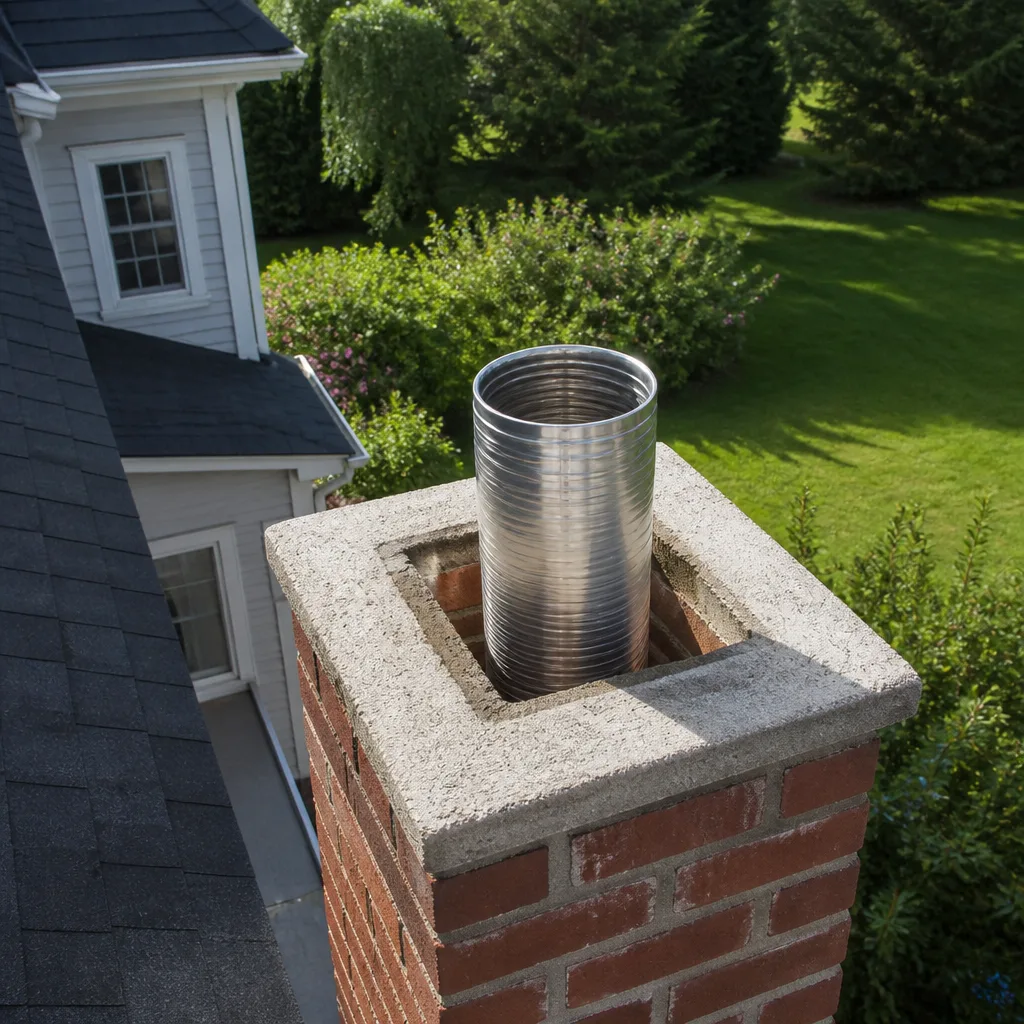
Gas inserts vent through a smaller liner, often an aluminum or stainless flexible pipe, that runs up the existing chimney. Because the exhaust is relatively cool and moist compared to wood smoke, the inside of the vent can collect a fine, powdery residue over time. It’s not flammable in the creosote sense, but it can obstruct airflow, and a partially blocked gas vent is a carbon monoxide risk. The burner itself also collects dust and spider webs during the long idle season. Spiders are drawn to the sulfur odor added to natural gas, and their webs can clog the burner ports and orifices, leading to poor combustion and increased carbon monoxide output when the unit first lights in the fall.
The seasonal task for gas inserts is simple: annual inspection and cleaning before the first fall use. Confirm the vent is clear, the burner is clean, and the CO detector in the home is working. Don’t wait for a year where the pilot light struggles to stay lit, which is a common sign of vent restriction.
Dryer vents deserve equal billing. The lint that accumulates in a dryer duct is one of the most flammable materials in a typical Valencia home, and it builds up year-round, not just during a burn season. The seasonal pattern here is that the duct heats up more in the summer, and a lint-clogged duct in August is already running hot before the dryer even adds its load. Annual dryer vent cleaning done in spring or early summer is the safest schedule, and it belongs on the same calendar as the chimney sweep. Your fireplace and your dryer both deserve a safety check, and in many homes they share the same roof penetrations and the same vulnerability to poor maintenance.
When a Cleaning Reveals Real Damage: Repair Before Replacement
One of the most valuable things a professional sweep provides is the information that comes with the cleaning. A chimney that looks fine from the outside can have internal flue tile damage, and the homeowner who only gets a brushing never learns about it until the problem is visible from outside, which usually means it’s expensive. In our experience, this is the moment when a cleaning-only service and a repair-capable company diverge sharply. We don’t just clean. We inspect, diagnose, and repair.
Here are the three most common repair findings in Valencia chimneys, and what they mean for a homeowner:
- Cracked or deteriorated flue tiles: The clay tiles that line most masonry chimneys crack over time from repeated heating and cooling. A cracked tile is a pathway for heat and combustion gases to reach the surrounding chimney structure. Historically, fixing this meant tearing out the old liner and rebuilding, a very costly job. HeatShield resurfacing offers a restoration path that restores the flue surface without a full rebuild. Restoration before replacement saves real money and extends the life of the chimney.
- Damaged or collapsing clay liner: When the damage goes beyond surface cracks and the structural integrity of the liner is compromised, a full reline is the answer. The DuraFlex liner system is our standard for this work. It installs through the existing flue, creates a new, sealed exhaust path, and is rated for the temperatures a wood fire produces. This is a structural-level repair that separates a repair-capable sweep from a maintenance-only operator.
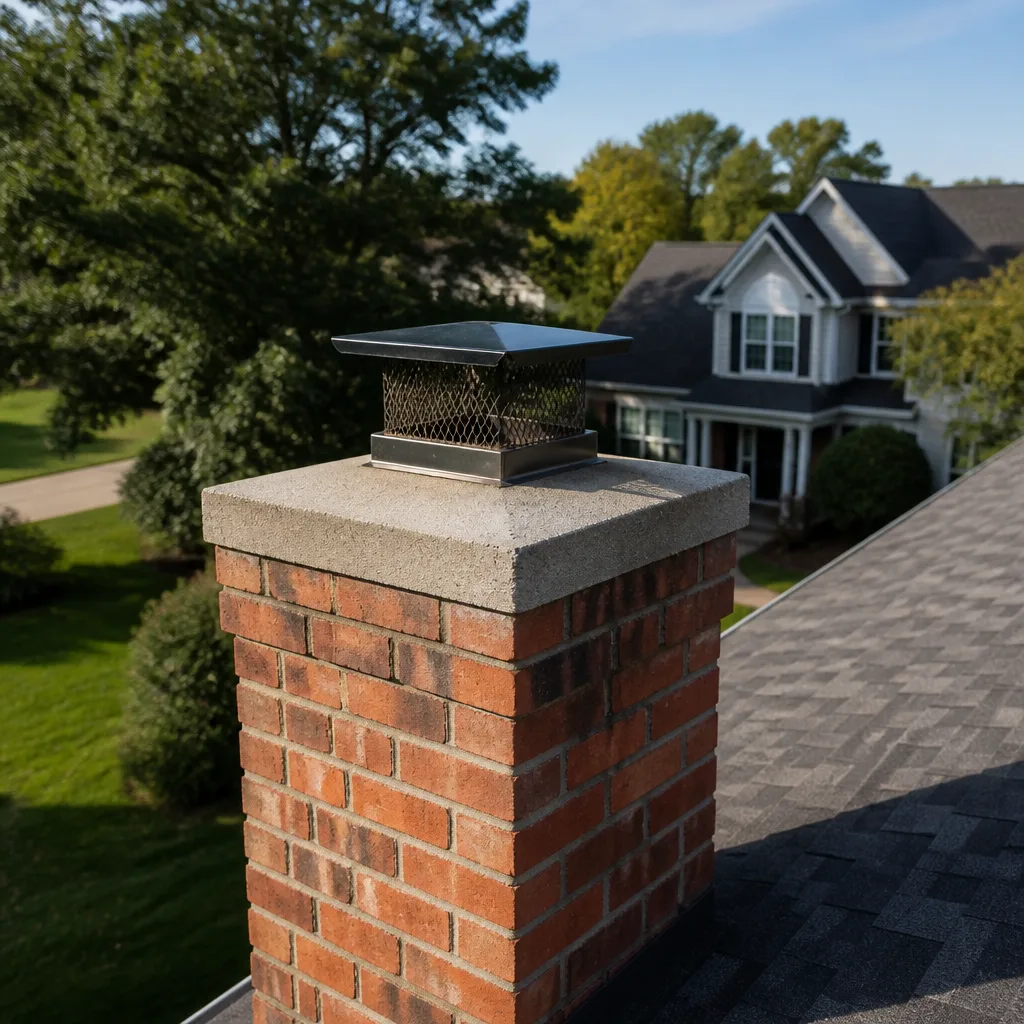
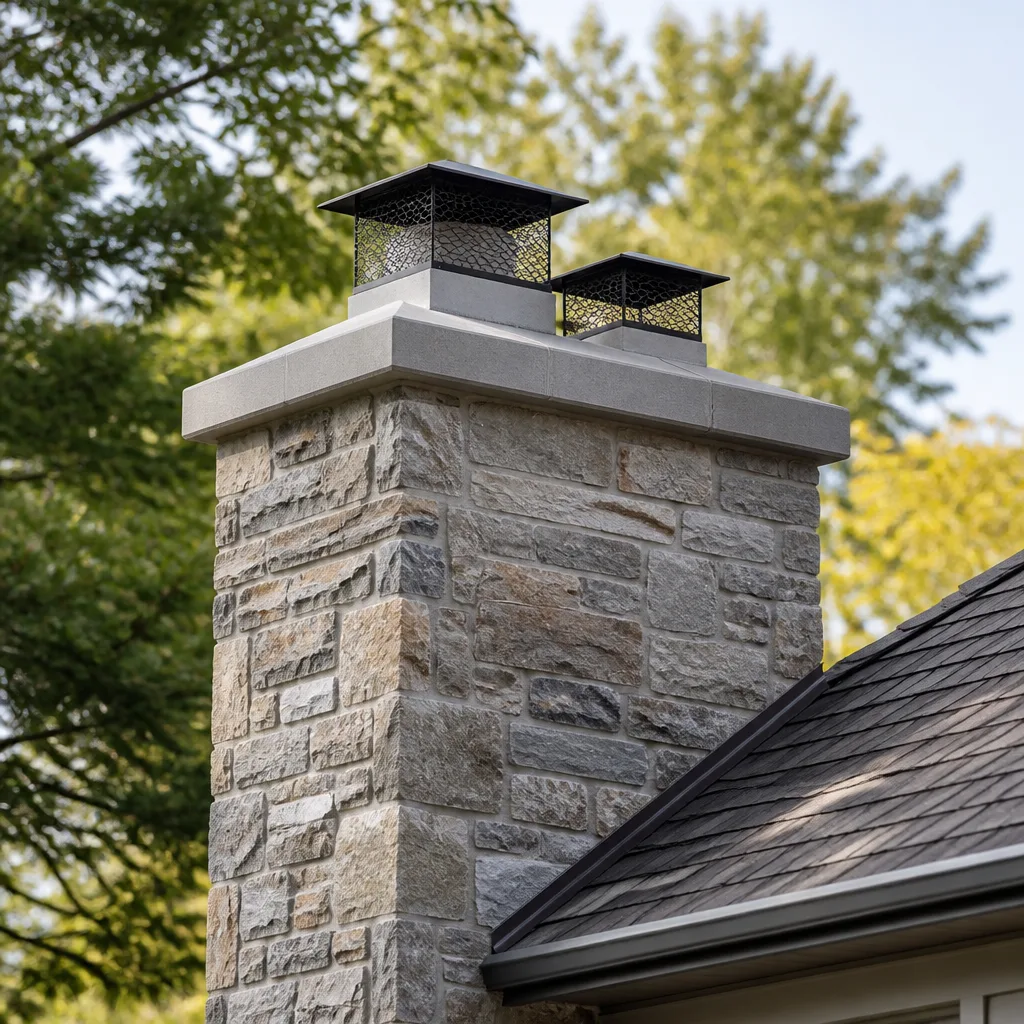
- Missing or damaged chimney cap: A cap serves multiple purposes: keeping rain out, blocking animals, and acting as a spark arrester. When a cap fails, all three protections go with it. Replacing a cap is straightforward, but it requires knowing what size and material works for the specific flue. Our team uses professional-grade materials from Copperfield and Olympia Chimney for cap and crown work, matched to the chimney rather than a big-box universal fit.
The advantage of working with a Chimney Sweep Valencia team that handles both cleaning and repair is that findings from the sweep don’t start a second search for a contractor. One call covers cleaning, lining, repair, and venting. The inspection happens during the cleaning, the recommendation follows from what was actually seen, and the repair can be scheduled immediately rather than handed off to someone else.
Common Mistakes to Avoid
- Waiting for the first cold night to schedule a sweep. Every November, the same rush happens. The homeowners who booked in August and September get their appointments without stress. The ones who waited are calling every company in Valencia hoping for a cancellation.
- Burning unseasoned wood because it’s available. Green or wet wood produces far more creosote than dry wood, and in a short, intense burn season the buildup happens quickly. Wood should be split and stacked in a dry place for at least six months before burning.
- Ignoring the dryer vent because “it’s not a chimney.” Lint fires happen in homes with perfectly clean chimneys. The dryer duct is a fire risk in its own right, and it needs the same annual attention.
- Assuming a gas insert needs no maintenance. Gas systems don’t create creosote, but they do collect residue and insect debris that can restrict venting and create a carbon monoxide risk. Annual inspection is still required.
- Burning during high Santa Ana wind events. This is a Valencia-specific mistake. The backdraft risk is real, and no amount of technique fully overcomes 50 mph gusts pushing against your flue.
- Painting over efflorescence or spalling brick. This hides the symptom without addressing the moisture problem. The water is still getting in, and the damage continues behind the paint.
- Skipping the post-rain inspection in spring. A cracked crown found in April is a small repair. The same crack left through a summer of heat and another winter of rain becomes a structural problem.
See the difference
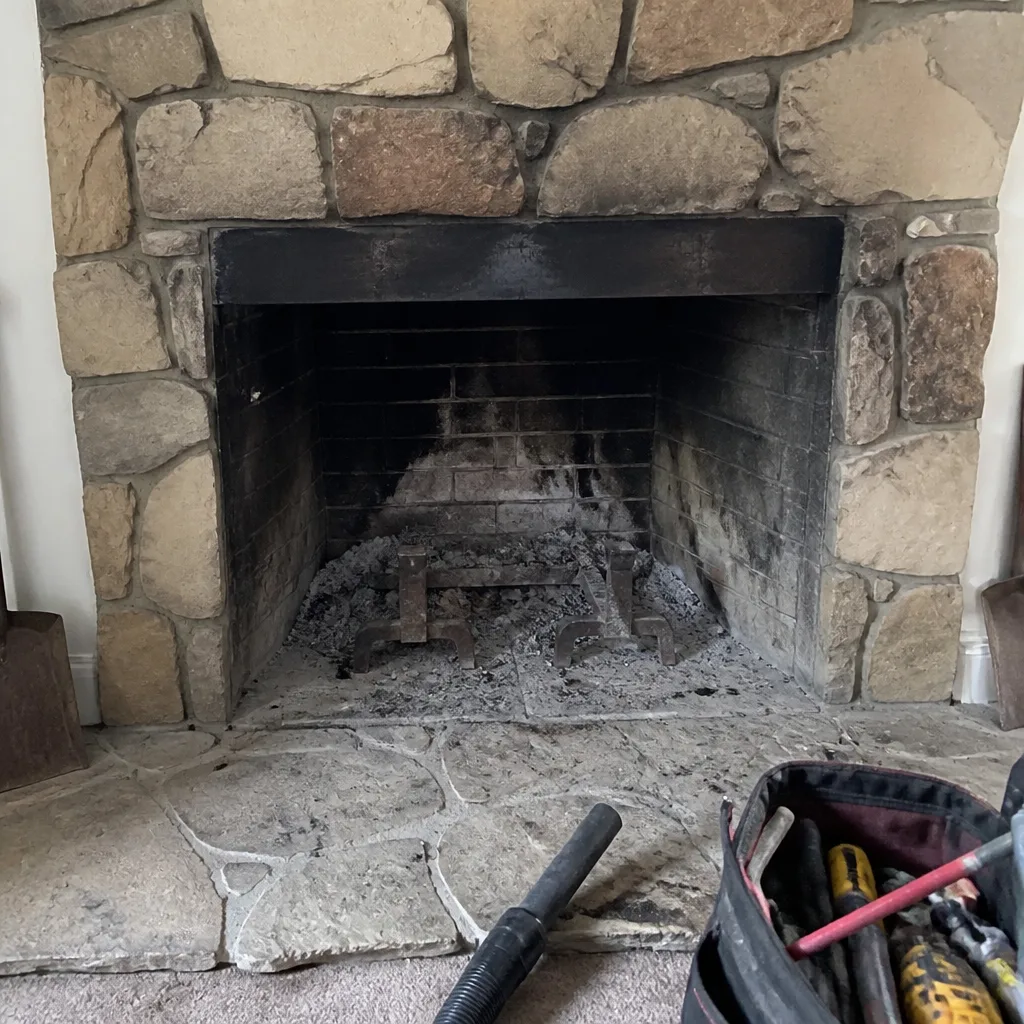 Before
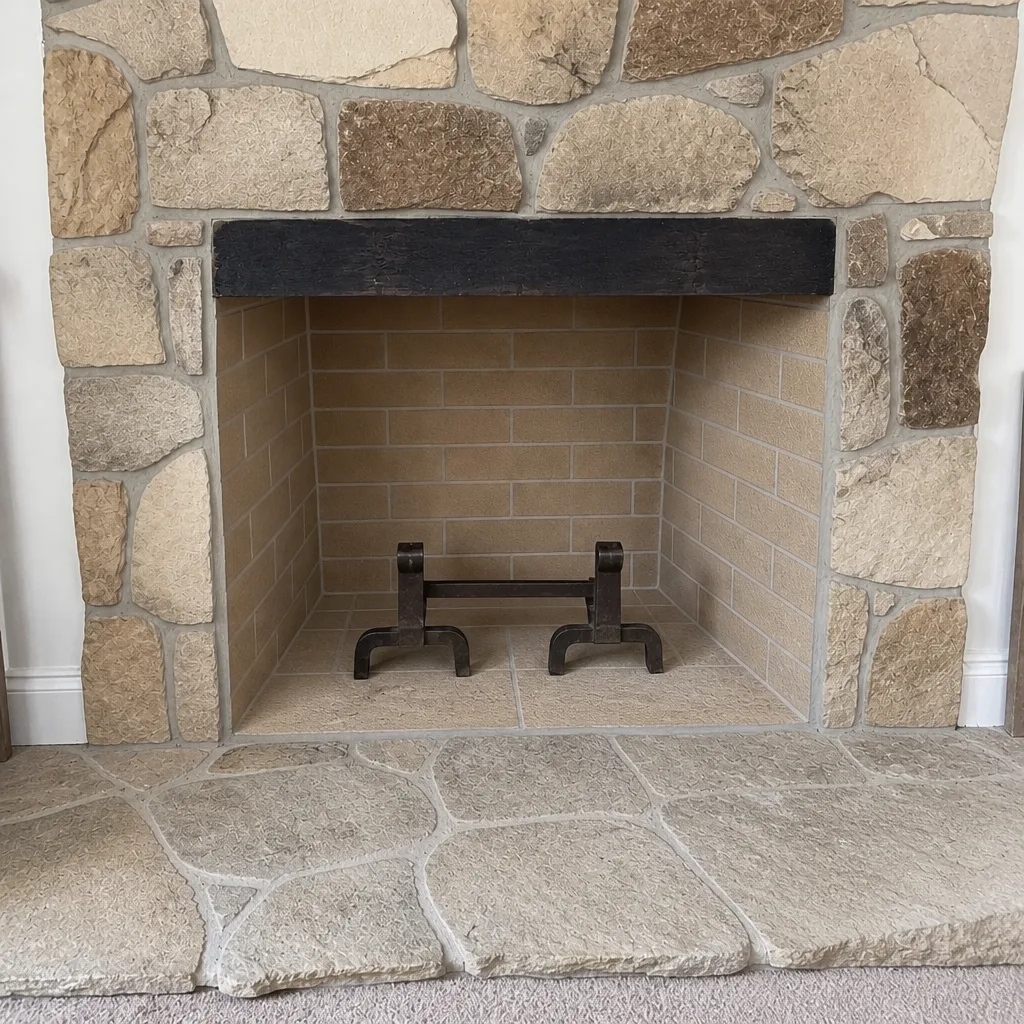 After
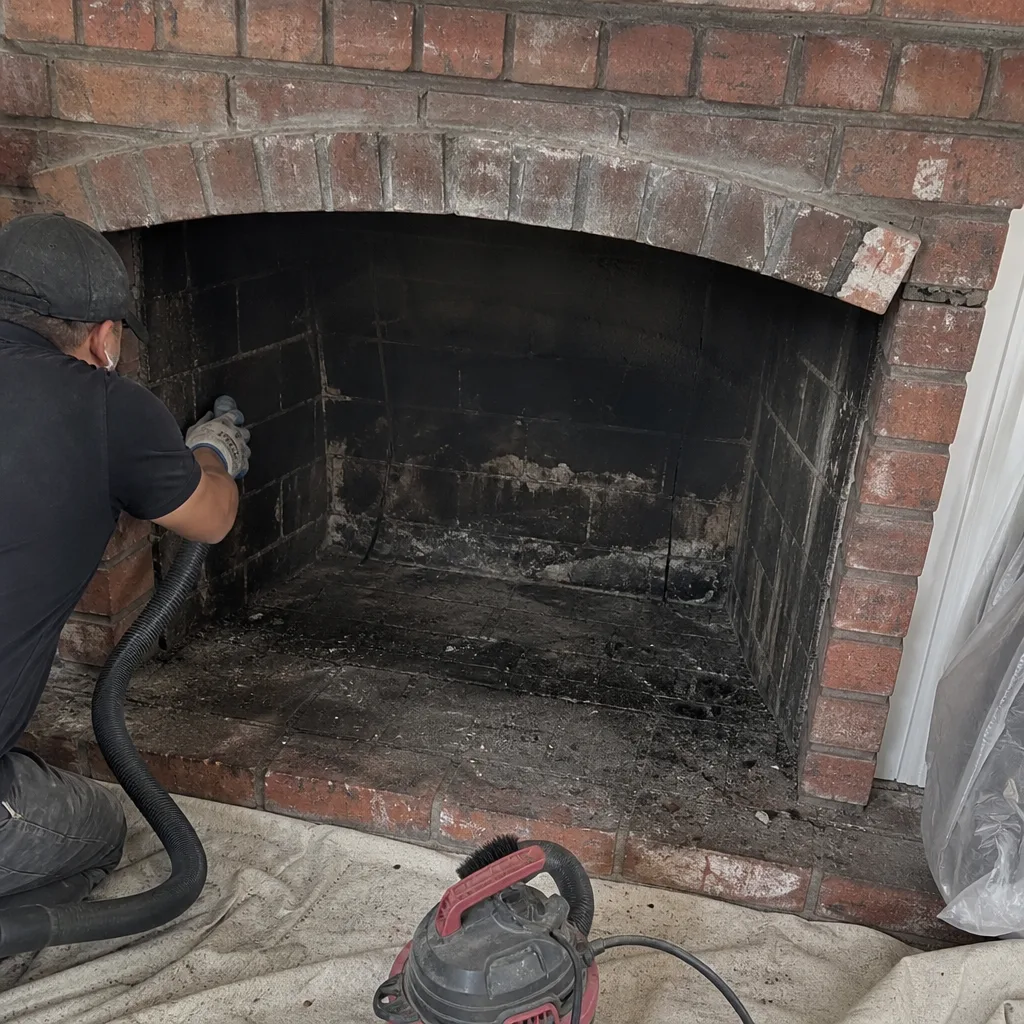 Before
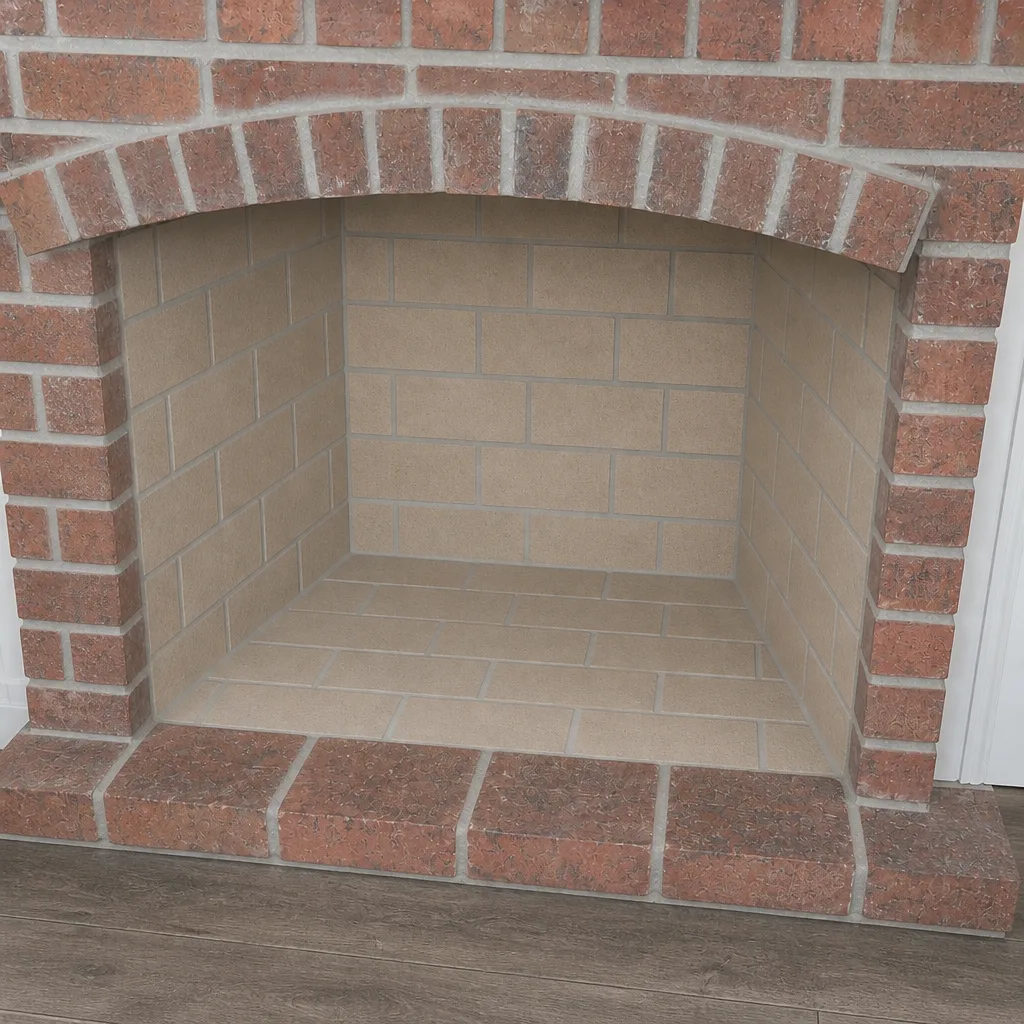 After
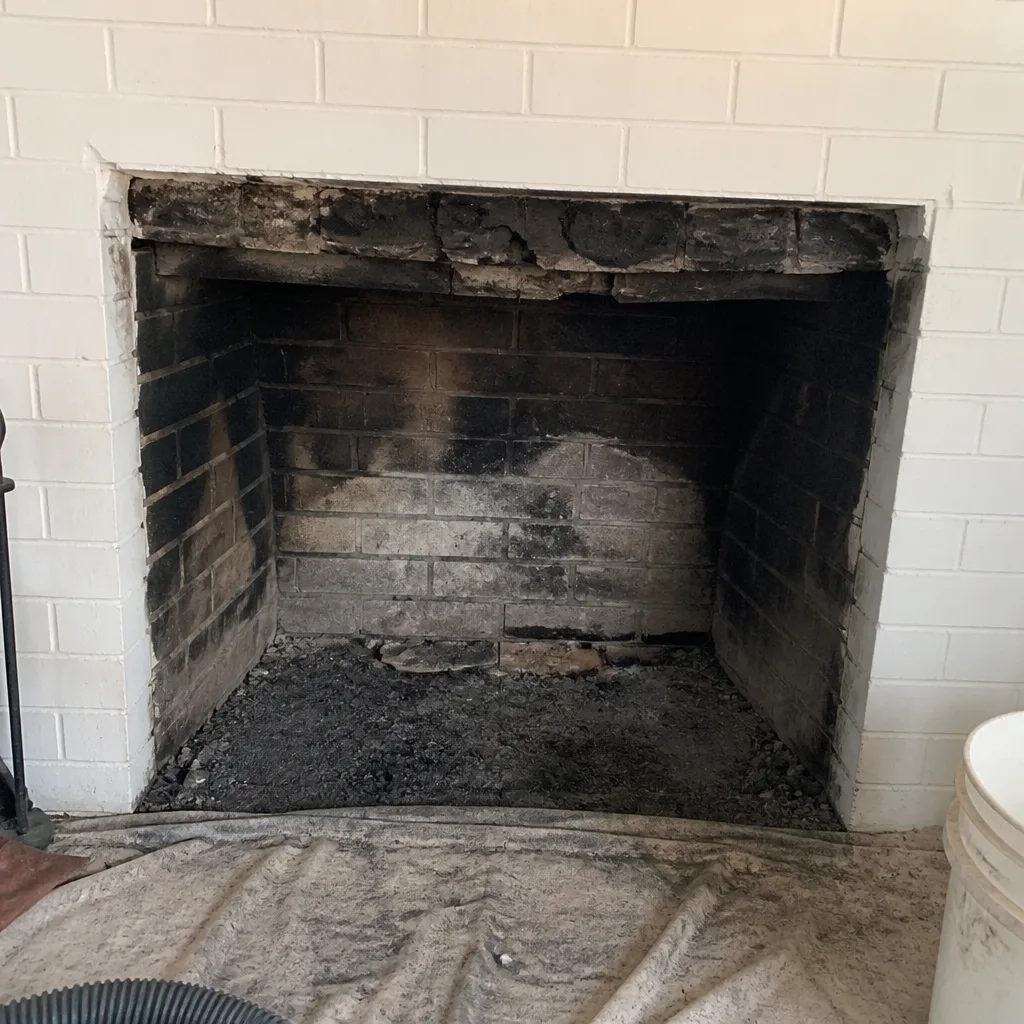 Before
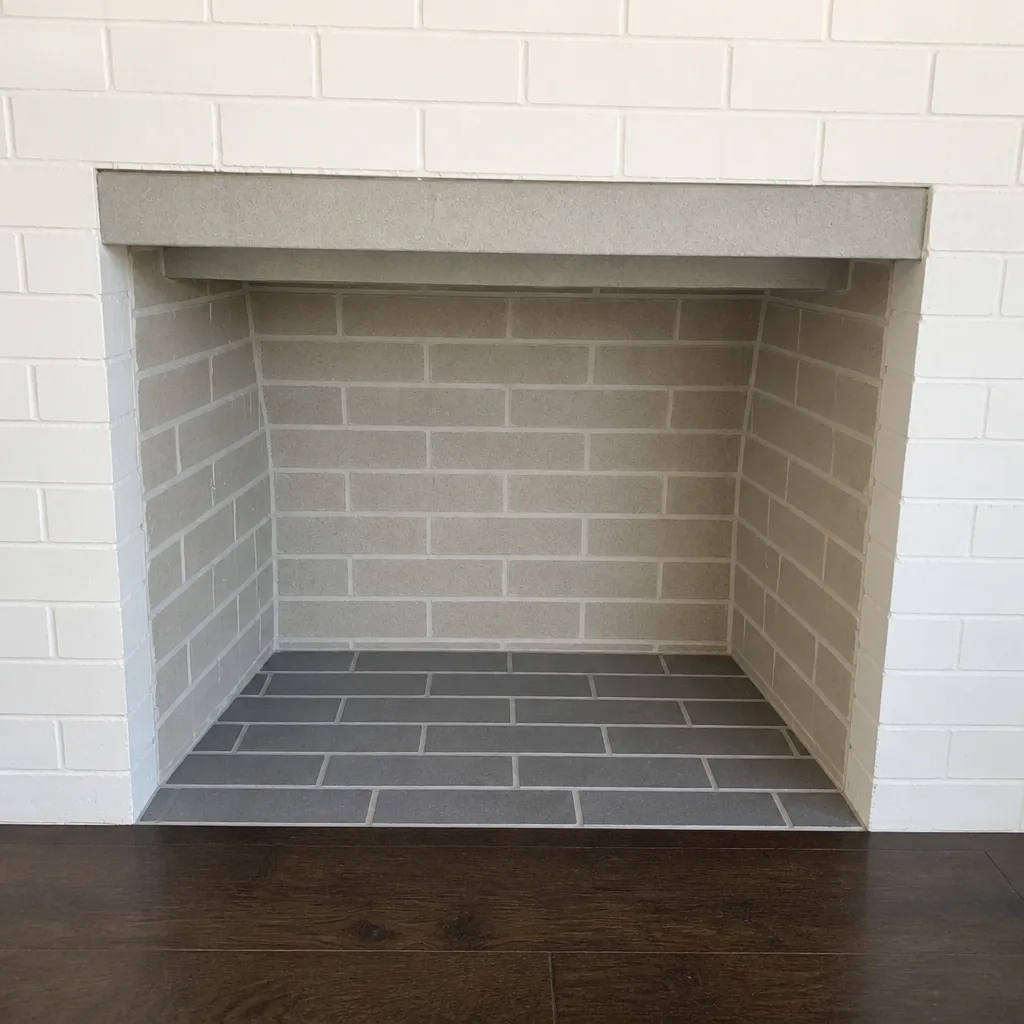 After
When to Call a Professional
Any homeowner who burns wood through a Valencia winter should have a professional sweep and inspection once per year, scheduled in late summer or early fall. Beyond that baseline, call a professional when you notice smoke entering the room during normal operation, a strong creosote odor that persists when the fireplace is not in use, visible rust or water stains near the chimney, or any sign of animal activity inside the flue. If you’ve had a significant wildfire smoke event in the SCV and the fireplace smells like smoke weeks later, that’s also a reason to book an inspection. Chimney Sweep Valencia offers free estimates in Valencia. Call (866) 472-5217. We answer 24/7. Fast dispatch from 7am to 7pm, Sunday through Friday.
Frequently Asked Questions
Once per year is the standard for a wood-burning fireplace, and the best time in Valencia is August or September before the burn season begins. Homes that burn more than three fires per week through the winter may need a mid-season check in January or February. Gas inserts need annual inspection and cleaning even though they don’t create creosote.
The price of a chimney sweep in Valencia varies based on the type of system, the level of buildup, and whether repairs are needed. Because every home is different, the only accurate number comes from a written estimate after an inspection. Estimates are free, so call (866) 472-5217 to get one for your specific chimney. We answer 24/7. Fast dispatch from 7am to 7pm, Sunday through Friday.
Yes, gas fireplaces and inserts need annual venting inspection and cleaning. The residue is different from creosote, but it still restricts airflow, and a blocked gas vent is a carbon monoxide risk. The burner and pilot assembly also collect dust and spider webs during the idle season that need professional clearing.
Yes, Santa Ana winds can create enough pressure at the chimney top to overcome a weak draft and push smoke back into the room. This is most likely when the fire is just starting and the flue is still cold. Avoid burning on the worst wind nights, and if you do burn, start with a small hot fire to establish the upward draw quickly.
HeatShield is a restoration process that applies a ceramic coating to the inside of a damaged flue, sealing small cracks and restoring the surface without removing the existing liner. It can extend the life of a chimney with flue tile damage and avoid a full liner replacement in many cases. The condition of the existing structure determines whether HeatShield is appropriate or a full DuraFlex reline is needed.
It’s an efficient way to handle both venting systems in one service call. The dryer vent accumulates lint year-round, and cleaning it annually at the same time as the chimney sweep keeps both fire risks on the same schedule. Chimney Sweep Valencia handles both services with the same team, so one appointment covers both.
The Bottom Line
Valencia’s chimney care calendar doesn’t follow the four-season template that works for colder climates. Our year is shaped by late-summer preparation, the concentrated winter burn window, Santa Ana winds, and the brief spring rain. The homeowners who get the best results treat August and September as their annual prep window, schedule a professional sweep before the November rush, watch for backdraft on high-wind nights, and check for moisture damage when the rain stops in March. Dryer vents and gas inserts deserve the same annual attention as wood flues. And when the sweep finds damage, a repair-capable company means the fix starts immediately rather than waiting for a second contractor. One call covers cleaning, lining, repair, and venting: (866) 472-5217. We answer 24/7. Fast dispatch from 7am to 7pm, Sunday through Friday.
Written by the team at Chimney Sweep Valencia, serving Valencia since 2012.