
Last updated November 4, 2026
 Sweep & inspection
 Caps & crowns
 Flue relining
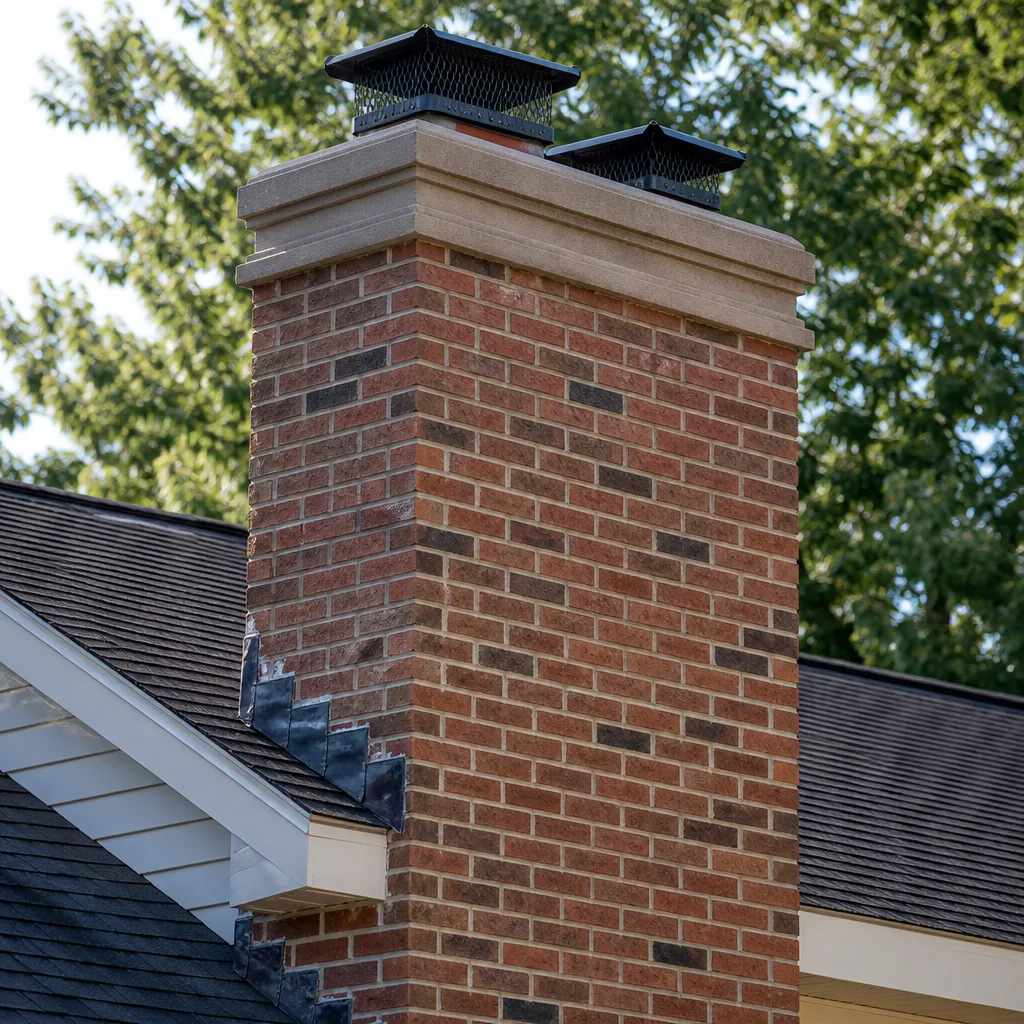 Masonry repair
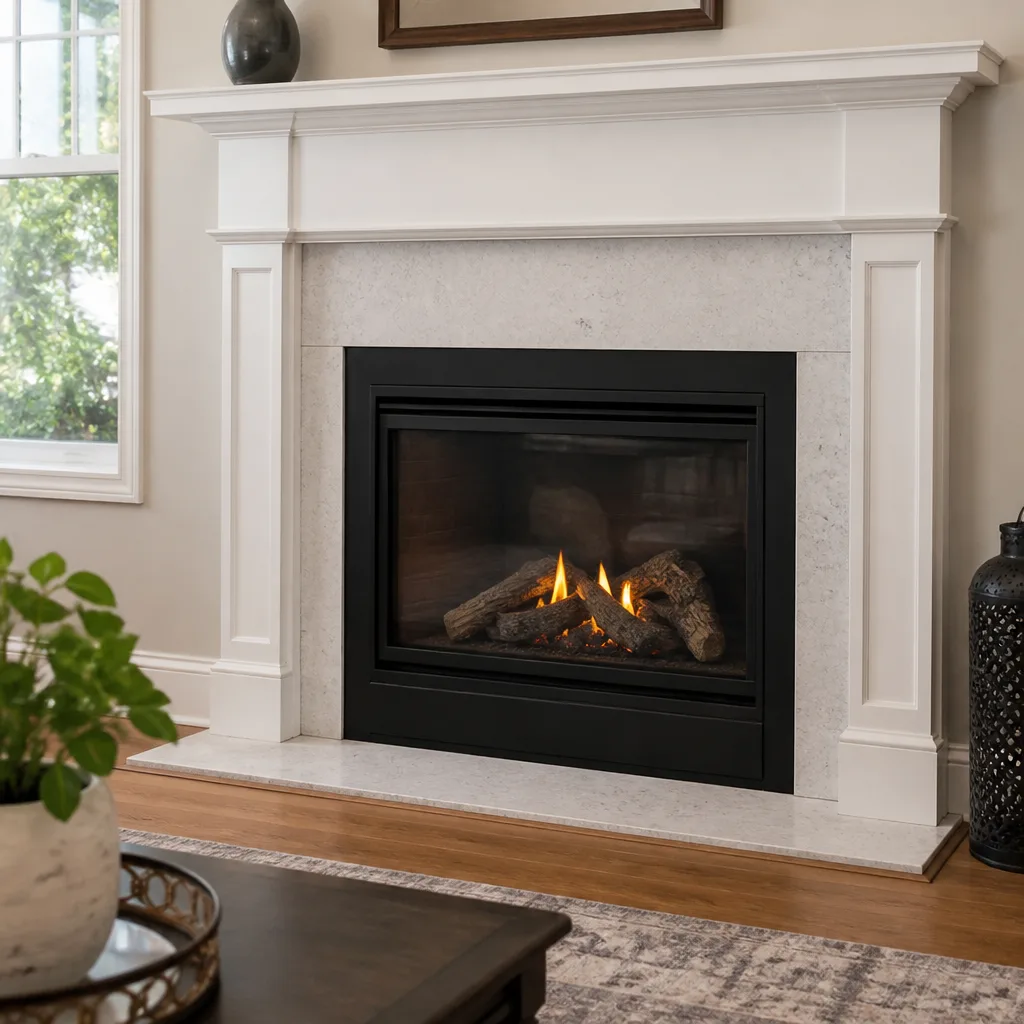 Gas fireplace service
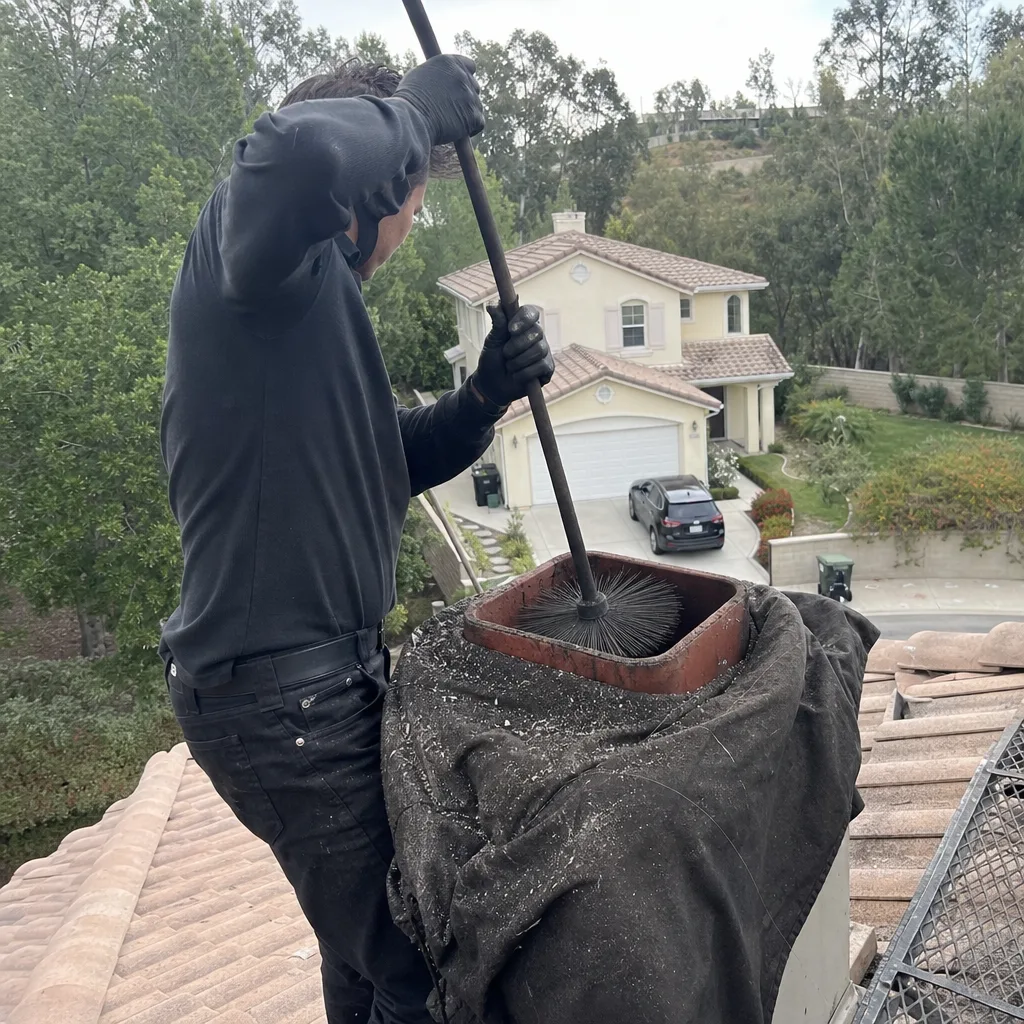
Level 1 sweep and inspection to the NFPA 211 annual standard - flue, crown, cap, and flashing checked and photographed
Chimney sweep logs do not sweep chimneys. They loosen some creosote - which then falls where a brush and vacuum still have to collect it.
Chimney Cleaning Permits, Codes & Inspections in Valencia, CA: What You Need to Know
Most homeowners in Valencia assume a chimney sweep needs some official stamp of approval before touching their fireplace. The truth is messier and more interesting than that. A routine cleaning is almost never a permit event in California. But the moment that sweep turns into a repair, a reline, or a firebox rebuild, you’ve crossed into territory where Los Angeles County building officials actually care, and where unpermitted work can quietly become your problem years later when you sell the house. This guide explains where those lines sit in Valencia and how to protect yourself without paying for permits you genuinely don’t need.
Styles & brands we work with
- Sweep & inspection
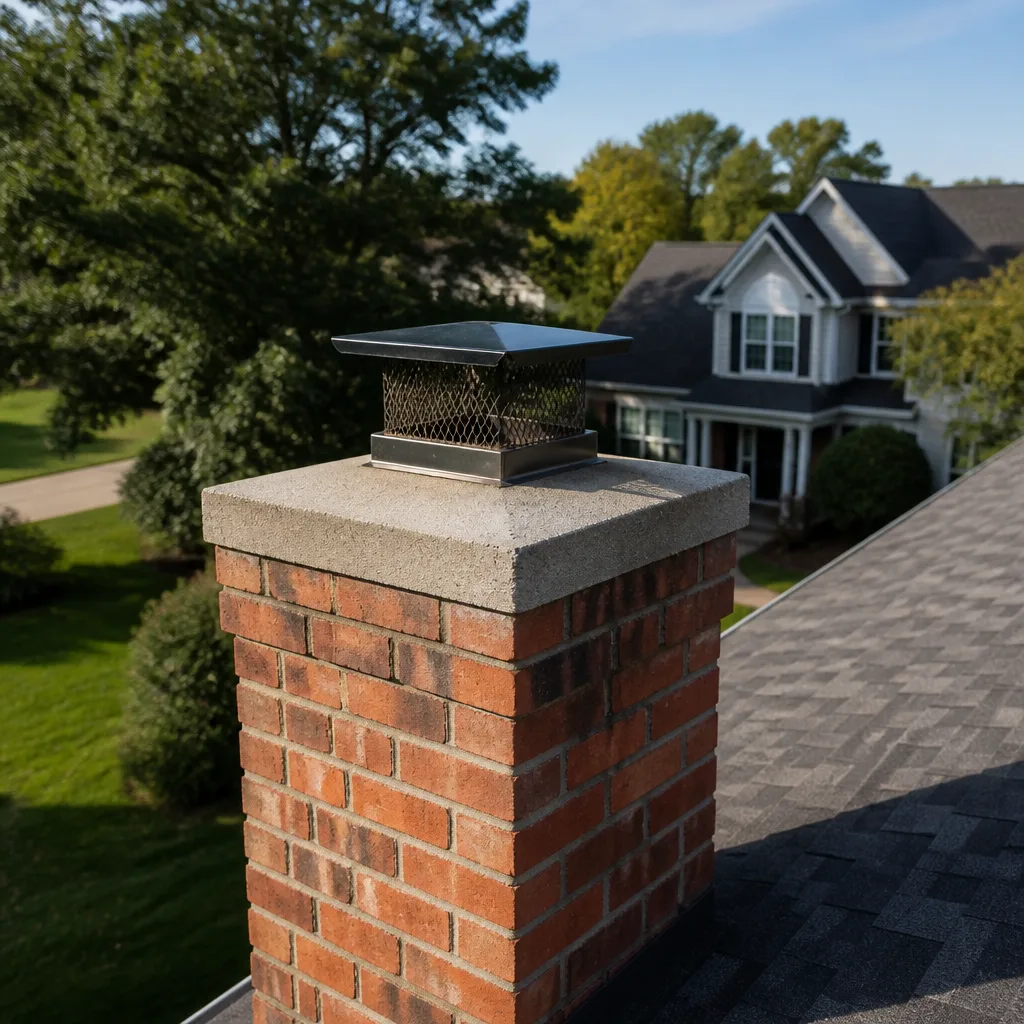
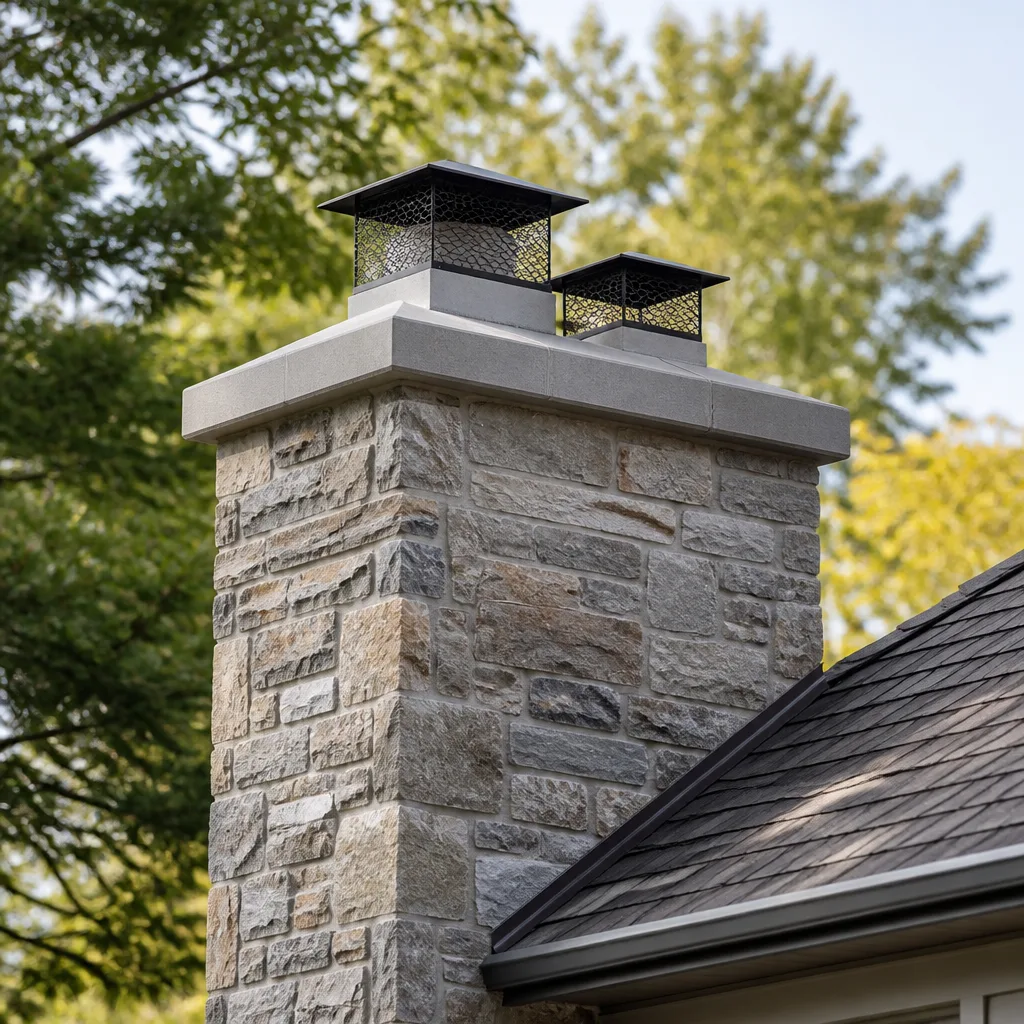
- Caps & crowns
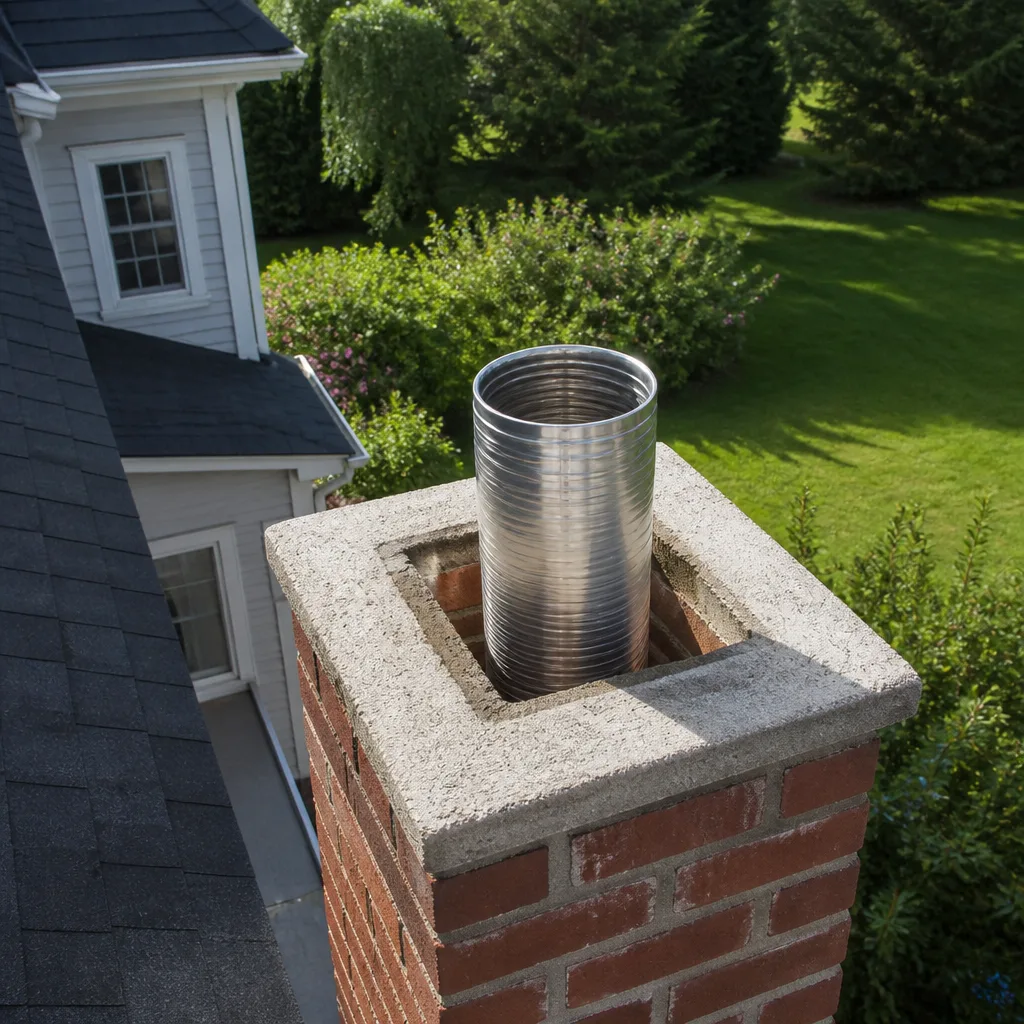
- Flue relining
- Masonry repair
- Gas fireplace service
Quick Answer
Routine chimney sweeping and basic inspections in Valencia do not require a building permit in nearly all residential cases. What does require a permit under Los Angeles County building codes is structural work: relining a flue, rebuilding a firebox, altering the chimney’s exterior structure, or changing how an appliance vents. The practical rule is simple: if the job only cleans or inspects what’s already there, no permit. If the job changes, replaces, or restores a structural component, ask your contractor to confirm the permit requirement in writing before work starts.
Table of Contents
- When a Chimney Permit Is Actually Required in Valencia
- What’s Permit-Exempt: Routine Sweeps and Level 1 Inspections
- NFPA 211, LA County Code, and What a Level 2 Inspection Triggers
- Relining, Firebox Work, and Venting Changes: The Real Permit Threshold
- Unpermitted Chimney Work at Resale: California Disclosure Reality
- How to Verify Your Contractor Is Pulling Permits When Required
- Valencia Housing Stock and Why Chimney Scope Differs by Neighborhood
- What a Permitted Chimney Inspection Actually Covers
- Common Mistakes to Avoid
- When to Call a Professional
- Frequently Asked Questions
- The Bottom Line
When a Chimney Permit Is Actually Required in Valencia
Valencia sits within unincorporated Los Angeles County for some areas and within the City of Santa Clarita for others, but the chimney permit logic is the same across both jurisdictions because both follow California Building Standards Code with local amendments. The threshold that matters is scope, not size. A permit is triggered when the work modifies the chimney’s structure, changes the flue’s material or dimensions, alters how combustion gases exit the house, or reconstructs any load-bearing component of the fireplace assembly.
In plain terms, here is what crosses the permit line in Valencia:
- Flue relining with a product like DuraFlex changes the interior dimensions and material of the flue, which is a code-relevant modification
- Firebox rebuilding or firebrick replacement that goes beyond surface patching reconstructs a fire-rated assembly
- Chimney crown reconstruction or exterior masonry repair that alters the structure affects the weatherproofing and structural integrity of the stack
- Changing a wood-burning fireplace to gas or altering the venting configuration modifies the combustion system and requires code review
- Installing a new fireplace insert or stove that ties into the existing flue changes the appliance and its venting relationship
What does not require a permit is equally clear. Sweeping the existing flue, removing creosote deposits, conducting a visual inspection, sealing minor cracks with a surface product, and replacing a damper or cap that bolts onto the existing structure are all maintenance activities. These fall outside the building permit requirement because nothing structural changes. The problem we see repeatedly in Valencia is that some contractors blur this line, calling a resurfacing job “maintenance” when it actually qualifies as a liner modification.
One more nuance that matters here. Some Santa Clarita Valley tract homes built in the 1980s and 1990s have prefabricated metal chimneys rather than traditional masonry. The permit rules for these systems differ slightly, because “relining” a factory-built chimney is generally not allowed under code in the first place. You repair or replace the listed system, and replacement is structural. If you own one of the thousands of Valencia tract homes with a factory-built fireplace, any repair conversation should start with a Level 2 inspection, not an estimate.
What’s Permit-Exempt: Routine Sweeps and Level 1 Inspections
A standard chimney sweep is the bread-and-butter maintenance service for a wood-burning fireplace, and it does not require a permit anywhere in Los Angeles County. The sweep removes accumulated creosote, soot, and debris from flue walls using brushes sized to the existing liner. Nothing is modified, replaced, or structurally altered. Because the chimney’s condition at the end of the job is functionally identical to its condition at the start, minus the flammable deposits, building departments classify it as routine maintenance.
A Level 1 inspection is equally permit-exempt. This is the visual examination that happens alongside a sweep. The technician checks the accessible portions of the fireplace, the flue from top and bottom, and the basic condition of the damper, cap, and masonry. The purpose is to confirm the system is safe to keep using as-is. No code violation triggers a permit for the inspection itself.
Here’s the distinction that matters. If the Level 1 inspection finds something that needs repair, the sweep itself still needed no permit, but the repair might. A good technician will flag that distinction immediately and tell you whether the recommended fix crosses into structural territory. That’s the moment where our repair capability as a full-service chimney sweep company in Valencia becomes relevant: we can tell you during the same visit whether the issue is maintenance or structural, and whether a permit is part of the path forward.
For dryer vents, the logic is similar. Dryer vent cleaning is a maintenance service, no permit required, regardless of how long it’s been since the vent was last cleaned. The only time a dryer vent job interacts with the permit world is if the vent routing itself is being changed, which occasionally happens when homeowners finish a laundry room or move the dryer location.
NFPA 211, LA County Code, and What a Level 2 Inspection Triggers
NFPA 211 is the National Fire Protection Association standard for chimneys, fireplaces, vents, and solid fuel-burning appliances. It is not itself a law, but Los Angeles County and the City of Santa Clarita adopt it by reference into local fire code, which makes its provisions enforceable during permitted work and property transactions. This is the standard that defines what a “Level 2 inspection” is and when one is required.
A Level 2 inspection is more involved than the Level 1 visual check. It includes everything in Level 1 plus access to attic, crawlspace, and roof areas, and it typically uses a video camera to document the interior of the flue. NFPA 211 requires a Level 2 inspection in specific situations:
- When the property is being sold or transferred
- When the chimney system is changed, such as switching fuel type
- After a chimney fire, earthquake, or weather event that may have damaged the system
- When the appliance or flue configuration is modified
The interaction between NFPA 211 and local code is where Valencia homeowners get confused. A Level 2 inspection never triggers a permit by itself. It is an evaluation, not construction. But the findings of a Level 2 inspection often reveal conditions that require permitted repair work. For example, if the camera shows cracked flue tiles, spalling masonry, or a deteriorated mortar joint that compromises the flue’s gas-tightness, the recommended fix (a HeatShield resurfacing or a full reline) is a structural modification that falls under the permit umbrella.
In practice, insurance companies and real estate transactions in Valencia drive more Level 2 inspections than homeowners realize. If you’re buying a home in the area, your inspector will likely reference the condition of the fireplace and flue. If questions come up, the lender or insurance carrier may request a Level 2 inspection from a qualified chimney professional. That inspection report is also the document that tells you whether the house you’re buying has unpermitted chimney repairs in its history, because the camera doesn’t lie about what’s inside the flue.
Relining, Firebox Work, and Venting Changes: The Real Permit Threshold
If there is one sentence to remember from this guide, it’s this: anything that changes the flue’s inner surface, reconstructs the firebox, or alters the venting path is structural, and structural means permit-possible. This is where “we don’t pull permits for this” from a contractor becomes either an accurate statement or a liability transfer, depending on the job.
Relining a chimney with a flexible stainless steel system like DuraFlex falls into the permitted category. The old liner, whatever its condition, is being bypassed or removed, and a new liner with different dimensions and material properties is installed. That is a code-governed modification. Los Angeles County building officials will want to see that the liner is appropriately sized for the appliance it serves, that clearances are maintained, and that the installation meets UL listing requirements. A properly permitted reline is defensible at resale. An unpermitted one, even if the work itself was done well, becomes a disclosure problem.
Firebox work follows the same logic. Repointing a few loose firebricks or sealing a hairline crack is maintenance. Rebuilding the firebox walls, replacing the firebrick lining, or reconstructing the smoke chamber is structural. In many Valencia homes built in the 1990s and 2000s, fireboxes are still in serviceable condition, but in older properties throughout the Santa Clarita Valley, age and heavy use have taken a toll. When we perform firebox repairs, we use professional-grade refractory materials and we will tell you plainly whether the scope crosses into permit territory before we write the estimate.
Venting changes are the third category that triggers review. Converting a wood-burning fireplace to gas, installing a gas insert, or modifying how an appliance vents through the roof or side wall all change the combustion system. These jobs require the same level of code scrutiny as relining, and for good reason: a venting error is a carbon monoxide risk, and the building department exists in part to catch those before they become a problem.
One product category worth understanding here is HeatShield. HeatShield is a ceramic flue resurfacing system that restores the interior of a damaged flue without a full tear-out and rebuild. In many cases, it can bring a deteriorated flue back to code-compliant condition at substantially less cost than a complete rebuild. Whether the HeatShield application requires a permit depends on how the product is being used. When it is applied as a resurfacing layer to restore the existing flue’s integrity, it is generally treated as a repair that falls within the existing structure’s permit umbrella, which means the local jurisdiction may still want to review it. We handle this case by case and we’ll tell you the answer for your specific chimney before we begin.
Unpermitted Chimney Work at Resale: California Disclosure Reality
California law requires sellers to disclose material facts about a property that could affect its value or desirability. Unpermitted structural work, including chimney repairs that should have been permitted, sits squarely inside that disclosure obligation. If a previous owner relined a flue or rebuilt a firebox without pulling the required permit, and that fact is discovered during escrow, the deal can stall, the price can drop, or the transaction can collapse entirely.
The disclosure process in Valencia works like this. When you list a home, you complete the Transfer Disclosure Statement and the Seller Property Questionnaire. Both ask whether any work was performed without permits. If you answer honestly and disclose the unpermitted chimney work, the buyer may ask for a price reduction, request that the work be retroactively permitted, or require repairs as a condition of closing. If you fail to disclose and the buyer later discovers the issue, you can face liability after the sale.
The practical problem with unpermitted chimney work is that it’s often invisible until a Level 2 camera inspection happens. A flue liner installed without a permit can look fine from the outside. But the camera sees what’s inside, and an inspector who knows what to look for can spot installation shortcuts, incorrect sizing, or clearance violations. When that happens in escrow, the seller is in a weak negotiating position, because the buyer now has evidence of a problem the seller either caused or failed to catch.
From our perspective in Valencia, the lesson is economic, not philosophical. A permit adds a few hundred dollars and some weeks to a reline or firebox rebuild. An unpermitted repair discovered at resale can cost many times that in price concessions, repair demands, or deal collapse. If a contractor tells you the permit isn’t needed, our advice is to ask for that in writing and keep it. And if the contractor is wrong, you’ll have the documentation that you relied on professional advice, which matters if questions ever come up in a future transaction.
How to Verify Your Contractor Is Pulling Permits When Required
This section matters because the homeowner, not the contractor, carries the long-term liability for unpermitted work. A contractor who skips the permit process walks away after the final payment. The unpermitted chimney repair remains attached to the property and becomes your disclosure obligation later. So verification is not optional. Here is the process we recommend for Valencia homeowners.
- Ask the direct question before signing anything. “Does this job require a permit, and will you pull it?” Get the answer in writing, ideally on the estimate or in a follow-up email.
- Know which agency issues the permit. For homes in the City of Santa Clarita, it’s the city’s Building & Safety division. For homes in unincorporated Los Angeles County areas of Valencia, it’s LA County Building and Safety. Your contractor should be able to name the correct agency without hesitating.
- Request the permit number once issued. Permitted jobs generate a permit number that you can look up. If the contractor can’t produce one for a job they said needed a permit, that’s a problem.
- Ask whether an inspection will be required. Most structural chimney work in LA County requires at least one field inspection before the building department signs off. A contractor who says a permitted reline involves no inspection is cutting corners somewhere.
- Keep the finaled permit with your home records. When the job is complete and the inspection is signed off, make sure you receive a copy of the finaled permit. That document is your proof of compliance at resale.
We handle permit verification as part of our estimate process when a job crosses into structural territory. Our team works with professional-grade brands like Gelco and Olympia Chimney, and we document our installations because we know those records matter years down the road. If you’re comparing chimney contractors in Valencia, the permit conversation is one of the fastest ways to sort the professionals from everyone else. Someone who gets defensive or vague about permits is telling you something useful about how the rest of the job will go.
Valencia Housing Stock and Why Chimney Scope Differs by Neighborhood
Valencia’s housing is not uniform, and neither are its chimneys. The master-planned communities that define this part of the Santa Clarita Valley were built in waves, and each wave came with different fireplace technology and different chimney systems. Understanding what you have is the first step in understanding what rules apply to it.
The older neighborhoods, many built in the 1970s and 1980s, tend to have traditional masonry chimneys with clay tile liners. These are the chimneys that develop the classic problems: cracked tiles, eroding mortar, and spalling brick. They are also the chimneys most likely to need structural work, which means they are the most likely to cross into permit territory. If you own one of these homes and the fireplace hasn’t been inspected in years, a Level 2 camera inspection is the right first step.
The newer developments, including much of the housing built from the 1990s onward, feature factory-built fireplace systems with metal flues. These chimneys are lighter, less expensive to install, and generally easier to maintain, but they have their own limitations. You can’t reline a factory-built chimney with a standard liner system. If it deteriorates, you replace the listed system, and replacement is unquestionably structural. Our DuraFlex liner expertise is directed primarily at homes with traditional masonry chimneys, because that’s where relining is a viable and code-appropriate solution.
The SCV’s warm, dry climate also shapes how chimneys age here. Valencia doesn’t see freeze-thaw cycles, snow load, or the kind of winter weather that stresses masonry chimneys in colder parts of the country. What the climate does provide is long, hot summers and wildfire season concerns. A neglected chimney with creosote buildup isn’t just a chimney fire risk in the winter; it’s also a spark source concern during the dry months when embers from a wood fire can exit the flue and land on dry vegetation or roofing material. The chimney safety conversation in Valencia is tied to the broader fire safety culture of the region.
What a Permitted Chimney Inspection Actually Covers
When a chimney repair is pulled under permit in Valencia, the building department typically requires at least one inspection of the work. Understanding what that inspector is looking at helps homeowners see the permit process as what it is: a code compliance verification, not a bureaucratic hurdle.
The inspection scope for a typical chimney repair or reline includes the following:
- Flue sizing and clearance. The inspector verifies that the new liner or flue configuration is sized correctly for the appliance it serves and that required clearances to combustible framing are maintained.
- Fireblocking and drafting. The inspector checks that fireblocking materials are correctly installed at the points where the chimney passes through floors or the roof.
- Structural attachment. For relines, the inspector confirms that the liner is properly connected and supported through its vertical run.
- Appliance connection. The point where the fireplace or insert connects to the flue is examined for proper attachment and sealing.
- Cap and termination. The inspector verifies that the chimney cap and termination are properly installed and that the rain cap is code-compliant.
For work involving HeatShield resurfacing, the inspection focuses on whether the ceramic sealant has been applied to code and whether the restored flue surface meets clearance and integrity requirements. For DuraFlex liner installations, the inspector verifies the liner’s listing, the termination kit, and the connection to the appliance. These are not cosmetic checks. They are the enforcement mechanism that keeps unpermitted installation shortcuts from becoming carbon monoxide hazards.
The inspection process also creates the paper trail that protects you at resale. A finaled permit means the jurisdiction reviewed and approved the work. That’s a different level of assurance than a contractor’s verbal guarantee, and it’s one of the reasons we recommend pulling permits whenever the scope calls for it, even in cases where the homeowner’s first instinct is to avoid the cost and delay.
Common Mistakes to Avoid
- Assuming all chimney work is the same before the law. Sweeping and structural repair are treated completely differently by building departments. A homeowner who assumes a reline needs no permit because a sweep needed no permit is making a category error with real consequences.
- Taking a contractor’s “we don’t pull permits for this” at face value. Some contractors avoid permits because the process costs time and money. Others avoid permits because their work wouldn’t pass inspection. Either way, the homeowner absorbs the risk. Ask for the permit determination in writing.
- Confusing a Level 2 inspection with a permit event. An inspection is never permit-triggering by itself. But when the inspection reveals structural damage, the recommended repair may require a permit. Knowing the difference keeps homeowners from either panicking unnecessarily or dismissing a legitimate permit requirement.
- Relining a factory-built chimney as if it were masonry. Valencia has thousands of factory-built fireplace systems, and they are not designed to be relined with flexible metal liners. Attempting this modification without understanding the system’s listing is both a code violation and a safety hazard.
- Failing to keep permit records for future sales. A finaled permit is a document that protects the seller years after the work is done. Losing it means the work might as well be unpermitted when the disclosure question comes up.
- Skipping the chimney inspection because the fireplace hasn’t been used recently. Even a dormant chimney can have structural problems, animal nests, or deteriorated components. And Valencia’s long dry season means an unused chimney can still be a fire pathway if it’s not properly maintained.
- Using a cleaning-only company for a repair-discovery situation. A sweep who finds a problem but can’t fix it leaves the homeowner to start the contractor search over. That’s a structural inefficiency, and it’s one of the reasons full-service chimney companies exist in the first place.
When to Call a Professional
If you haven’t had your chimney inspected in the past year and you use your fireplace regularly, the time to schedule a sweep and Level 1 inspection is before the next burning season. If you’ve recently bought a home in Valencia and the fireplace’s service history is unknown, a Level 2 camera inspection is the right starting point. And if you’ve been told your chimney needs a reline, firebox rebuild, or venting modification, you need a contractor who understands both the repair work and the permit process that goes with it.
Chimney Sweep Valencia offers free estimates in Valencia and the surrounding Santa Clarita Valley. Call (866) 472-5217. We answer 24/7. Fast dispatch from 7am to 7pm, Sunday through Friday.
Frequently Asked Questions
No. A routine chimney sweep that removes creosote and soot from the existing flue without modifying any structural component is classified as maintenance and does not require a building permit anywhere in Los Angeles County. The sweep is covered by the same permit exemption that applies to gutter cleaning, HVAC filter changes, and other routine maintenance tasks.
Flue relining, firebox reconstruction, chimney crown rebuilding, and any modification to how an appliance vents all require a building permit in LA County because they change structural components or alter the combustion gas pathway. If the repair only restores the existing system to its original condition without changing dimensions, materials, or configuration, it may still qualify as maintenance, but the determination should come from your contractor in writing.
A Level 2 inspection is a more comprehensive evaluation that includes camera documentation of the flue interior, access to attic and crawlspace areas, and examination of the chimney’s exterior from the roof. It’s typically required for real estate transactions, after chimney fires, or when the system is being modified, and it provides the detailed condition report that determines whether structural repairs are needed.
Yes, it can be a significant problem. California disclosure law requires sellers to reveal unpermitted structural work, and a buyer who discovers unpermitted chimney repairs during inspection can negotiate a price reduction, demand retroactive permitting, or walk away from the deal entirely. The permit cost you avoided years ago becomes a much larger expense at resale.
Generally no. Factory-built fireplace systems are engineered as complete listed assemblies, and modifying their flue with a standard flexible metal liner typically voids the listing and creates a code violation. If a factory-built system has deteriorated, the correct repair is replacement of the listed components, not relining.
NFPA 211 itself is a standard, not a law, but it’s adopted into the local fire code and serves as the technical reference for chimney work. It defines inspection levels and maintenance requirements, but it does not independently trigger permits. The permit obligation comes from the structural scope of the specific repair, not from the inspection standard itself.
The Bottom Line
Chimney permitting in Valencia follows a logical line: maintenance is unpermitted, structural work is permitted, and the difference between the two is usually determined by whether the flue, firebox, or venting path is being changed. Knowing where that line sits protects you from both unnecessary permit costs and expensive disclosure surprises at resale. A routine sweep needs no permit. A reline, firebox rebuild, or venting change probably does. When in doubt, ask the question in writing and expect a clear answer. If you’re scheduling a sweep or facing a repair decision in Valencia, call (866) 472-5217 for a free estimate. We answer 24/7. Fast dispatch from 7am to 7pm, Sunday through Friday.
Written by the team at Chimney Sweep Valencia, serving Valencia since 2012.
See the difference
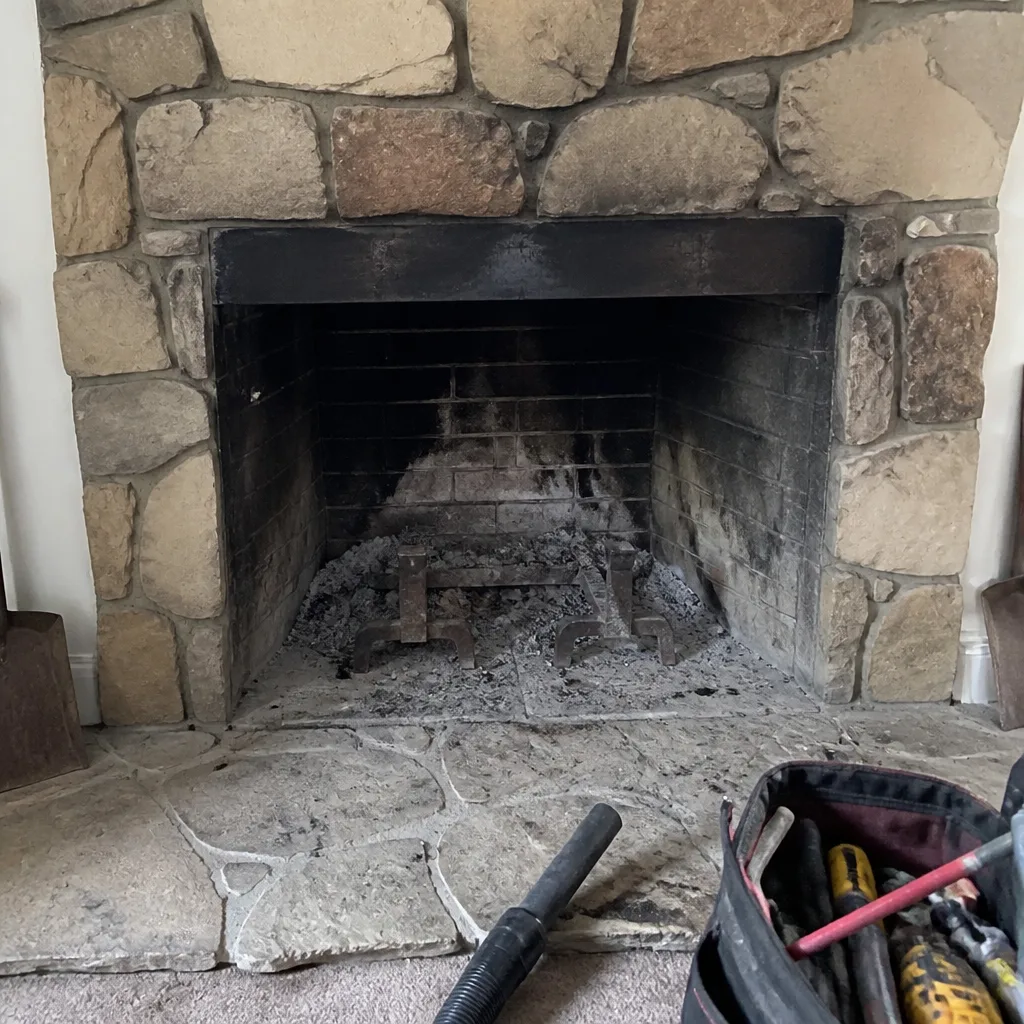 Before
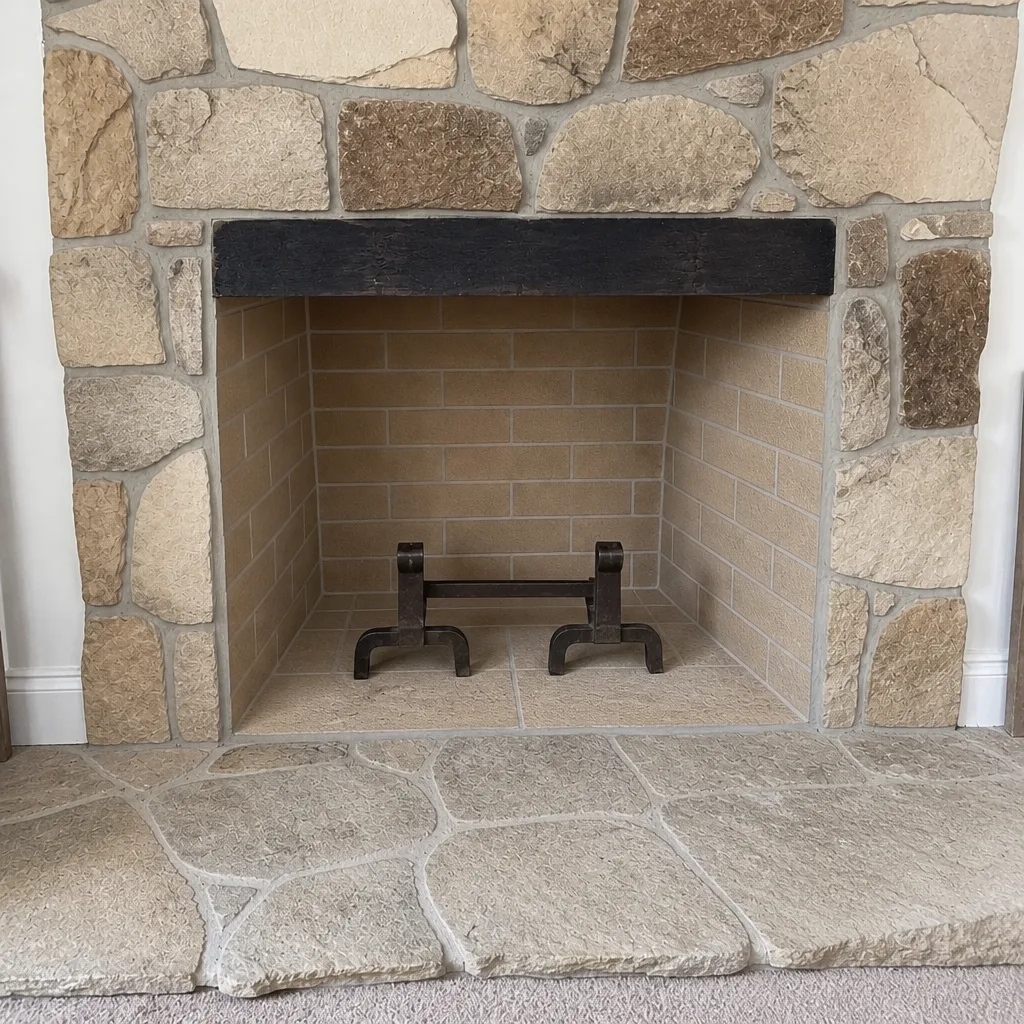 After
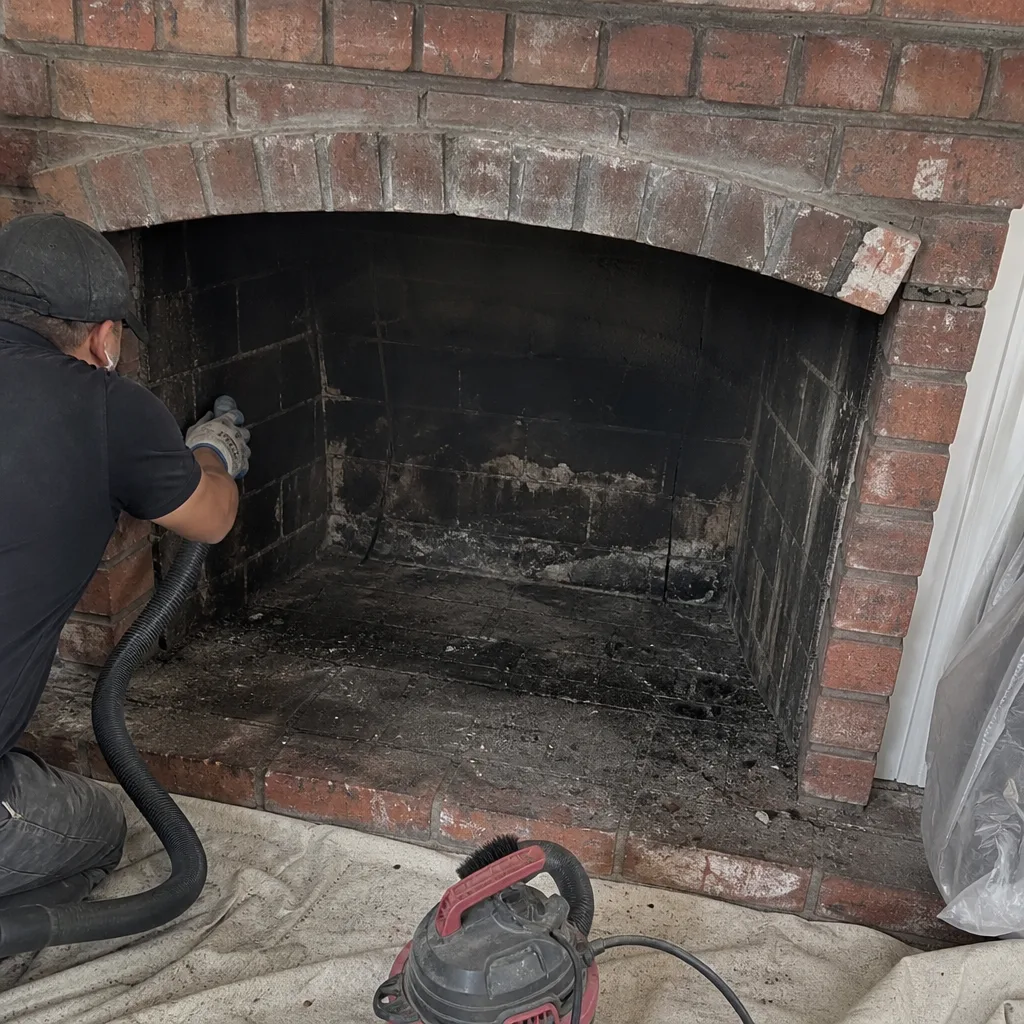 Before
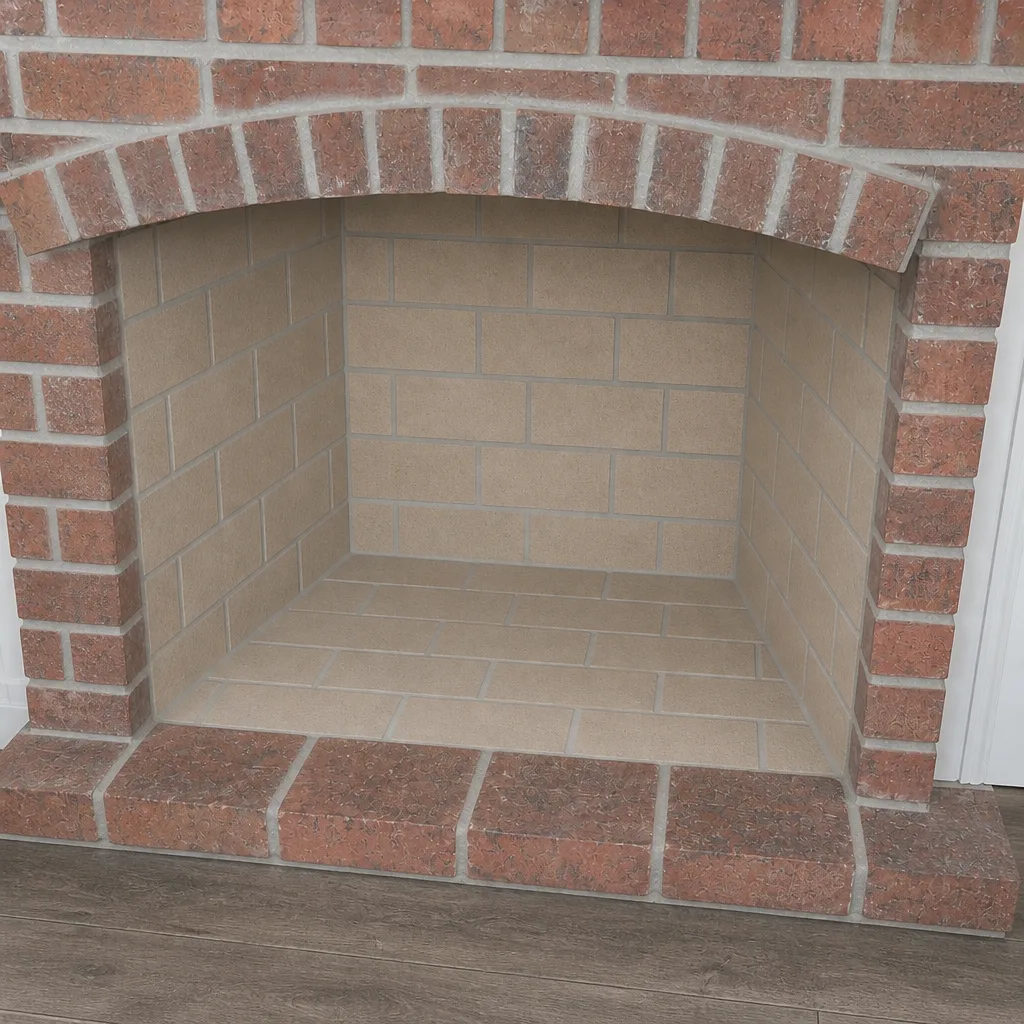 After
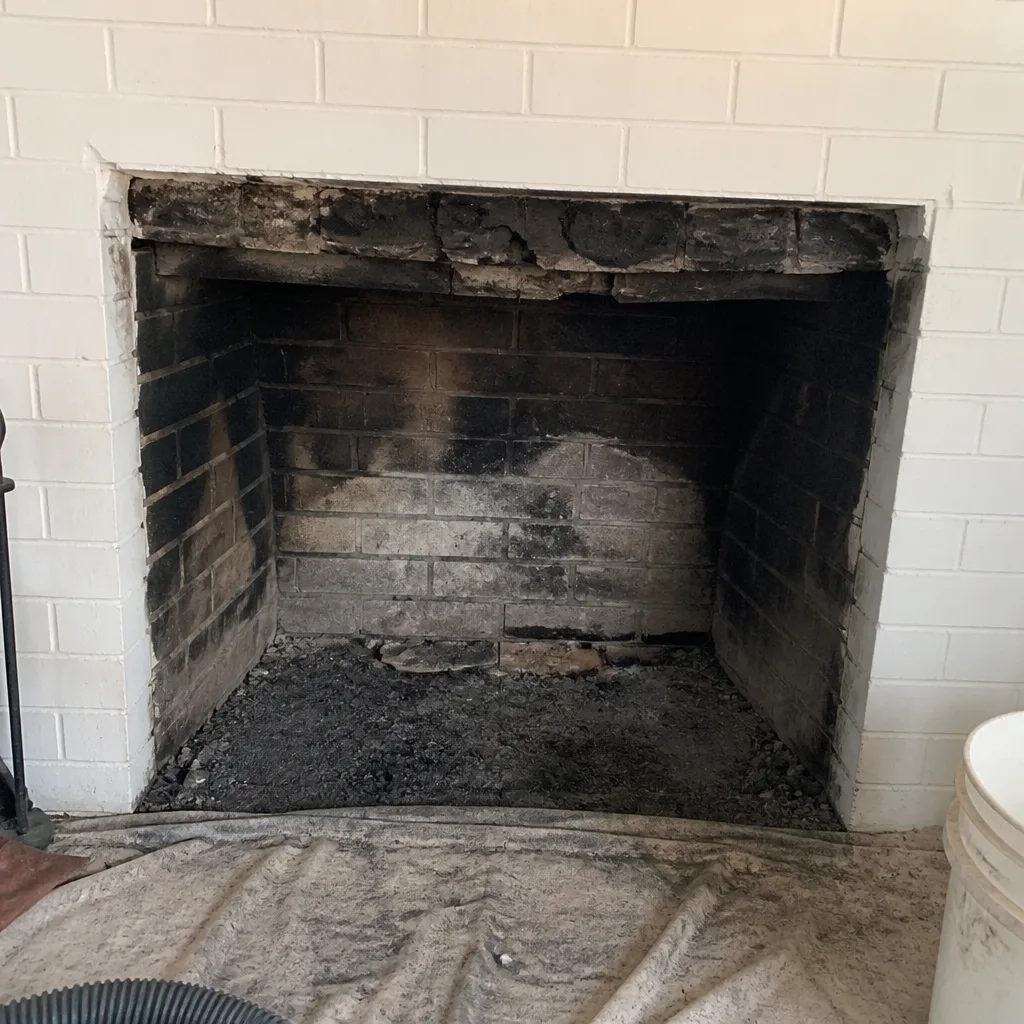 Before
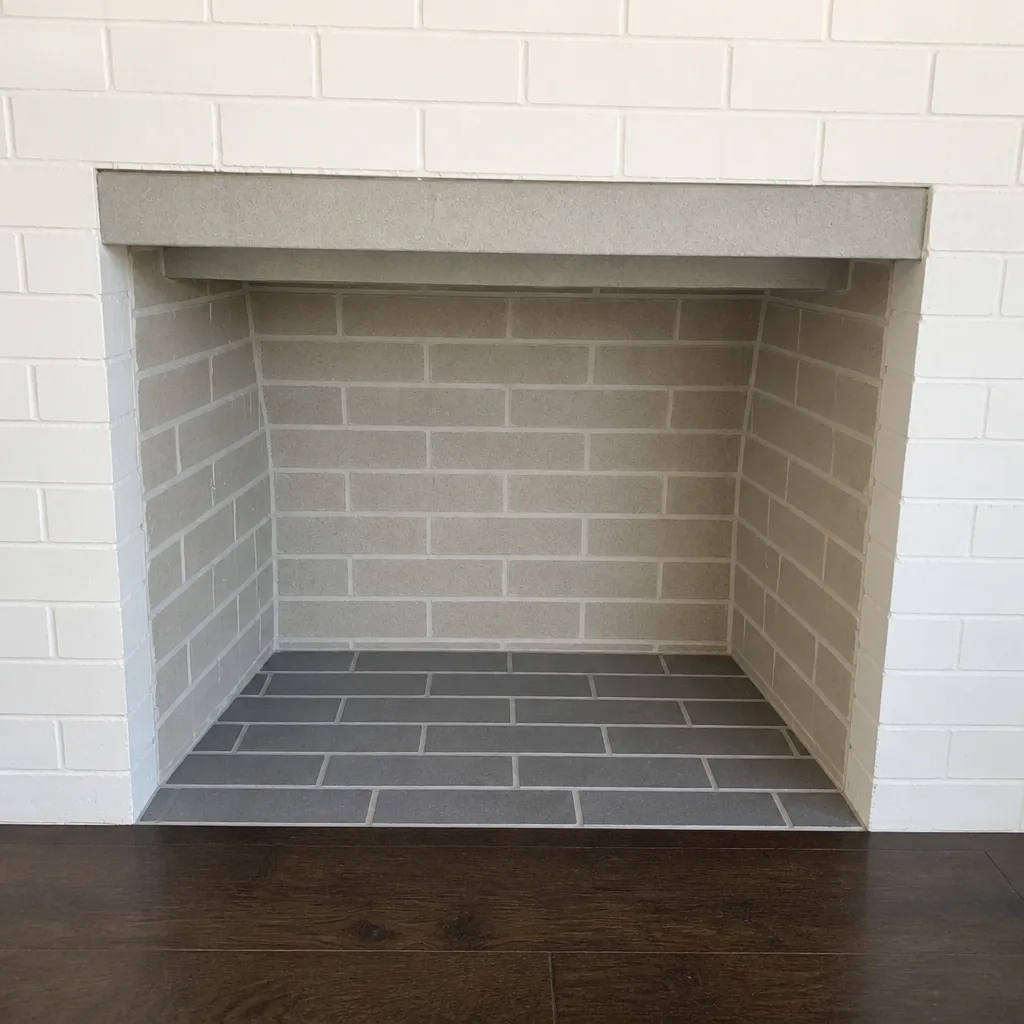 After