
Last updated November 4, 2026
 Sweep & inspection
 Caps & crowns
 Flue relining
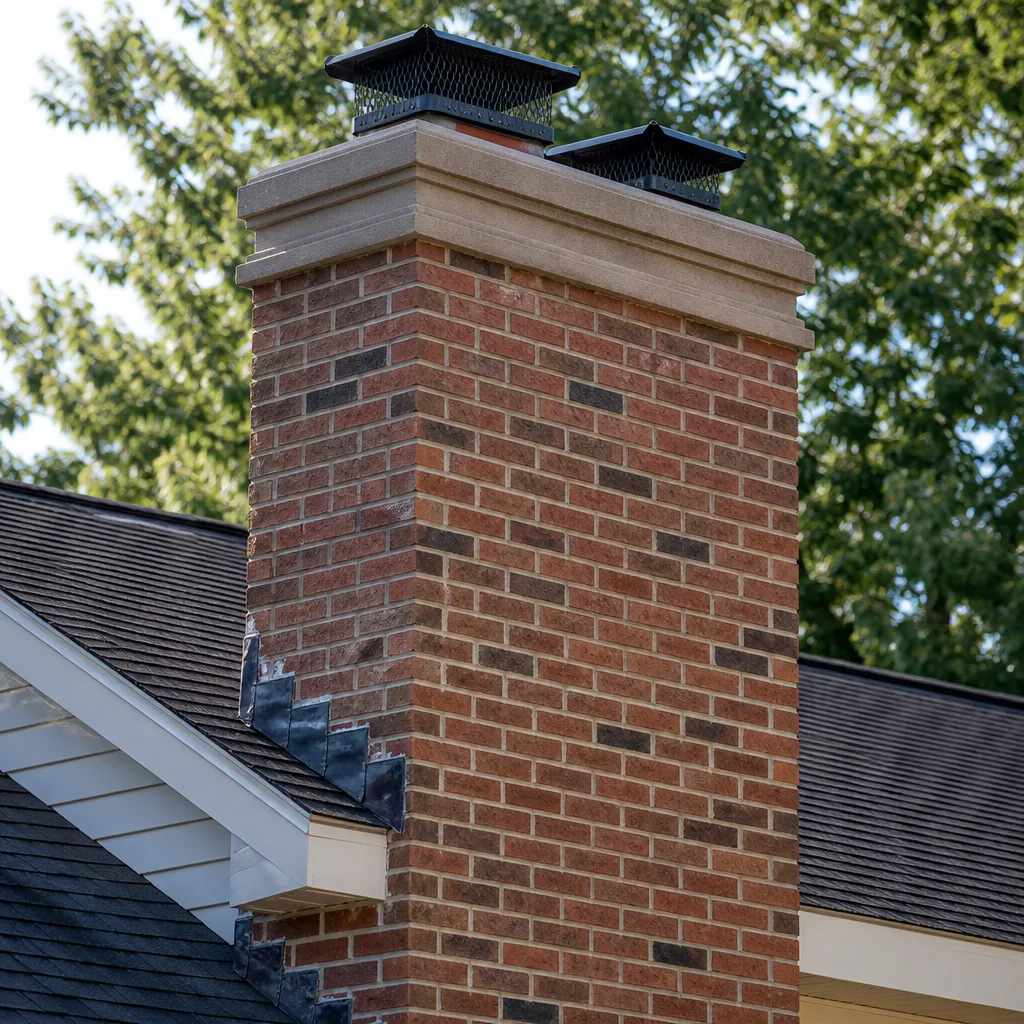 Masonry repair
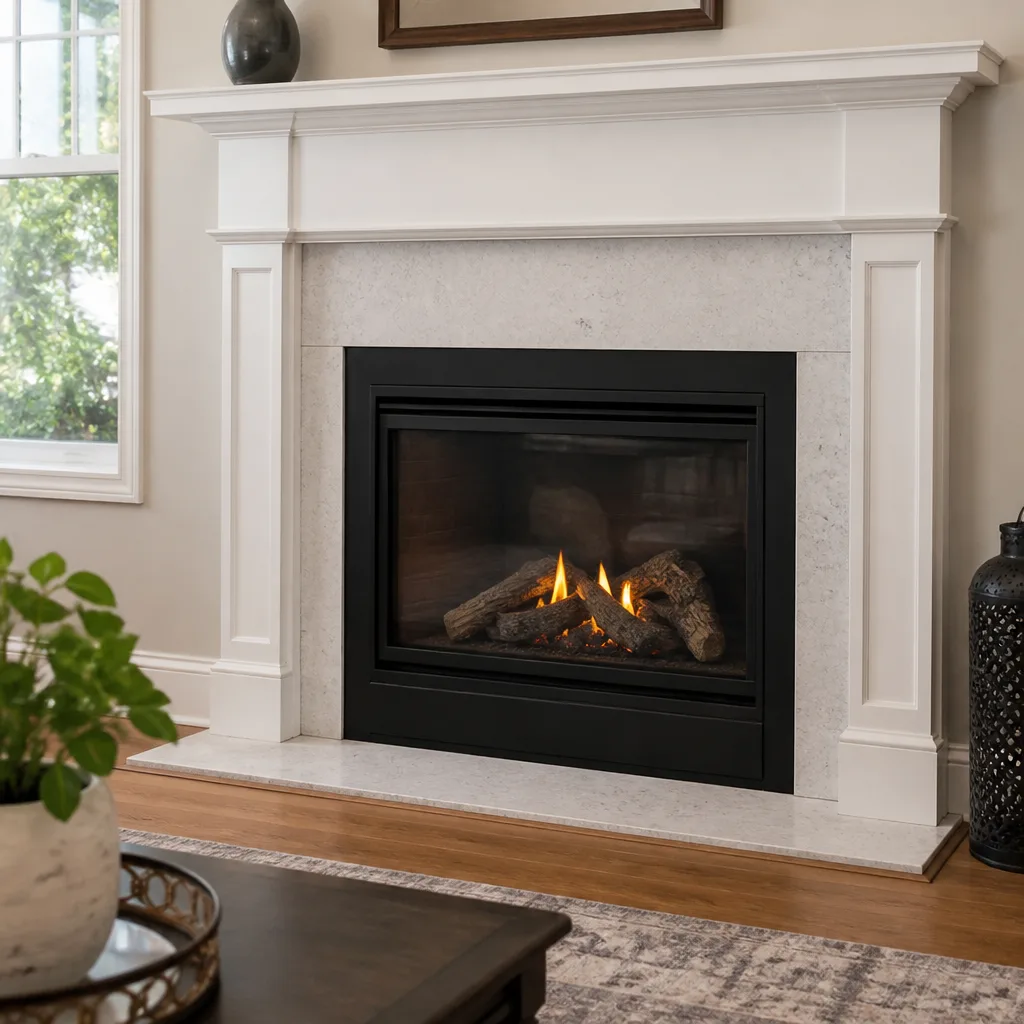 Gas fireplace service
Level 1 sweep and inspection to the NFPA 211 annual standard - flue, crown, cap, and flashing checked and photographed
Chimney sweep logs do not sweep chimneys. They loosen some creosote - which then falls where a brush and vacuum still have to collect it.
Chimney Sweep Maintenance Checklist for Valencia Homeowners
The standard advice to sweep your chimney once a year was written for households burning cord after cord of hardwood through a Midwest winter. Many Valencia homeowners use gas logs, burn fewer than fifteen fires a season, or have a direct-vent insert that never sees a real wood fire at all. Following a one-size-fits-all schedule means some chimneys get cleaned that don’t need it, while others accumulate creosote or hidden damage that goes unnoticed because nobody thought to look. This guide gives Valencia homeowners a maintenance checklist built around how chimneys here actually age: mild winters, occasional earthquakes, wildfire ember exposure, and venting systems that differ from the old masonry fireplaces most checklists assume.
Styles & brands we work with
- Sweep & inspection
- Caps & crowns
- Flue relining
- Masonry repair
- Gas fireplace service
Quick Answer
A chimney sweep maintenance checklist for Valencia should track fire frequency and fuel type rather than defaulting to an annual cleaning. Most Valencia homeowners burning gas logs or fewer than fifteen wood fires per season need a sweep every one to two years, but they should still inspect the cap, crown, damper, and masonry twice a year because earthquake stress and ember exposure create risks that have nothing to do with how often you burn. A contractor-level inspection with a camera is the only way to verify flue tile condition between cleanings.
Table of Contents
- Owner-Visible Checklist: What to Look at Every Season
- Contractor-Required Inspection: What We Check with a Camera
- How to Log Fire Frequency and Fuel Type
- Earthquake-Specific Masonry Checks for SCV Homes
- Checklist Items for Gas Inserts and Direct-Vent Systems
- Documenting Cap, Spark Arrestor, and Damper Condition
- Common Mistakes to Avoid
- When to Call a Professional
- Frequently Asked Questions
- The Bottom Line
Owner-Visible Checklist: What to Look at Every Season
Twice a year works well in Valencia: once in early fall before burning season starts, and once in late spring after you’ve stopped using the fireplace. These checks take ten minutes and require no tools beyond a flashlight and the willingness to look closely. The point is not to diagnose problems. The point is to notice changes so you know when to call someone who can.
Here is the owner-visible checklist we recommend for Valencia homes:
- Look up at the chimney crown from the ground. The crown is the concrete or mortar slab at the very top. Walk to where you can see it clearly. Cracks wider than a pencil line, missing chunks, or a crown that looks shifted to one side are all reasons to call a chimney contractor. The crown is your first line of defense against water getting into the masonry, and water is the slow killer of Southern California chimneys because it sits in the porous brick and mortar through our dry season after a winter rain.
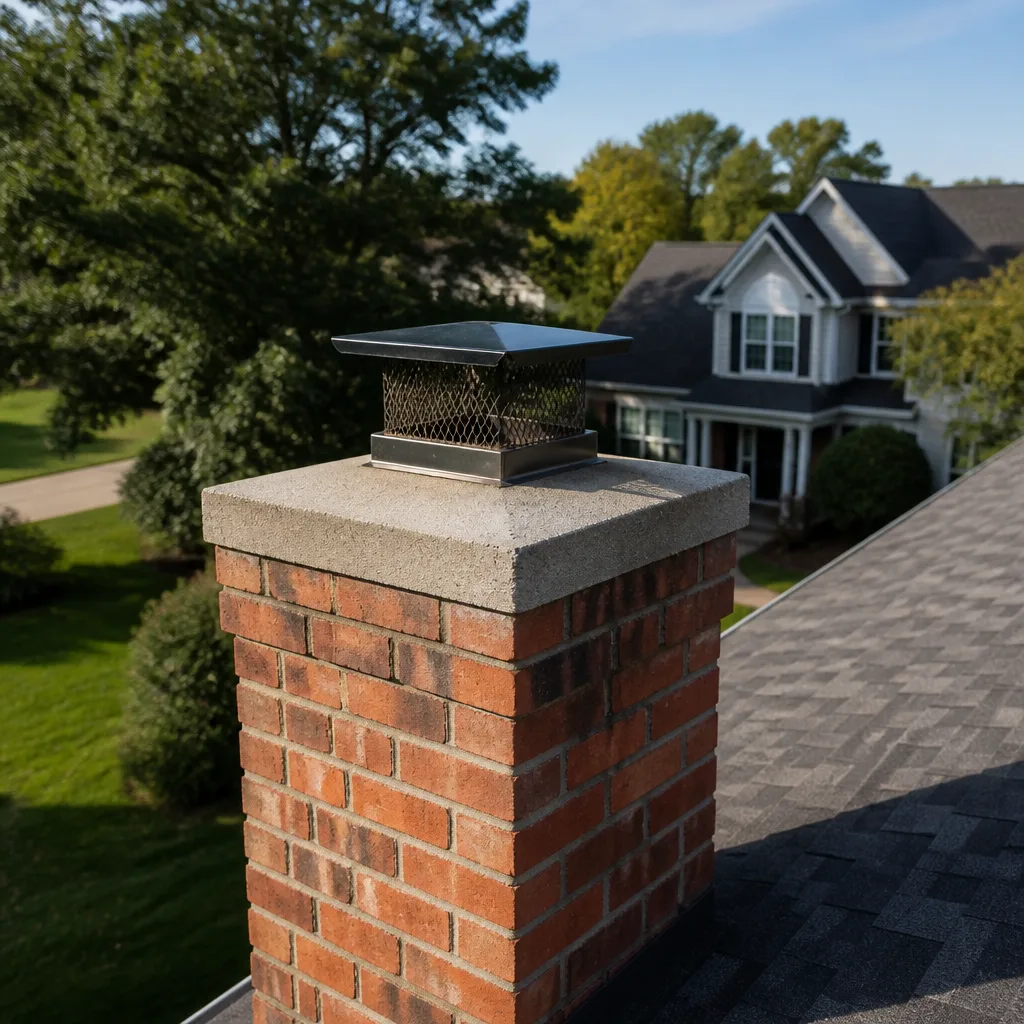
- Check the chimney cap and spark arrestor. Use binoculars if you have them. The cap should sit squarely on top of the flue tile. The spark arrestor screen should be intact, with no holes bigger than a nickel and no sections pulling away from the frame. A damaged spark arrestor matters more in Valencia than in most places: during high-wind red-flag days, embers from nearby brush fires or even your own fireplace can escape through a torn screen and land on dry shake or tile roofing.
- Open and close the damper fully. If you have a traditional throat damper above the firebox, work the handle through its full range. It should move smoothly and stay where you put it. Grinding, stiffness, or a damper that won’t seal fully means it’s time to have it looked at. A damper that won’t close lets conditioned air escape up the flue all summer, and a damper that won’t open fully sends smoke back into the room.
- Shine a flashlight up the flue from inside the firebox. Look for anything that shouldn’t be there: bird nesting material, fallen debris, a visible gap in the flue tiles, or a white, crusty deposit on the tile surface. That white crust is often efflorescence, which means water is moving through the masonry. You’re not looking for a diagnosis; you’re looking for a reason to make a phone call.
- Run your hand along the firebox walls and hearth. Feel for loose brick, crumbling mortar joints, or a hearth that has separated from the firebox floor. Hairline cracks in firebrick are normal after years of heating cycles. Gaps you can fit a quarter into are not.
- Check for staining on the ceiling or walls around the chimney chase. In Valencia’s track-built homes, the chimney is often framed inside a wood chase covered in stucco or siding. Water stains, peeling paint, or a musty smell near the chase means moisture is getting in somewhere, and the most common entry point is a failed chase top or flashing.
None of these items require getting on the roof. In fact, we recommend Valencia homeowners stay off their roofs entirely. Tile roofs are common here in the Santa Clarita Valley, and walking on them cracks tiles and creates new problems. Ground-level and firebox-level checks will catch most developing issues.
Contractor-Required Inspection: What We Check with a Camera
Some parts of a chimney cannot be inspected from the ground or the firebox. The flue interior, the smoke chamber, and the connection between the fireplace and the flue all require tools and a trained eye. This is where a professional chimney sweep in Valencia earns their fee, and it’s the part of the checklist most homeowners never see because they’ve only ever hired a cleaning service that brushes the flue and leaves.
A contractor-level inspection at Chimney Sweep Valencia includes these steps, in order:
- Flue camera scan. We run a video camera through the entire flue from top to bottom, or bottom to top depending on the setup. The camera shows us the condition of every flue tile joint, the smoothness of the tile surface, and any hidden cracks, separations, or blockages. Valencia homes built in the 1980s and 1990s often have clay tile liners that are now forty years old and showing their age, even if the fireplace was rarely used. An unused flue still gets hot on the roof in summer, still absorbs moisture from winter rains, and still shifts when the ground moves.
- Smoke chamber inspection. The smoke chamber is the sloped section above the damper where smoke funnels into the flue. It’s the most common place for creosote buildup in wood-burning fireplaces because the smoke slows down and swirls there. In many SCV-era tract homes, the smoke chamber was parged with a rough mortar that collects creosote faster than it should. We check the parging and note whether it needs resurfacing.
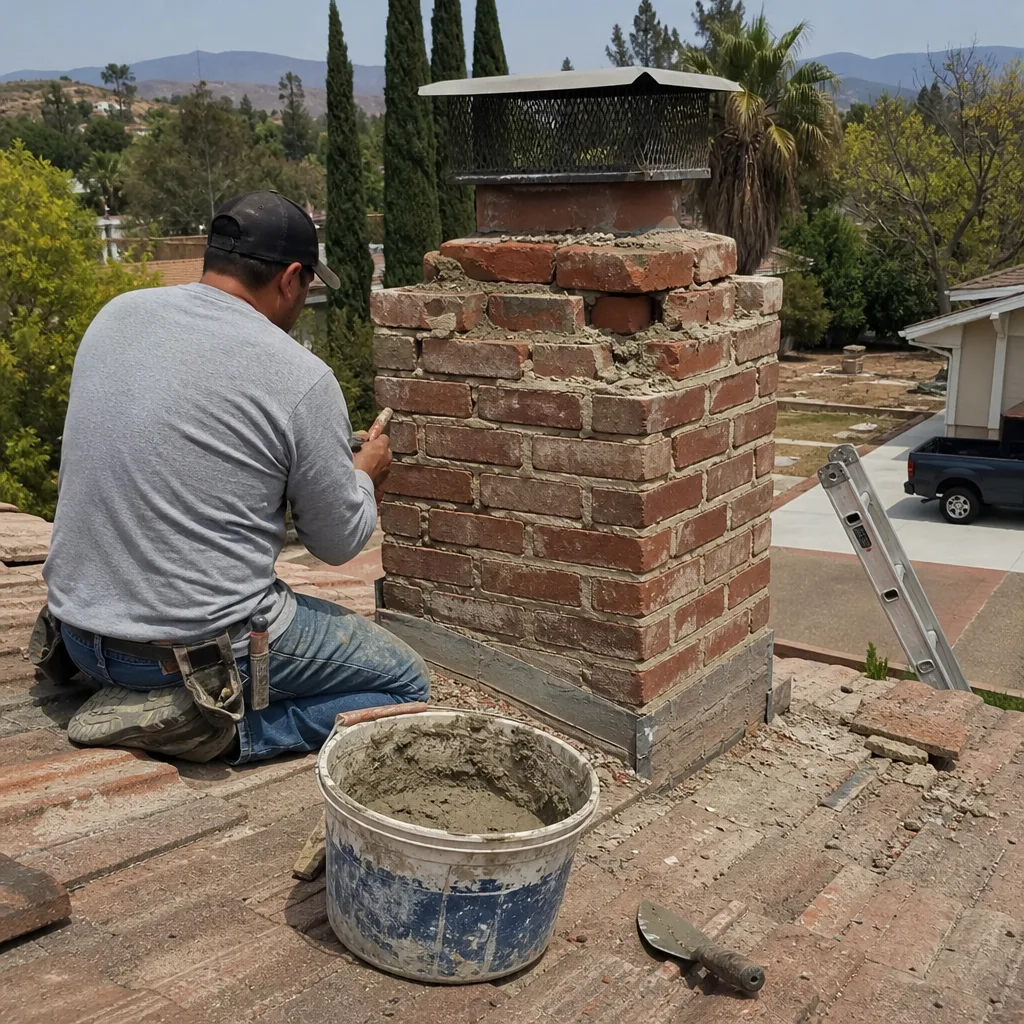
- Flashing and crown condition at roof level. We do get on the roof during a full inspection. We check the flashing where the chimney meets the roofline, the sealant around the cap, and the crown surface itself. Valencia’s dry heat bakes sealant until it cracks and pulls away, even on newer homes. Catching a failed sealant joint early costs a few dollars to fix. Waiting until water has penetrated the chase framing costs real money.
- Clearance verification. We measure the distance between the fireplace and any combustible framing or finishes. Building codes require specific clearances, and some add-on renovations in Valencia homes violate those clearances when someone builds a mantel or built-in shelving too close to the firebox opening.
- Draft test. After the visual inspection, we test how well the chimney draws. A flue that looks clean can still draft poorly if the termination is too low, if a nearby roofline creates negative pressure, or if the home is tightly sealed and starved for combustion air. Valencia’s newer homes are built tighter than older ones, which is good for energy efficiency but sometimes bad for chimney draft.
You receive a written report with photos or video stills of anything we find. You should never pay for a recommended repair without seeing the evidence for yourself. A camera doesn’t lie, and any contractor who won’t show you the footage is asking you to take their word on an expensive problem.
How to Log Fire Frequency and Fuel Type
The single most useful thing a Valencia homeowner can do for their chimney is write down what they burn and how often. Not because a log is necessary for safety, but because it lets a sweep make an accurate cleaning-interval recommendation instead of defaulting to once a year.
Here’s how to keep a simple fire log that actually works:
- Note the date and type of each fire. Wood fire with oak? Wood fire with a store-bought duraflame log? Gas log set turned on for two hours? Each fuel type leaves different residue. A log of twenty gas-log evenings tells us something different than twenty oak fires.
- Estimate the burn duration. Thirty minutes of a small fire and six hours of a hot fire are not the same thing. Write a rough number: “2 hrs, oak” is plenty.
- Record anything you noticed. Smoke spilling into the room when you first light the fire. A smell that lingered after the fire was out. A popping or cracking sound that seemed to come from the chimney rather than the firewood. These notes are more useful to a technician than you’d think.
- Keep the log near the fireplace. A small notebook on the mantel or a note on your phone works fine. The goal is habit, not an elaborate system.
Why this matters: a Valencia homeowner who burns ten pine fires a winter is creating far more creosote than someone who runs a gas log set twice a week. Pine, which is common and cheap in Southern California, burns cooler and dirtier than hardwood. Softwood creosote is stickier and builds up faster. A log of ten pine fires tells us to recommend a sweep before next season. A log of thirty gas-log evenings tells us the flue is probably still clean, but the gas log set itself might need a service check. Without the log, we’re guessing, and a guessing contractor usually recommends the most cautious option, which means you pay for a cleaning you might not need.
The same log helps in the other direction. Some Valencia homeowners burn a cord of mesquite or oak in a season and assume that’s “not much” compared to what they imagine people burn back east. It’s plenty. That’s a chimney that needs a sweep every year, maybe twice a year depending on the wood. Your log tells us the truth.
Earthquake-Specific Masonry Checks for SCV Homes
Valencia sits in a seismically active region, and chimneys are among the first parts of a house to show earthquake damage. Masonry is strong in compression but weak in tension, which means the lateral shaking of a quake can crack mortar joints, shift flue tiles, and separate the chimney structure from the house framing even when the rest of the home looks fine. After any noticeable quake, add these checks to your routine.
Crown cracks. The crown takes the first hit during lateral movement because it’s the highest point and has the most inertia. A hairline crack that existed before a quake may open into a visible gap after one. Look for cracks that follow an irregular path across the crown rather than the straight, even lines of original construction joints.
Mortar joint separation. Inspect the exposed brick or stone on the chimney exterior. Run your eye along the horizontal and vertical joints. Quake damage often shows up as a stairstep crack through the mortar, or as joints that have widened to more than a quarter inch. In Valencia’s older custom homes with real masonry chimneys, this is the most common post-quake finding. In newer tract homes with framed chases, the damage may show up instead as stucco cracks around the chase or a gap between the chase and the roofline.
Flue tile shifts. This is a contractor-only check. When the ground shakes, clay flue tiles inside the chimney can shift out of alignment, breaking the smooth vertical path that carries smoke and hot gases. A shifted tile joint presents two dangers: it creates a ledge where creosote accumulates, and it opens a gap where heat and gases can escape into the chimney cavity or, worse, into the home’s framing. The only way to see this is with a camera scan. If you’ve felt a significant quake, and especially if you noticed new cracks anywhere else in the house, a camera inspection is the responsible next step before you light another fire.
Chimney-to-house separation. In a bad quake, the entire chimney can pull away from the house wall. Look at the gap between the chimney structure and the exterior wall of the home. If you can see daylight through it, or if the gap has widened noticeably, stop using the fireplace and call a contractor immediately. This is a structural issue that affects both the chimney and the weatherproofing of the wall.
We perform post-quake inspections for Valencia homeowners who want peace of mind after the shaking stops. Most inspections find nothing serious, which is exactly what you want to hear from a camera. When they do find something, early repair is always cheaper than waiting for water intrusion or a chimney fire to force the issue.
Checklist Items for Gas Inserts and Direct-Vent Systems
A significant share of Valencia homes built in the last twenty-five years have gas fireplace inserts or direct-vent gas fireplaces rather than traditional open-hearth wood burners. These systems have their own maintenance needs, and a surprising number of homeowners assume a gas fireplace needs no service at all. That assumption is wrong in a specific, provable way: gas systems produce water vapor and acidic condensate as byproducts of combustion, and over years that condensate corrodes the venting, the burner, and the firebox components.
Here is a Valencia-specific checklist for gas insert and direct-vent owners:
- Check the glass gasket annually. The glass front on a direct-vent fireplace seals against a fiberglass gasket. Over time the gasket compresses and hardens, and the seal fails. A failed gasket lets the system draw room air into the firebox, which disturbs combustion and can allow carbon monoxide into the room. We see more gasket failures in Valencia than in coastal climates because our dry heat ages fiberglass faster.
- Have the burner and logs inspected for corrosion. Gas log sets in Valencia homes often show rust and pitting within five to eight years because the condensate from combustion never fully evaporates between uses. A corroded burner doesn’t just look bad; it produces an uneven flame, more carbon monoxide, and can eventually fail completely.
- Check the direct-vent termination outside. Direct-vent systems exhaust through a wall or roof termination with a concentric pipe design. Walk outside and look at the termination. It should be clear of debris, with the inner and outer pipes intact and no visible rust through the metal. Birds sometimes nest in the outer pipe during spring, which is a common find in Valencia neighborhoods where cavity-nesting birds are active.
- Test the carbon monoxide detector monthly. Every home with a gas fireplace needs a working CO detector on the same floor as the fireplace, not just in a hallway near bedrooms. Test it when you test your smoke alarms. If the CO detector sounds and you can’t identify another source, stop using the gas fireplace and call a professional.
- Have the chimney or venting swept if the previous homeowner burned wood. Many Valencia homes have a gas insert installed where a wood-burning fireplace used to be. If the flue wasn’t swept before the insert went in, the old creosote is still there, baked onto the flue tiles. It’s not an immediate danger when a gas liner is properly installed through the flue, but it’s a condition worth knowing about, and a camera inspection will show it clearly.
Gas systems don’t need the same creosote-focused attention as wood burners, but they carry their own failure modes. The good news is that they fail predictably and gradually, which means annual or every-other-year service catches problems early. We work with Olympia Chimney and Copperfield components when servicing or replacing gas system venting, which matters because direct-vent parts are not universal, and using the wrong component creates a carbon monoxide risk that no amount of careful installation can fix.
Documenting Cap, Spark Arrestor, and Damper Condition
Between professional visits, you are the only set of eyes on your chimney’s most vulnerable components. The cap, spark arrestor, and damper all fail slowly enough that a homeowner who photographs them twice a year will notice changes before they become emergencies.
A simple documentation habit works like this:
- Take three photos per season. One of the cap and spark arrestor from the ground, one of the damper from inside the firebox looking up, and one of the firebox itself with the damper closed.
- File them on your phone with the date. You’re building a visual record. When you compare spring to fall, you’ll see changes that memory alone would miss.
- Note anything different in the fire log. If the damper looks rustier in spring than it did in fall, write it down. If a new gap appeared in the spark arrestor screen, write that down too.
- Bring the photos to your next sweep. Or text them to us before the appointment. Context helps a technician understand what’s been changing and how fast.
What you’re watching for specifically:
- Cap movement. A cap that leans or shifts between seasons means the anchoring has loosened or the crown underneath is degrading. Valencia’s Santa Ana wind events can push a loose cap around, and a dislodged cap leaves the flue open to rain, birds, and embers.
- Spark arrestor corrosion. The fine mesh screens are usually galvanized steel or stainless. Galvanized screens rust in Valencia’s cycle of occasional heavy rain followed by months of dry heat. Small rust spots are cosmetic. Sections of missing mesh are a safety issue, especially on red-flag days.
- Damper rust and pitting. Cast-iron dampers rust from the underside when rain gets through a failed cap or crown and drips down the flue. Surface rust is normal over decades. Deep pitting or a damper plate that has rusted thin means replacement is coming.
- Creosote droplets on the damper plate. If you’re a wood burner, you may see shiny black droplets forming on the damper surface. That’s condensed creosote, and it’s normal in small amounts. If you see a running drip line down the firebox wall, you’re burning wet or soft wood, and a sweep is warranted sooner than later.
Documentation costs you five minutes twice a year and gives your chimney contractor a baseline that makes every future inspection more meaningful. It’s the single easiest upgrade to your maintenance routine, and it’s one that almost no Valencia homeowner does until someone suggests it.
Common Mistakes to Avoid
- Assuming gas means no maintenance. Gas fireplace owners in Valencia often skip every maintenance step because they’ve been told gas is clean. Gas systems still produce corrosive condensate, still fail at gaskets and burners, and still need venting checks. The risk is different, not absent.
- Burning wet or unseasoned wood. Southern California doesn’t have the cold winters that force people to properly season firewood, and it’s common to see Valencia homeowners burning pine or eucalyptus that was cut six months ago. Wet wood burns cooler, produces more creosote, and accelerates buildup in the flue and smoke chamber.
- Waiting for a smell before scheduling a sweep. Creosote buildup rarely announces itself with odor until there’s enough of it to be a fire hazard. By the time you smell a campfire smell in the house when the fireplace isn’t in use, you likely have significant deposits that should have been addressed earlier.
- Using a chimney sweep who only sweeps. A maintenance-only company can brush the flue, but they can’t diagnose a cracked flue tile, a damaged crown, or a failing liner. In Valencia, where seismic movement and dry heat create structural wear that has nothing to do with creosote, you need a contractor who can both clean and repair. Otherwise you’re getting half a service call and paying for it anyway.
- Ignoring the dryer vent cleaning side of the house. The same homeowner who maintains their chimney meticulously often has a dryer vent that hasn’t been cleaned in a decade. Lint is the leading cause of residential dryer fires, and Valencia homes with long dryer vent runs through interior walls are exactly the kind of installation that accumulates dangerous amounts of lint. Your fireplace and your dryer both deserve a safety check.
- Sealing up a leaky damper without addressing the cause. A damper that won’t seal is often leaking because the frame has warped or rusted, and the water that caused it is coming from somewhere above. Installing a top-mounted damper without fixing the leaking crown or cap just moves the problem.
- Painting over damaged stucco around a chimney chase. Stucco cracks around the chimney chase are often the visible symptom of water intrusion or slight structural movement inside the chase. Painting over them hides the symptom and lets the underlying problem continue until it rots the framing or stains the ceiling.
When to Call a Professional
Some findings on your checklist are informational. Others mean you should stop using the fireplace and make a call before the next burn. If you see a shifted flue tile on camera, a chimney pulling away from the house, a spark arrestor with missing sections during red-flag season, or any sign of water staining inside the firebox or on the ceiling near the chase, don’t wait. The same applies to a CO detector that sounds near a gas fireplace, or a smoke smell in the house when the fireplace is cold. These are not items to watch for another season.
Chimney Sweep Valencia offers free estimates in Valencia, and we bring a camera to every inspection so you see what we see before agreeing to any work. Call (866) 472-5217. We answer 24/7. Fast dispatch from 7am to 7pm, Sunday through Friday.
Frequently Asked Questions
It depends on what you burn and how often, not on a calendar. Wood-burning Valencia homeowners who burn more than twenty fires a season typically need a sweep every year. Gas log and direct-vent owners can often go two years between cleanings, but they still need an annual inspection of the gaskets, burner, and venting. Use a fire log to track your actual usage and let that determine your interval. Call (866) 472-5217 if you’re unsure whether it’s time, and we’ll help you decide.
Chimney sweep pricing in Valencia typically runs from $180 to $350 for a standard open-hearth fireplace cleaning with a camera inspection, with gas insert service and direct-vent cleaning in a similar range. The exact price depends on the system type, accessibility, and condition. A written estimate after an on-site look is the only way to get a firm number. Estimates are free, so call (866) 472-5217 and we’ll give you an honest range for your specific fireplace.
Not always. Cracked flue tiles don’t automatically mean a full liner replacement. In many cases, HeatShield resurfacing can restore the flue interior by applying a ceramic coating that seals the cracks and smooths the surface, often at a lower cost than pulling a new liner. The right answer depends on the severity and location of the cracks, which is why we always show you the camera footage before recommending anything. Restoration before replacement is our default when the flue is structurally sound enough for it.
The specific risks are chimney fire from creosote buildup, carbon monoxide intrusion from a blocked or damaged flue, and water damage to the masonry and framing from a failed crown, cap, or flashing. In Valencia, you also carry the earthquake risk of undetected structural damage making the chimney unsafe during the next significant shake. Most failures happen slowly and quietly, which is exactly why a maintenance checklist matters. A small repair caught early is almost always cheaper than the emergency that forces the issue.
Yes, gas inserts and direct-vent fireplaces are standard in many Valencia homes built since the late 1990s, and yes, they need different maintenance than wood burners. Gas systems require annual gasket checks, burner inspection for corrosion, and clearance checks of the exterior vent termination. The venting also needs periodic inspection because gas exhaust is acidic and corrodes metal over time. Chimney Sweep Valencia services gas systems using Olympia Chimney and Copperfield components for any parts that need replacing.
You can brush a flue yourself if you have the right rods and brushes and are comfortable working on a roof, but we don’t recommend it. The brushing is the easy part. The reason to hire a professional is the inspection: a trained sweep with a camera sees things you can’t see from a ladder, and in Valencia, those hidden things include earthquake damage and shifted flue tiles that brushing alone won’t address. If you do clean your own flue, at least have a camera inspection done every few years by someone who knows what to look for.
The Bottom Line
A Valencia chimney maintenance checklist is not a one-size-fits-all annual reminder. It’s a system that tracks how you actually use your fireplace or gas insert, documents what changes between seasons, and catches the specific failure modes that matter here: seismic stress on masonry, ember exposure during Santa Ana winds, and slow corrosion in gas venting. The owner-visible checks are simple enough to do twice a year in ten minutes. The contractor-level inspection fills in what you can’t see. Together, they keep a Valencia chimney safe without paying for cleanings you don’t need. When the checklist turns up something you can’t explain, call (866) 472-5217. We answer 24/7. Fast dispatch from 7am to 7pm, Sunday through Friday.
Written by the team at Chimney Sweep Valencia, serving Valencia since 2012.
See the difference
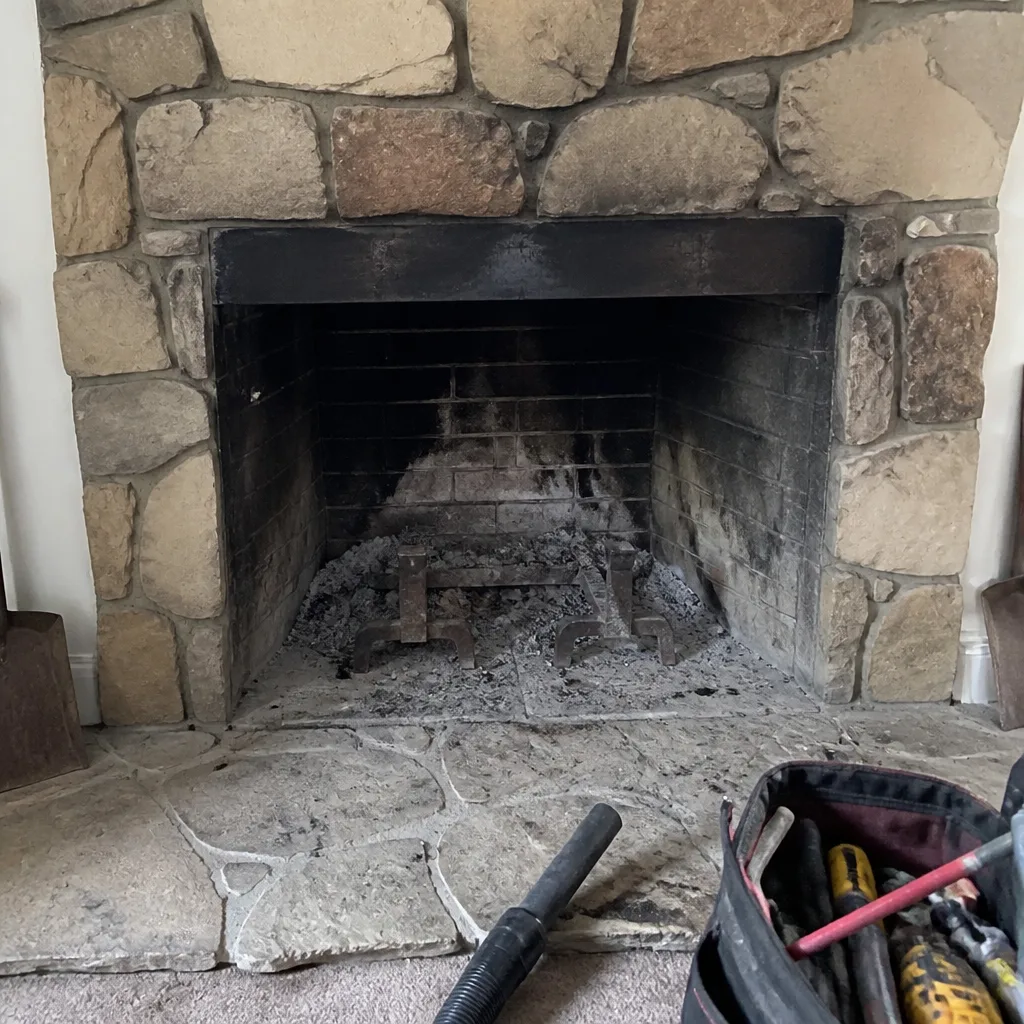 Before
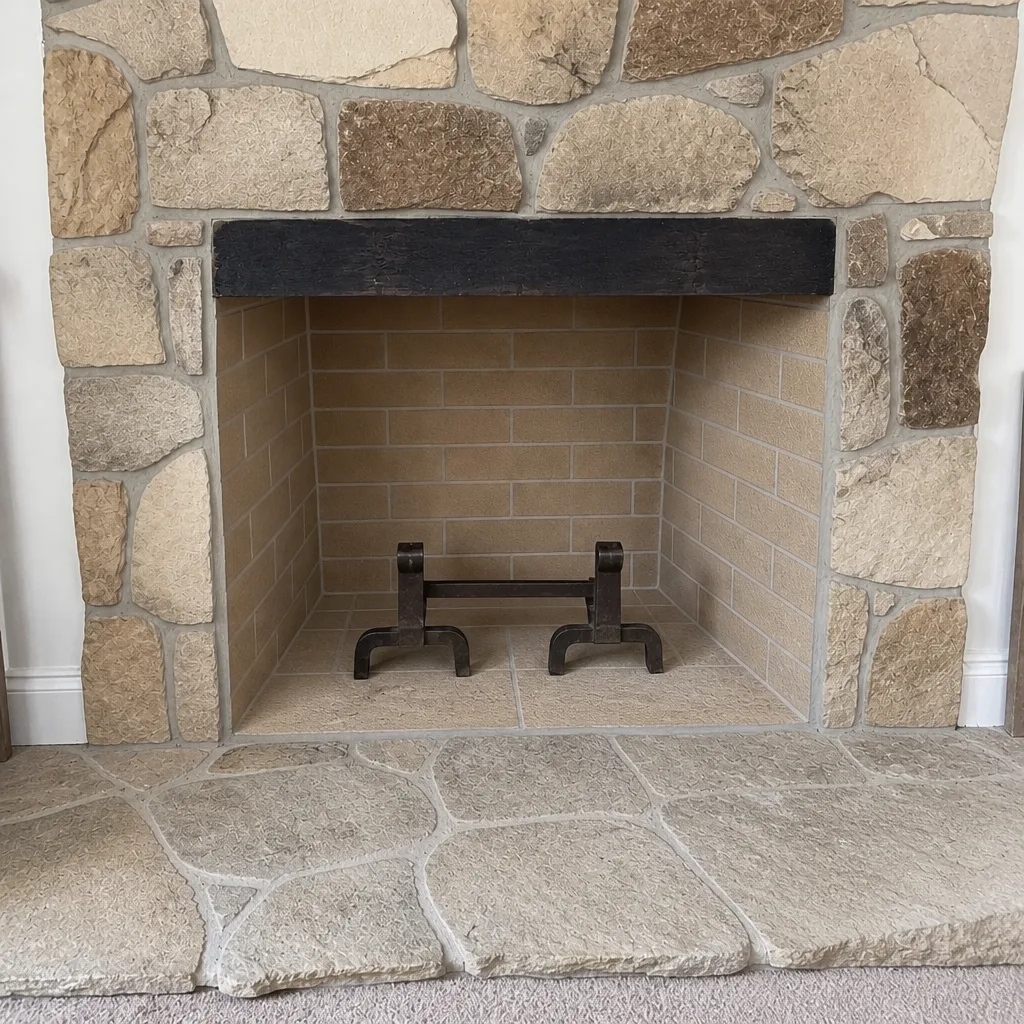 After
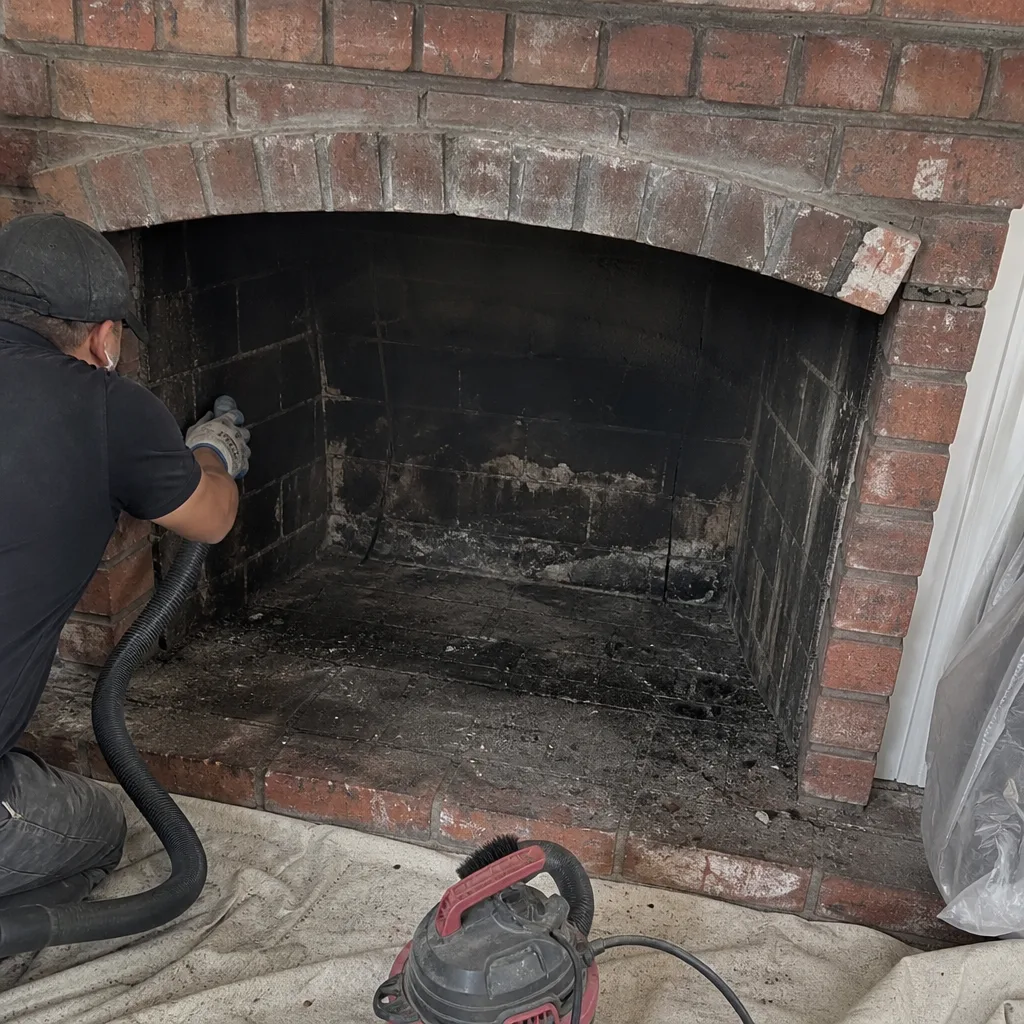 Before
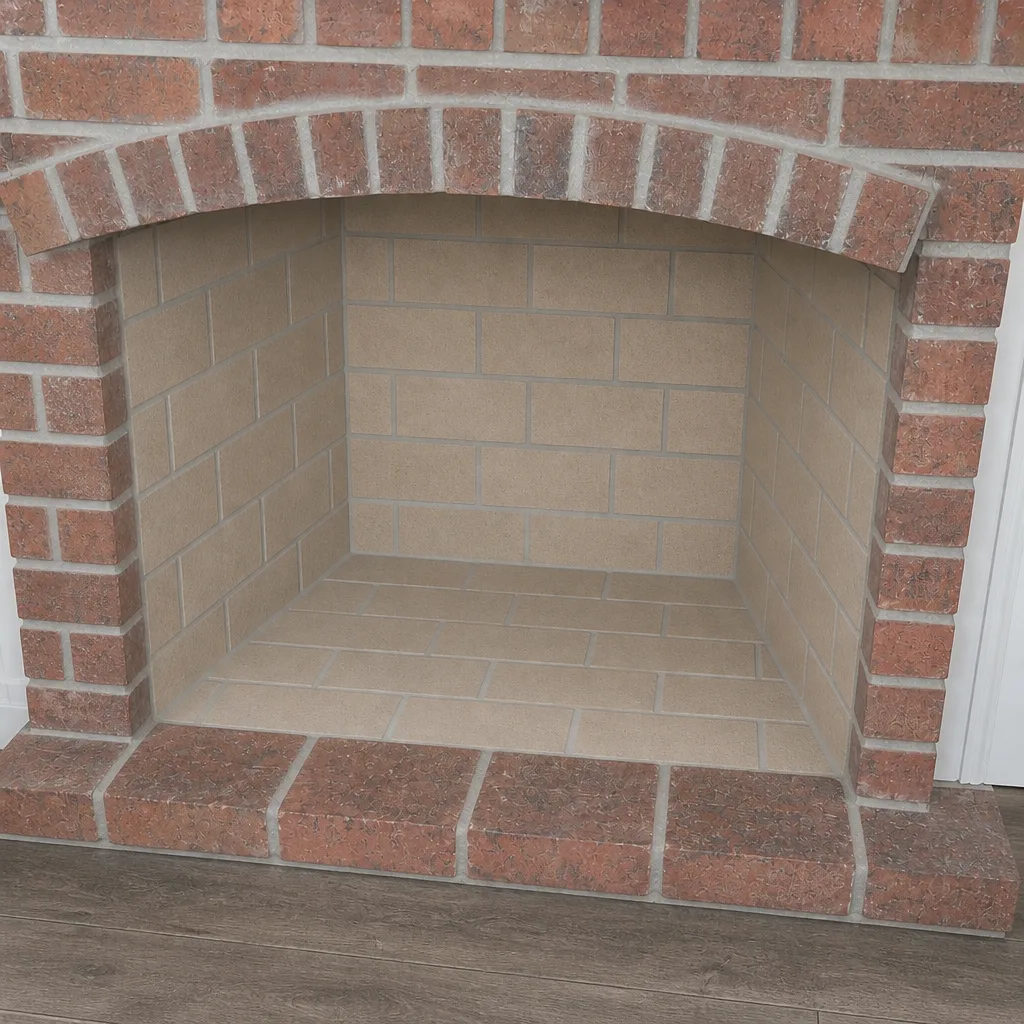 After
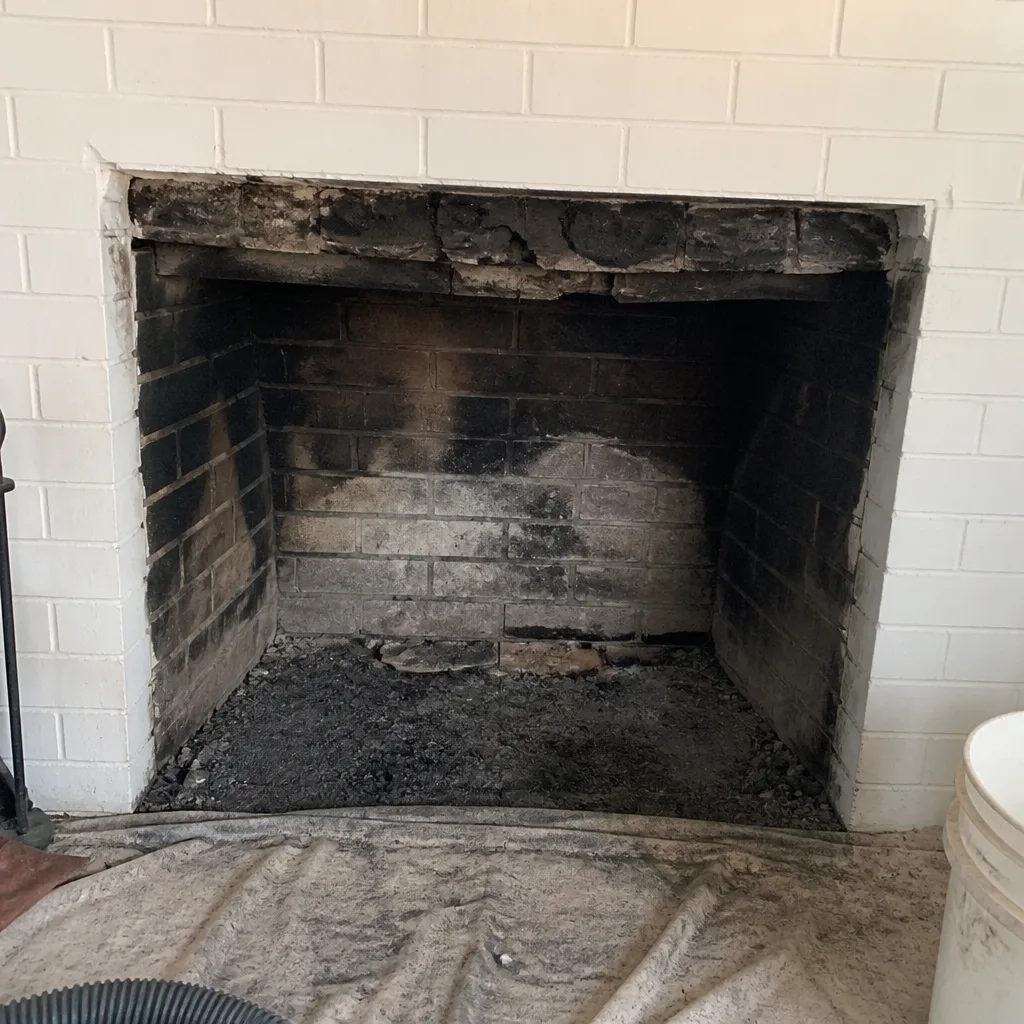 Before
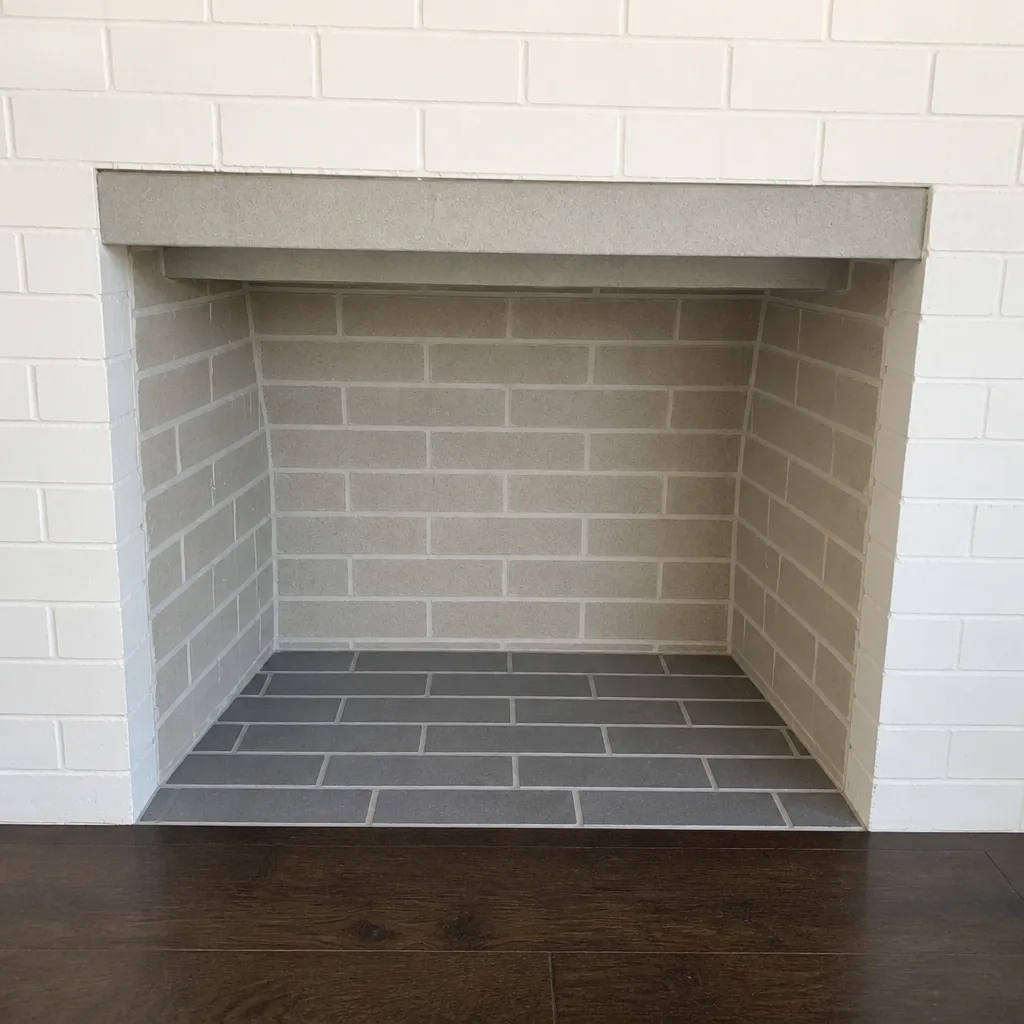 After