
Last updated November 4, 2026
 Sweep & inspection
 Caps & crowns
 Flue relining
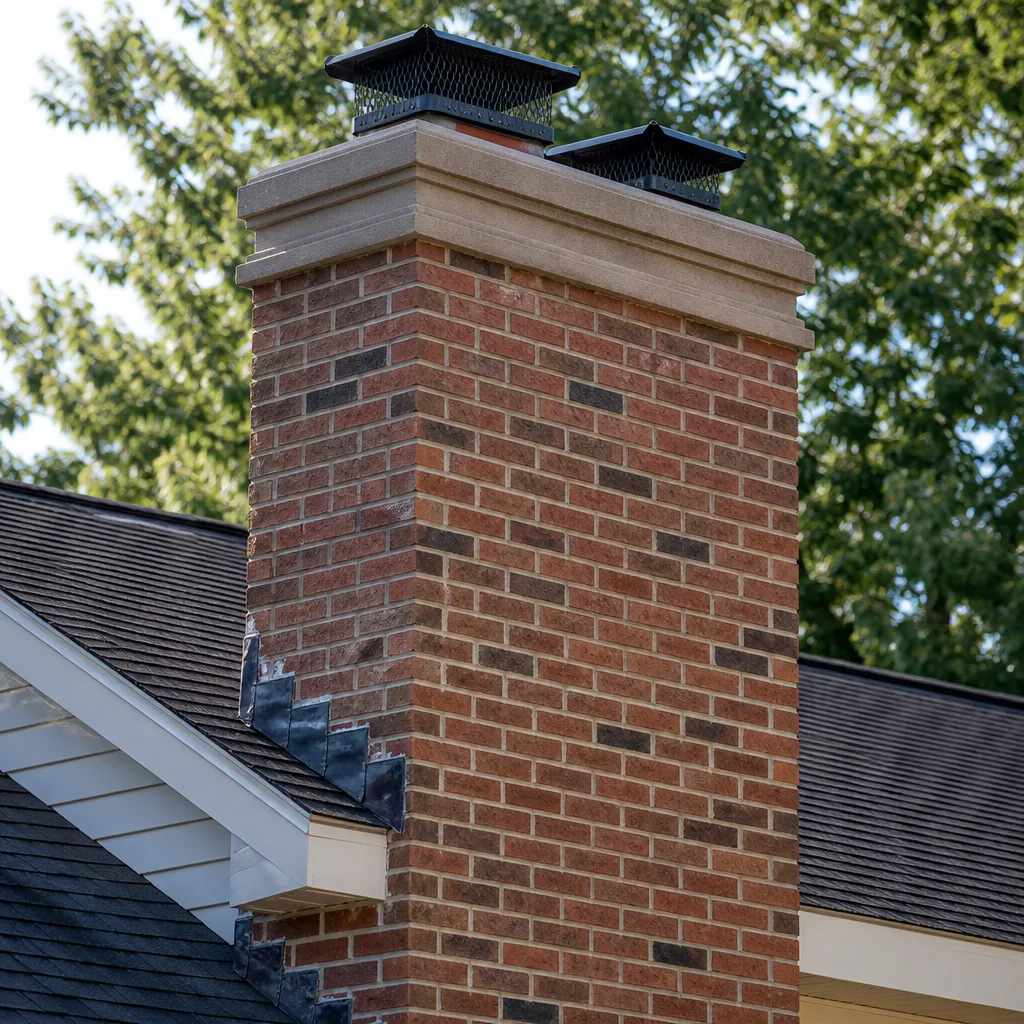 Masonry repair
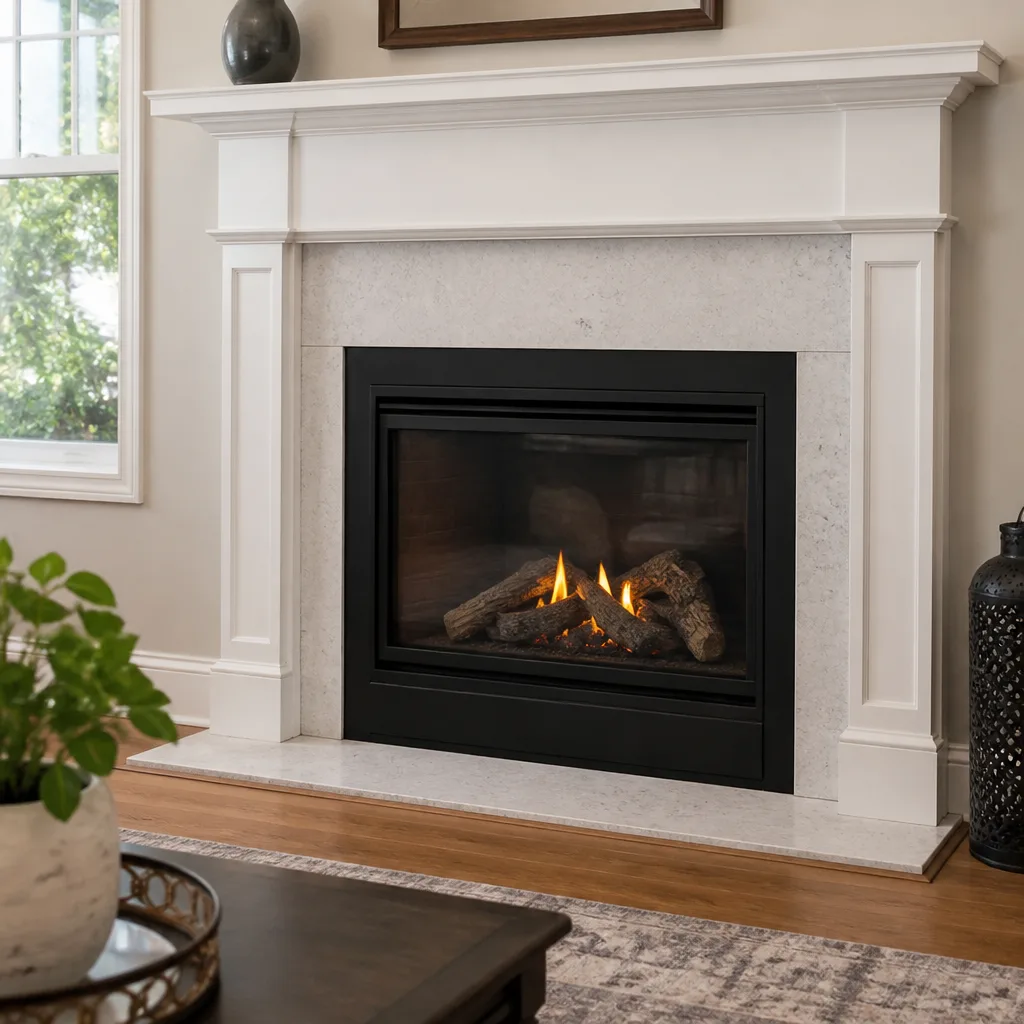 Gas fireplace service
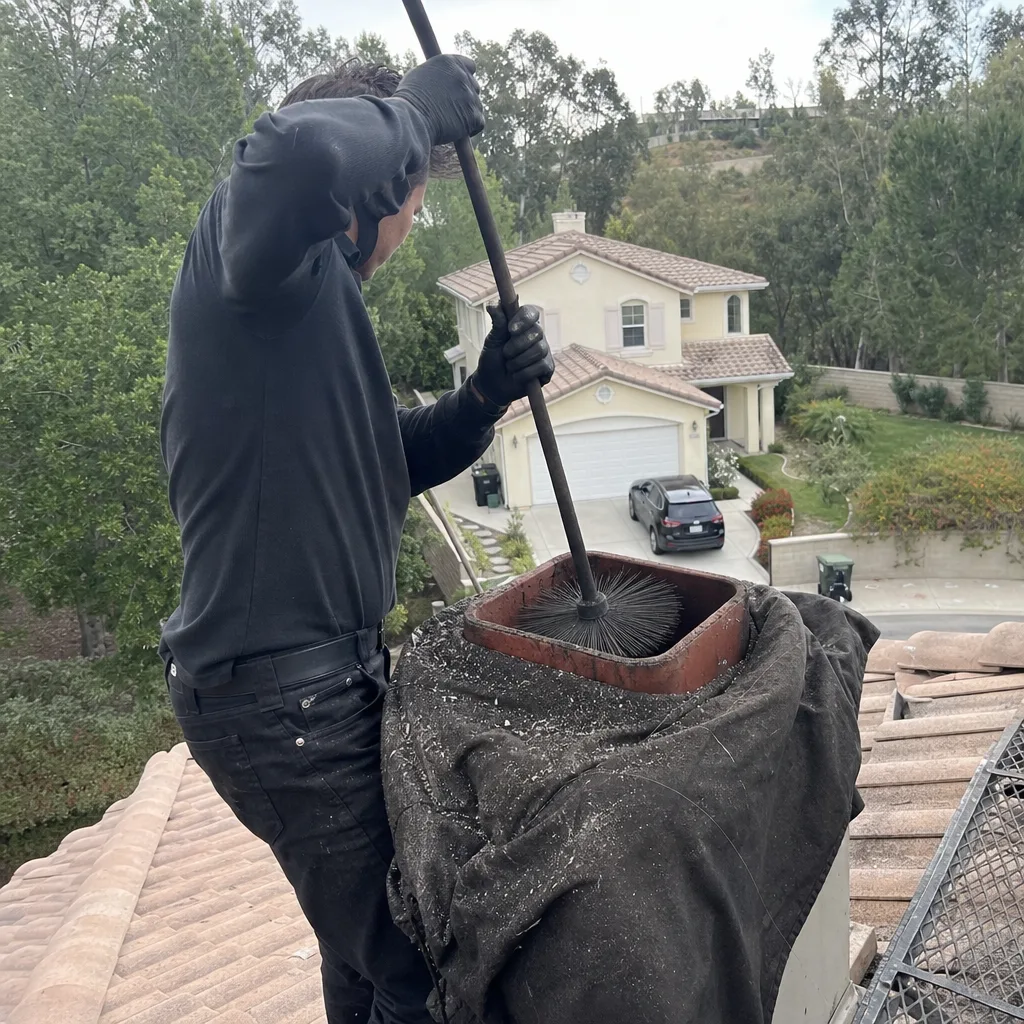
Level 1 sweep and inspection to the NFPA 211 annual standard - flue, crown, cap, and flashing checked and photographed
Chimney sweep logs do not sweep chimneys. They loosen some creosote - which then falls where a brush and vacuum still have to collect it.
Chimney Cleaning Emergency Preparedness Guide for Valencia Homes
Most Valencia homeowners think of chimney emergencies as house fires that start inside the firebox. The 2019 Tick Fire taught a different lesson. Several SCV homeowners discovered their spark arrestors were missing or clogged during evacuation checks, a condition that cuts both ways: embers can drop into your home from outside, and combustion gases can back up inside. This guide explains how to prepare your chimney before fire season, what to do during an active event, and how to document everything for insurance afterward.
Quick Answer
Chimney emergency preparedness in Valencia means three things: a properly fitted spark arrestor and cap that blocks ember entry during wildfire events, a documented inspection and cleaning history, and a clear action plan if a chimney fire or smoke event occurs. The goal is preventing your chimney from becoming an ember entry point or a combustion failure point when evacuation orders hit. Start with an inspection, keep records, and know your damper position before you leave the house.
Styles & brands we work with
- Sweep & inspection
- Caps & crowns
- Flue relining
- Masonry repair
- Gas fireplace service
Table of Contents
- Why Valencia’s Wildfire Risk Changes the Chimney Math
- The Spark Arrestor: Your First Line of Defense
- What to Do During a Chimney Fire
- Post-Wildfire Smoke Event Inspection Protocol
- Building a Chimney Emergency File
- Evacuation Prep for Fireplace and Chimney
- Common Mistakes to Avoid
- When to Call a Professional
- Frequently Asked Questions
Why Valencia’s Wildfire Risk Changes the Chimney Math
Valencia sits in a fire corridor. That’s not alarmism, it’s geography. The canyons and ridgelines around the Santa Clarita Valley channel wind and dry brush into conditions where embers travel a mile or more ahead of the main fire front. When embers land on a roof, they don’t need an open window. They need a gap, a crack, or an uncapped chimney.
A chimney without a proper cap and spark arrestor is a vertical shaft into your living room. Embers are light. They ride wind currents upward and over ridge lines. When they drop onto a roof, the chimney opening is one of the few places where falling debris can actually enter the structure rather than just sit on the surface. In our experience, a surprising number of Valencia homes have caps that are rusted through, missing mesh, or simply absent. That’s a preventable entry point.
The second issue is less obvious. A clogged spark arrestor from creosote buildup restricts airflow. That restriction affects draft. When you’re burning wood during a cooler evening, the smoke needs a clear path up and out. If the mesh is gummed up, combustion gases linger in the flue longer. They deposit more creosote. The cycle compounds. And creosote is fuel. A spark arrestor that’s supposed to keep embers out can become the thing that holds flammable material in.
Valencia homes with wood-burning fireplaces face this dual risk every fire season. The preparation isn’t complicated. It’s specific. Know what’s on top of your chimney, know what’s inside it, and know what condition both are in before the Santa Ana winds pick up.
The Spark Arrestor: Your First Line of Defense
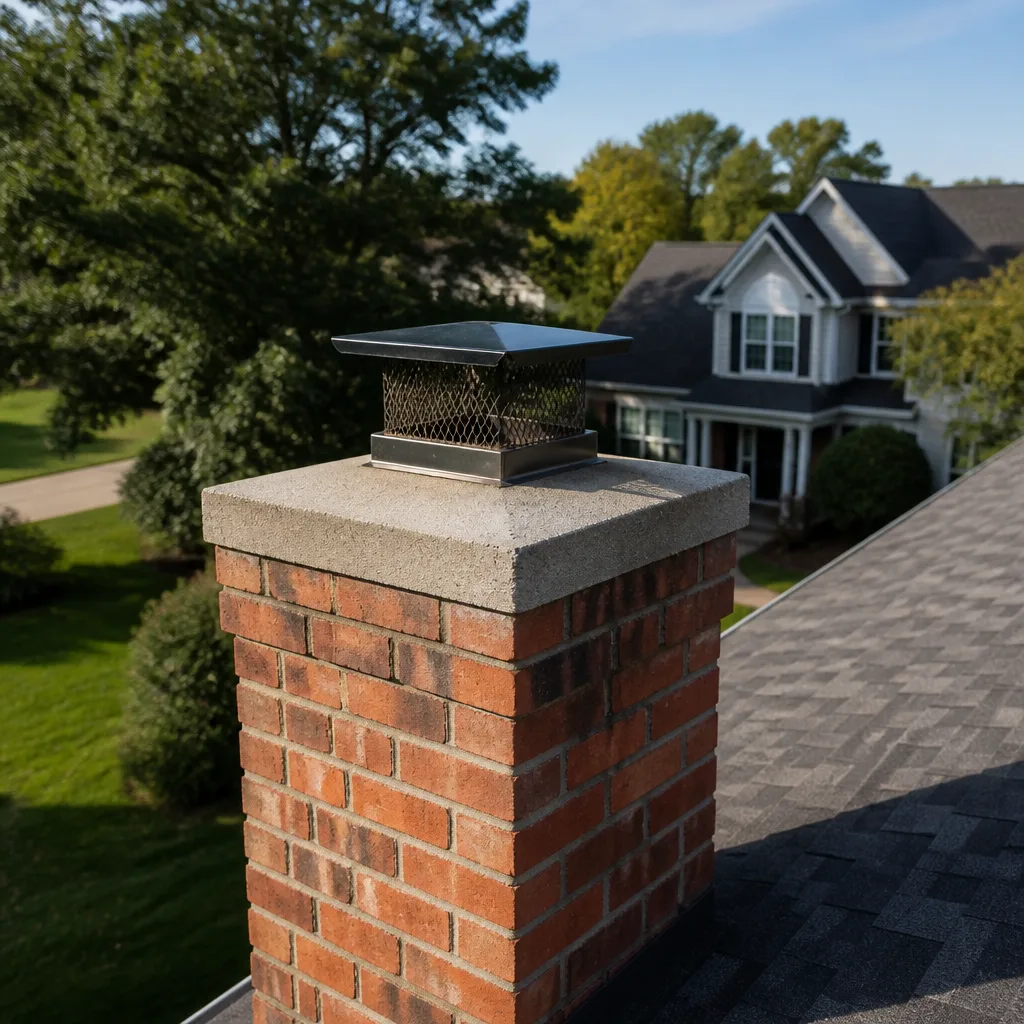
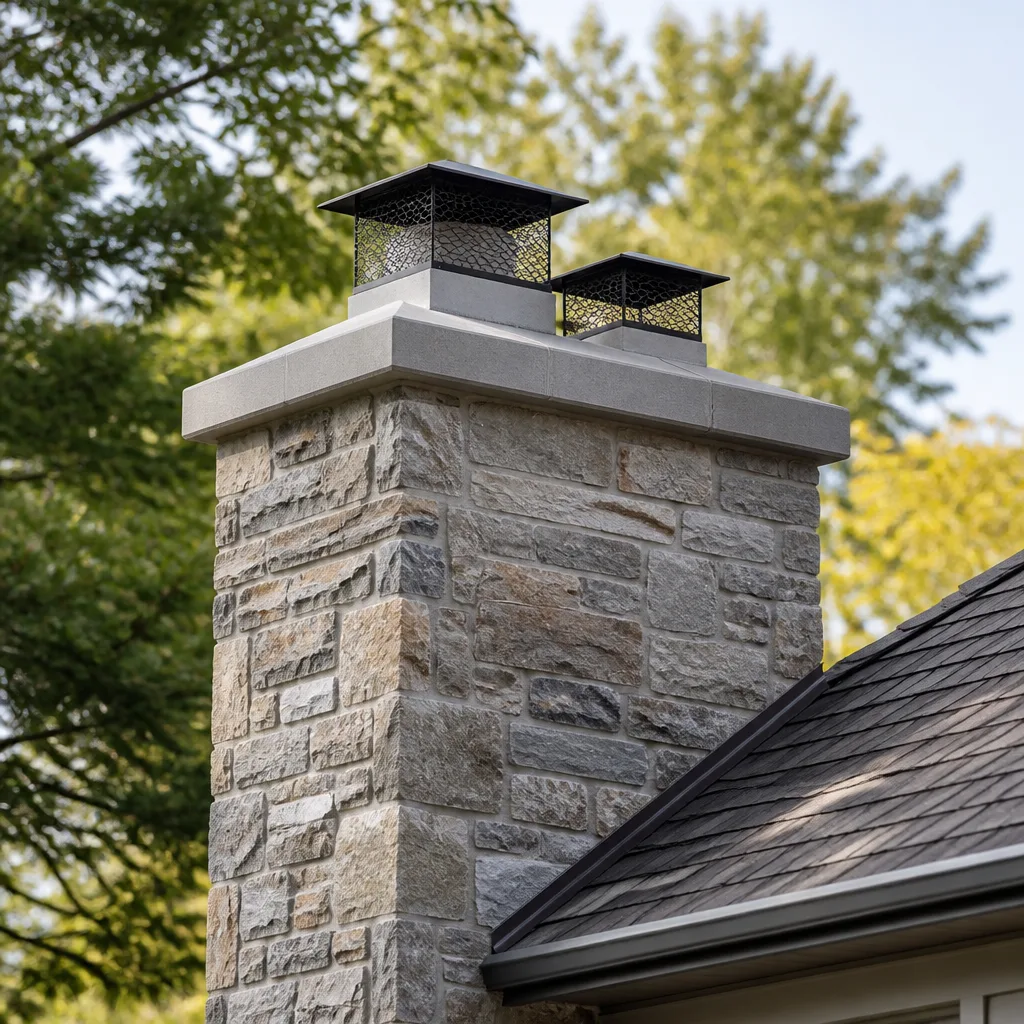
The spark arrestor is the mesh screen that sits at the top of your chimney or inside your cap. Its job is simple: let smoke out, keep embers and sparks in. During wildfire conditions near Valencia, the job reverses. It also keeps flying embers out of your flue.
A properly functioning spark arrestor in Valencia should be made of stainless steel or copper, not galvanized steel. Galvanized rusts in a few seasons here, especially with the temperature swings and dry heat. We work with caps and arrestors from Copperfield and Famco because these brands manufacture units built for exactly this kind of exposure. The mesh should be 3/4-inch or 5/8-inch openings, according to most building codes. Smaller than that and creosote clogs it quickly. Larger and it doesn’t stop embers.
What should you check right now? Three things:
- The mesh is intact. No rust holes, no bent sections, no gaps where mesh meets the cap frame.
- The mesh is clean. Run your finger along it if you can safely reach it. Creosote buildup on arrestor mesh is a sign the chimney needs sweeping.
- The cap is secured. High winds in the SCV loosen cap fasteners. A rattling cap is a cap that will leave the roof in a strong gust.
If you can’t see your chimney top clearly from the ground with binoculars, that’s a sign to get a professional look. A chimney sweep checks the arrestor as part of every inspection, and we take photos so you can see exactly what’s up there.
What to Do During a Chimney Fire
A chimney fire sounds like a freight train in your flue. That’s the description most often used, and it’s accurate. You might also hear popping, cracking, or a dull roar. You may see flames shooting from the chimney top. You may smell dense, acrid smoke inside the house even with the damper open.
Here’s the sequence that matters, in order:
- Get everyone out of the house. Don’t spend time investigating. A chimney fire can transition into a structure fire in under two minutes if the flue has cracked tiles or gaps in the mortar.
- Call 911 from outside. Report a chimney fire with flames visible or a roaring sound. Do not try to put it out yourself with water. Water on a hot flue can shatter clay tiles and turn a contained fire into a structural one.
- Close the damper if you can reach it safely. This cuts oxygen to the fire. Do not open doors and windows to “let smoke out.” That feeds oxygen the fire wants.
- Do not use the fireplace again until it has been inspected. Even a minor flue fire can crack tiles, warp the damper, or separate flue sections. Those are hidden problems until they’re not.
There’s a difference between a chimney fire and a small flare-up of creosote that burns itself out in seconds. If you hear a brief whoosh and then normal operation resumes, you still need an inspection. A flare-up means creosote ignited. That creosote may have partially burned away, leaving a thinner layer that’s now more porous and more likely to catch again. The next one may not be minor.
We’ve seen chimneys in Valencia that had four or five small flare-ups before the homeowner called us. Each one weakened the flue a little more. The eventual repair was far more involved than a sweep would have been after the first event. The rule is simple: if fire happened in your flue, the flue gets inspected before the next burn. No exceptions.
Post-Wildfire Smoke Event Inspection Protocol
After a wildfire near Valencia, the air clears eventually. But your chimney remembers. Smoke events leave residue. Embers that landed on your roof may have damaged the cap. Soot from dense regional smoke settles inside the flue and mixes with existing creosote. The combination is not benign.
Here’s the protocol we recommend before you resume fireplace use after any significant smoke event in the SCV:
- Check the exterior from the ground first. Look for visible damage to the cap, crown, or spark arrestor. Binoculars help. Look for nesting material that may have blown in during high winds. Check for missing mortar on the chimney chase.
- Check the firebox interior. Use a flashlight. Look for flaked creosote, soot buildup, or debris that fell down the flue. If you see anything that looks like dried coffee grounds, that’s creosote in a dangerous form.
- Run a quick draft test. With the damper open, light a rolled piece of newspaper and hold it near the damper opening. Smoke should draw up and out. If it billows into the room, the chimney is obstructed or the pressure differential is wrong. Do not burn until that’s resolved.
- Schedule a professional inspection if anything looks off. Even if nothing looks off, consider one after a major fire event. The air pressure and heat from a nearby wildfire can shift mortar joints and loosen caps.
One more consideration specific to Valencia: after a wildfire, everyone in the neighborhood is thinking about their home. Insurance adjusters get busy. If you find chimney damage later, having a post-fire inspection on record makes the claim cleaner. It establishes that the damage happened during the event window, not from eighteen months of neglect. Document everything. Photos with timestamps. The inspector’s report. Any receipts.
Building a Chimney Emergency File
Most homeowners in Valencia can’t tell us when their chimney was last swept, what the inspector found, or whether the cap was replaced. That missing information becomes a problem when an insurance claim is involved. An adjuster will ask. If you don’t have answers, the claim can stall or get denied.
A chimney emergency file is simple to build and takes one afternoon. Here’s what goes in it:
- The most recent inspection report. Request a written or photo report from your sweep. If your sweep doesn’t provide one, find a different sweep. Documentation is the whole point.
- The contractor’s contact information. Name, phone, license number if applicable, and the date of service. You want to call the same person who knows your chimney if something comes up.
- Photos of the cap, crown, and firebox. Take them yourself now. Then take new ones after any event. Timestamps matter.
- Permit history for any structural work. If you’ve had relining, crown repair, or a full rebuild, keep the permit and inspection sign-off. This matters during a dispute.
- A one-page summary. One sheet: chimney type, flue size, cap type, last service date, known issues. Keep it wherever you keep your insurance paperwork.
This file does two jobs. During an emergency, it tells you exactly what condition your chimney was in before the event. After an emergency, it tells the insurance company the same thing. That’s leverage. We’ve helped Valencia homeowners with post-event inspections where the file made the difference between a covered repair and a denied claim. It’s not exciting work. It’s the work that protects you.
Evacuation Prep for Fireplace and Chimney
When an evacuation order comes to Valencia, your mind is on people, pets, and paperwork. Chimney prep takes five minutes and should happen long before the order arrives. Here’s what to do:
- Close the damper completely. An open damper is a direct path for embers into your home. A closed damper slows that down significantly. It also keeps smoke from outside air pumping through your flue into the living space.
- Close the firebox doors or glass if you have them. This creates a second barrier. Most modern fireplace inserts have airtight doors. Use them.
- Remove anything flammable from the hearth area. Firewood storage should never sit directly next to the firebox during fire season anyway. Move it further away or outside to a metal rack at least 30 feet from the house.
- Check cap security if you have time. A loose cap in high wind becomes a projectile. If it’s already loose and you can’t fix it, note it for later. Don’t climb on the roof during an evacuation warning.
- Photograph the chimney exterior. Quick phone photos from the ground. These document the pre-event condition. If wind or embers damage the cap during the fire, you have a “before” image.
One detail that matters during insurance disputes: if your chimney condition is questioned after an event, having pre-evacuation photos and a recent inspection report changes the conversation. An adjuster may claim the damage predated the fire. Your photos say otherwise. This is why the chimney emergency file from the previous section is built before fire season, not after.
For Valencia specifically, the wind matters. Santa Ana gusts routinely exceed 40 mph in the canyons around the SCV. A chimney cap that’s slightly loose in calm weather can come off entirely in those conditions. If you hear a rattle during normal wind, get it checked. The evacuation window is not the time to discover the problem.
Common Mistakes to Avoid
- Assuming a smoke alarm is enough. Smoke alarms are for interior fires. A chimney fire can burn inside the flue for minutes before smoke reaches the alarm. The first warning is often the roaring sound, not the beeping.
- Skipping the annual sweep because “we barely use the fireplace.” One fire per year is enough to deposit creosote. And the chimney is still an ember entry point during wildfire season whether you burn or not.
- Using a chimney fire log to “clean” the chimney. These products burn hot but they don’t remove creosote. They convert some forms of creosote into a powdery ash that sits in the flue and on the smoke shelf. A mechanical sweep is still required.
- Opening the damper wide during a chimney fire to “let the heat out.” This feeds oxygen to the fire. Close it if you can safely do so, and evacuate.
- Waiting until November to schedule a sweep. Most chimney services in Valencia book out weeks before Thanksgiving. If you’re thinking about fire season, schedule the sweep in September or early October.
- Ignoring a dryer vent because “the chimney is fine.” Dryer vent cleaning is part of the same fire-prevention picture. Lint buildup is a leading cause of residential fires. Your fireplace and your dryer both deserve a safety check.
- Hiring a handyman for chimney work. Chimney systems differ from general construction. A handyman can’t diagnose flue deterioration, draft problems, or crown failure. Use a company that handles repair alongside cleaning, so the same crew can fix what they find.
When to Call a Professional
Call a chimney professional if you see creosote buildup thicker than a nickel, if your cap or spark arrestor is damaged, if you hear rattling from the chimney top during wind, if smoke backs into the room during a burn, or if you’ve had any flare-up or chimney fire. Also call after any significant wildfire smoke event near Valencia, even if nothing looks wrong. A post-fire inspection documents your chimney’s condition and catches problems before the next burn.
Chimney Sweep Valencia offers free estimates in Valencia. Call (866) 472-5217. We answer 24/7. Fast dispatch from 7am to 7pm, Sunday through Friday. We don’t just clean – we inspect, diagnose, and repair. That includes Chimney Sweep Valencia services across the SCV, from Valencia to the surrounding communities.
Frequently Asked Questions
At least once per year if you burn wood regularly, and before fire season if you don’t. The dry climate and wildfire risk in Valencia mean that even occasional burning produces creosote that hardens quickly. An annual sweep before October covers both safety and preparedness.
A properly fitted stainless steel or copper spark arrestor with 3/4-inch or 5/8-inch mesh does exactly that. It blocks embers from dropping into the flue while still allowing smoke to exit. The key word is properly fitted. A rusted galvanized unit with gaps does nothing. We use caps and arrestors from Copperfield and Famco for Valencia homes because they hold up to the wind and heat exposure here.
A flare-up is brief, often just a few seconds of crackling and a whoosh sound. A full chimney fire roars, can shoot flames from the chimney top, and lasts minutes. Both require an inspection before further use. A flare-up means creosote ignited, and now the flue has a thinner, more porous layer that’s more likely to catch again.
Yes. Close the damper completely and close the firebox doors or glass if your fireplace has them. This creates two barriers against ember entry. A closed damper still allows some airflow, but it dramatically reduces the path for embers to drop into your living space.
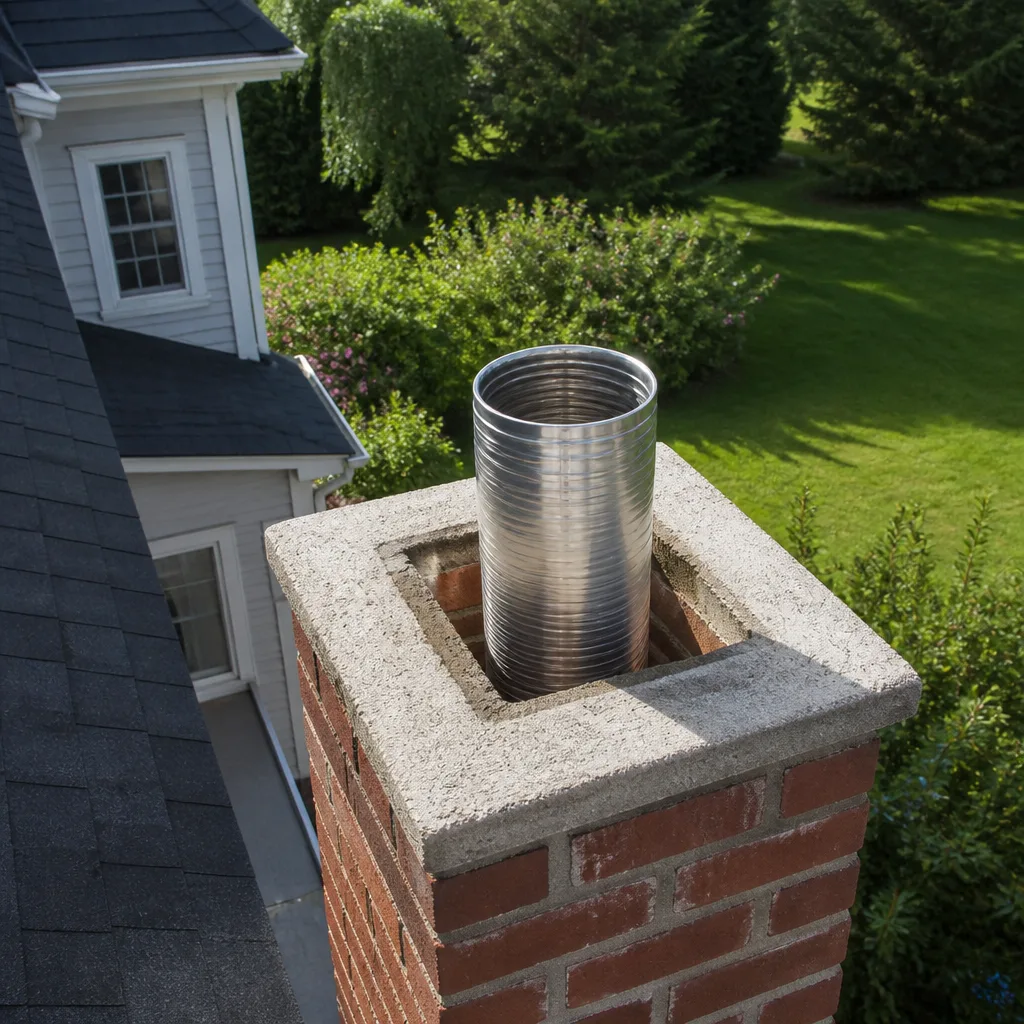
Most wildfire-related damage to chimneys is repairable. Cracked or separated caps can be replaced. Damaged crowns can be rebuilt. If the flue tiles inside have cracked, HeatShield resurfacing can often restore them without a full rebuild. More extensive damage calls for a DuraFlex liner system to reline the flue completely. The repair path depends on what the inspection finds.
Insurance adjusters use inspection history to determine whether damage happened during a covered event or resulted from deferred maintenance. A chimney with no inspection record and visible creosote buildup is a liability. A chimney with a recent inspection, photos, and a clean bill of health is a straightforward claim. That’s the entire reason the emergency file exists.
The Bottom Line
Your chimney is either an asset or a liability during wildfire season in Valencia. The difference comes down to preparation: a functioning spark arrestor and cap, a clean flue without creosote buildup, and a documented inspection history. When embers fly, an uncapped chimney is an open door. When a claim is filed, an undocumented chimney is a denied claim. Get the inspection done before fire season. Build the emergency file. Know the plan. And if something does happen, call someone who can both diagnose and repair: Chimney Sweep Valencia. Call (866) 472-5217 for a free estimate. We answer 24/7. Fast dispatch from 7am to 7pm, Sunday through Friday.
Written by the team at Chimney Sweep Valencia, serving Valencia since 2012.
See the difference
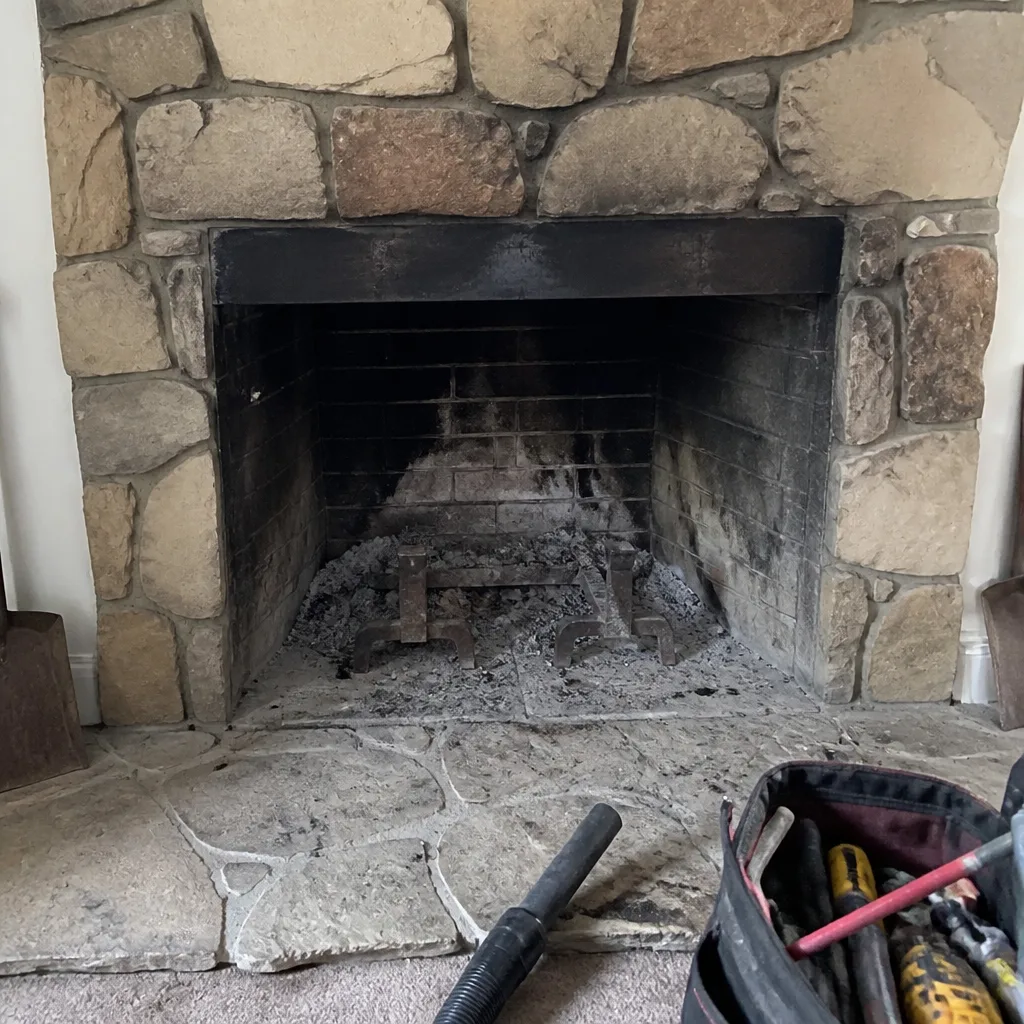 Before
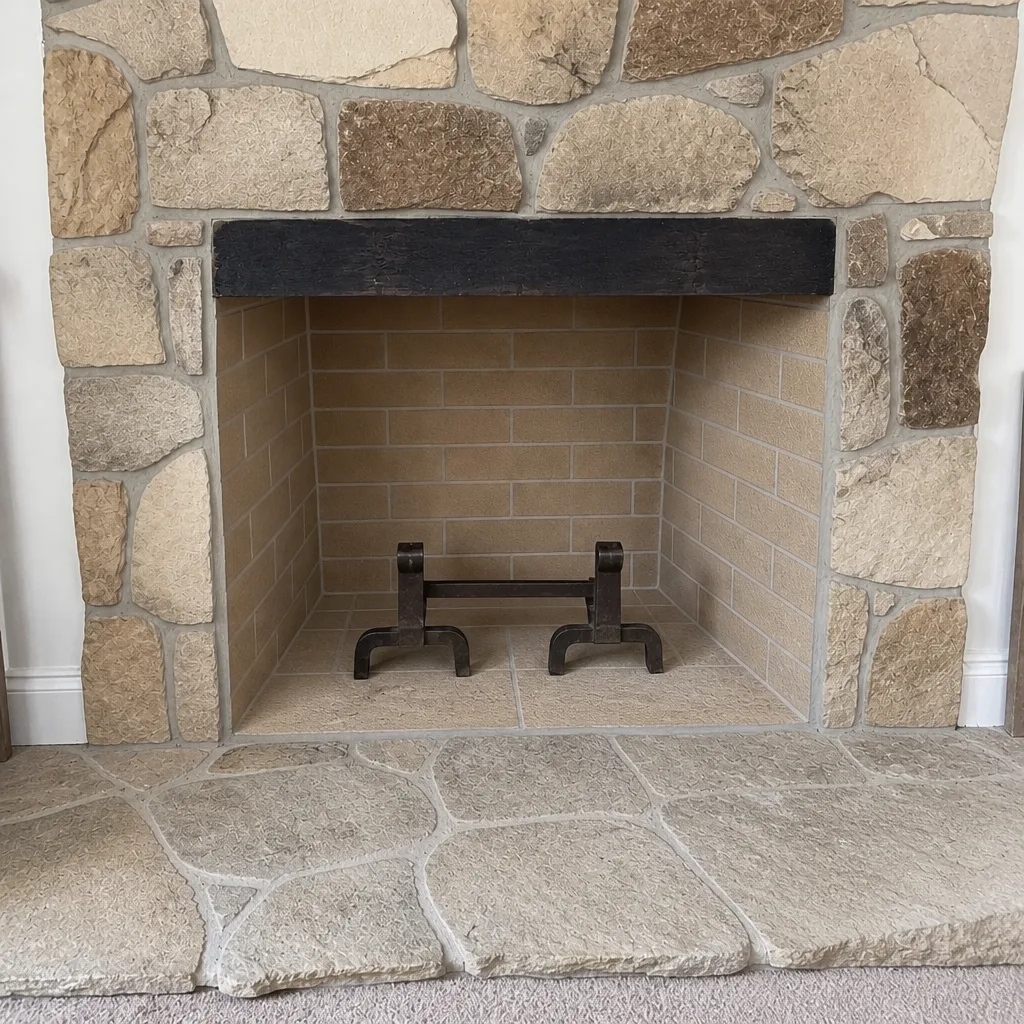 After
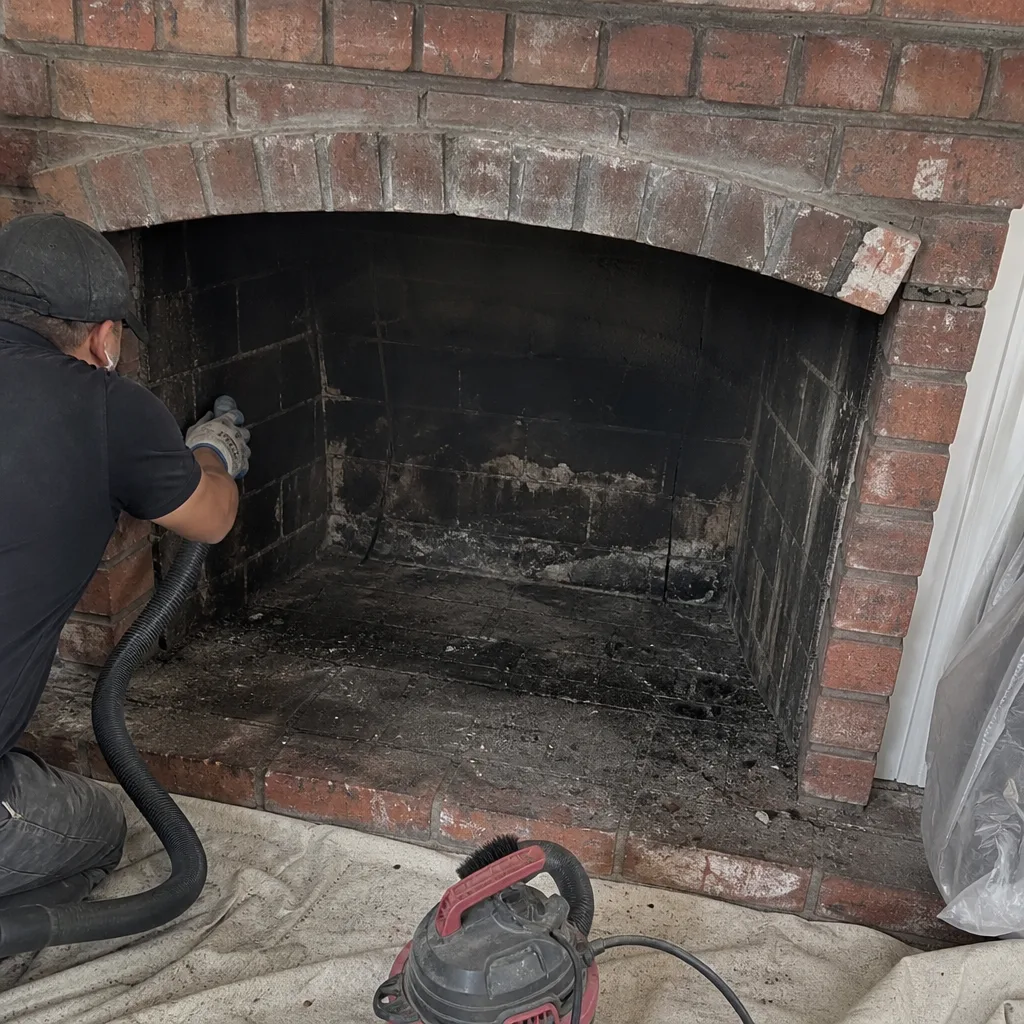 Before
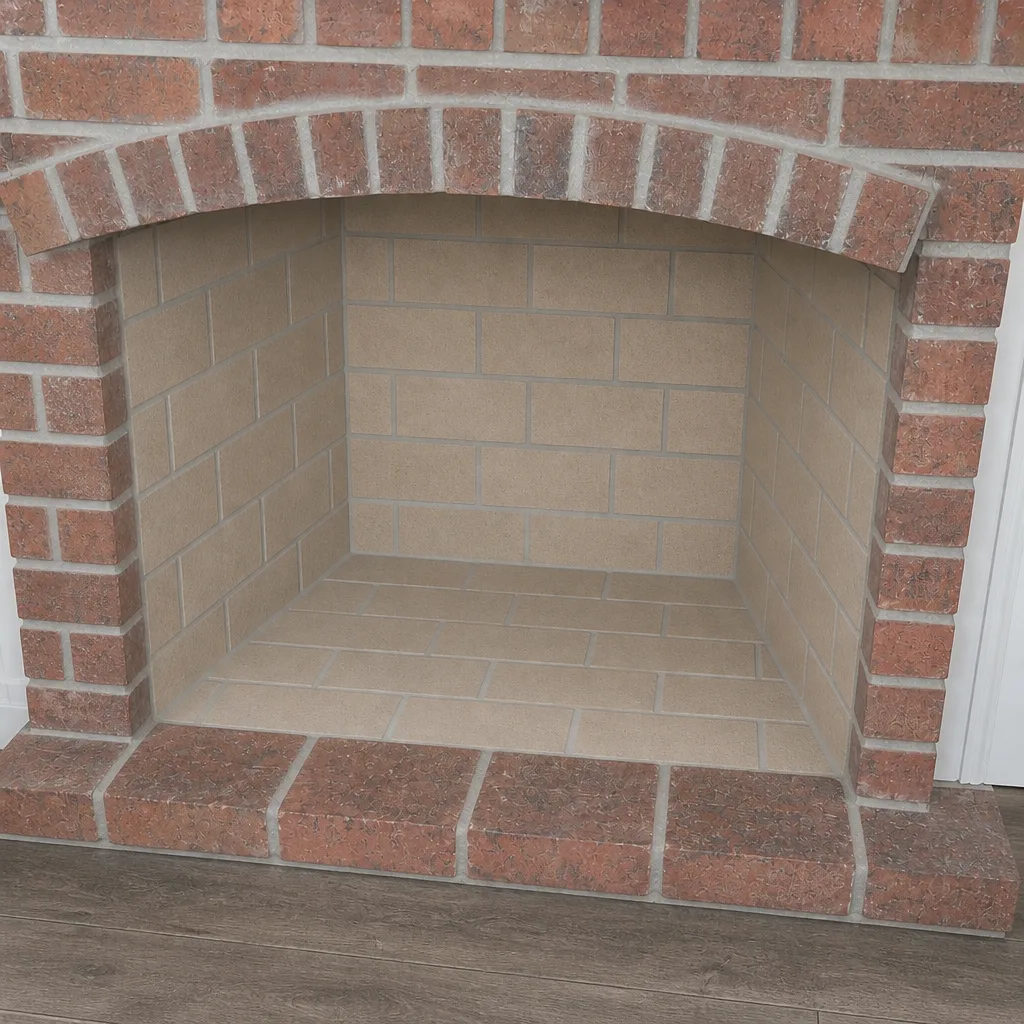 After
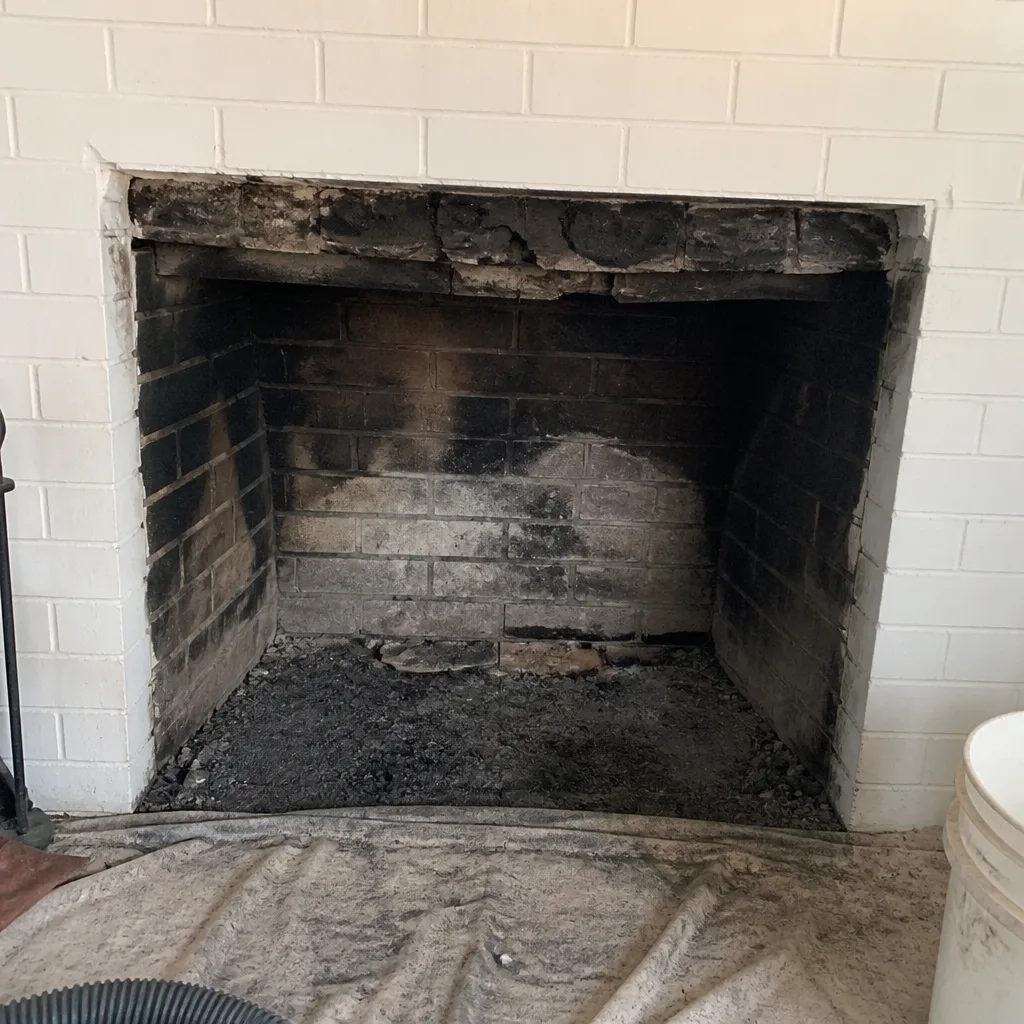 Before
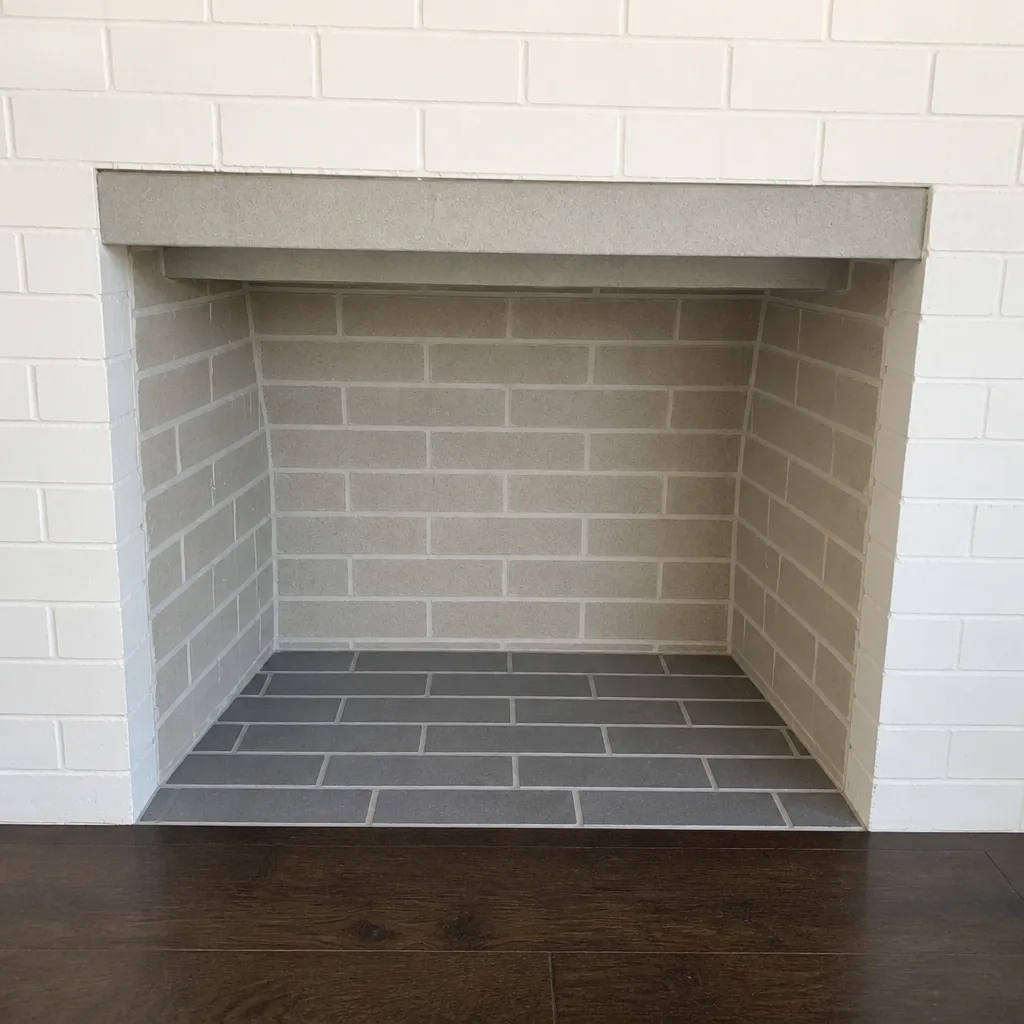 After