
Last updated November 4, 2026
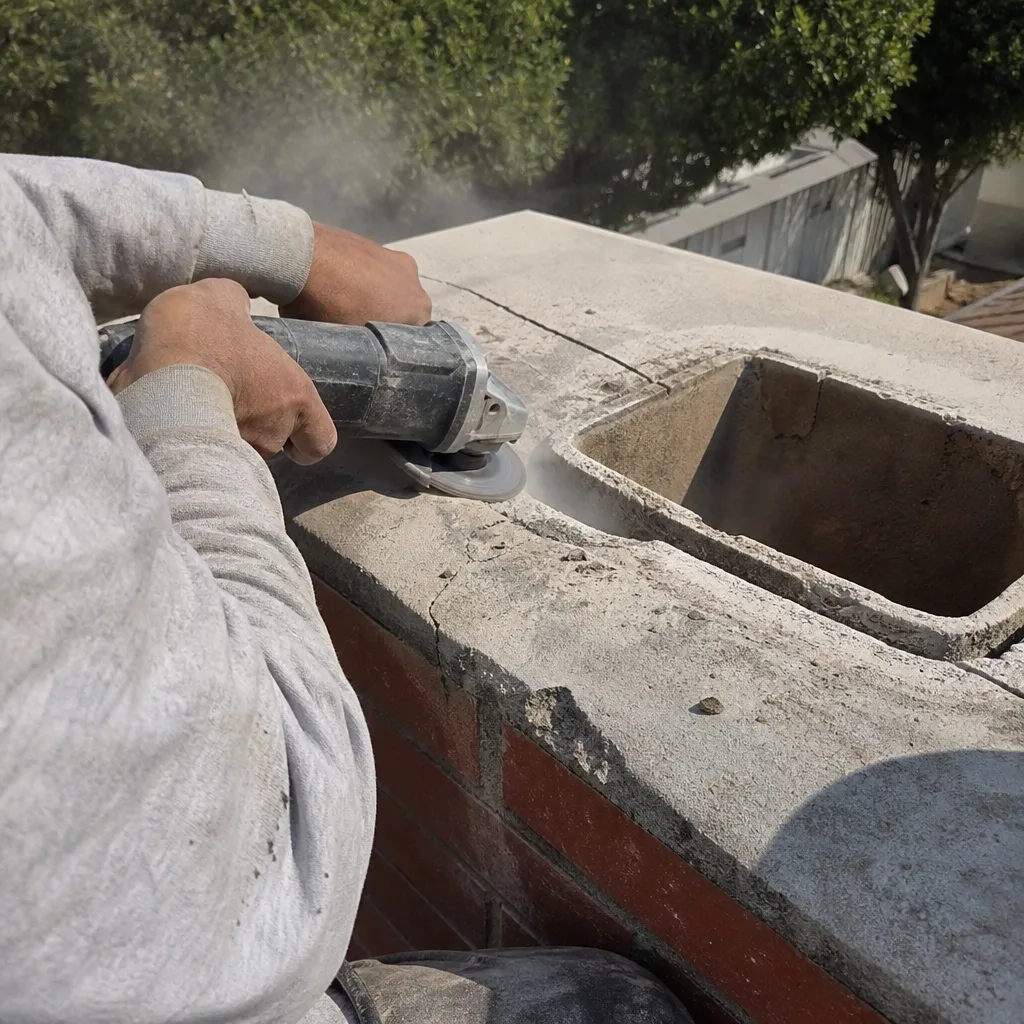
 Sweep & inspection
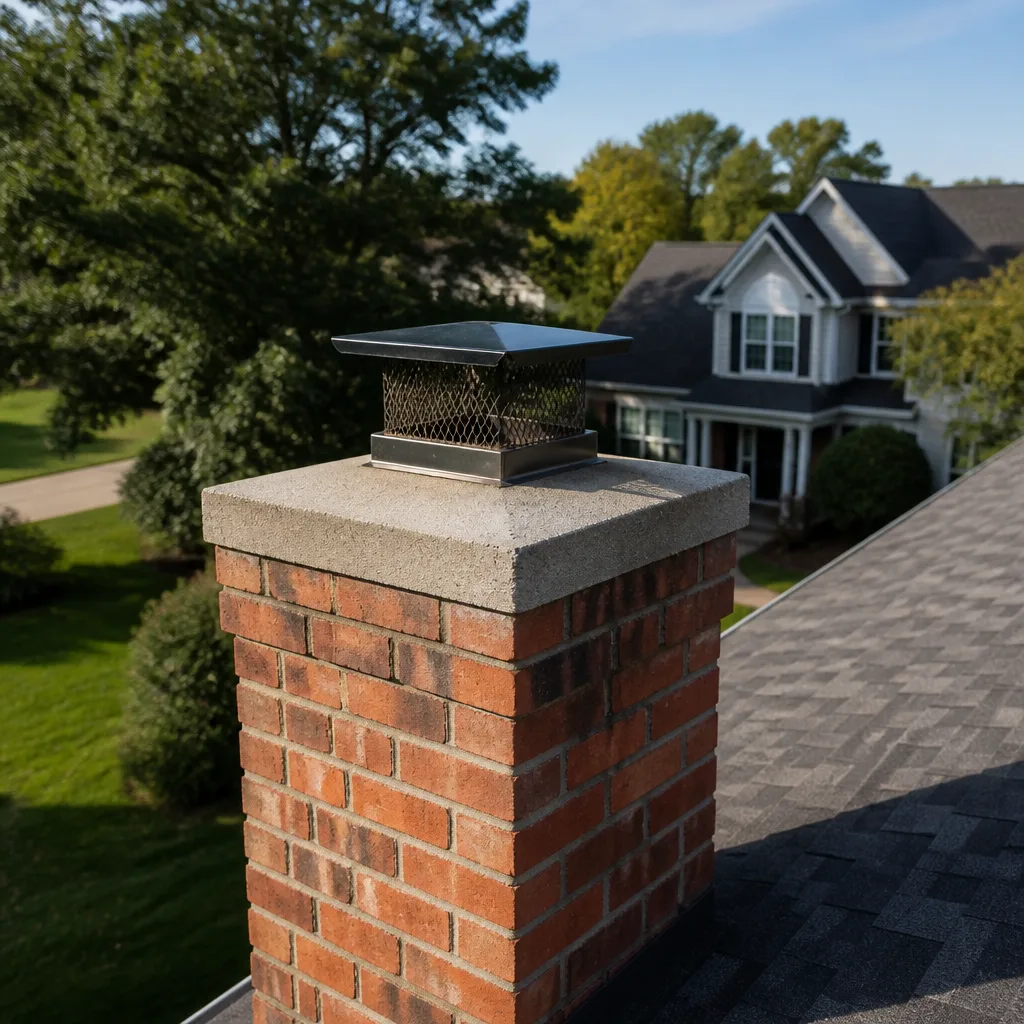
 Caps & crowns
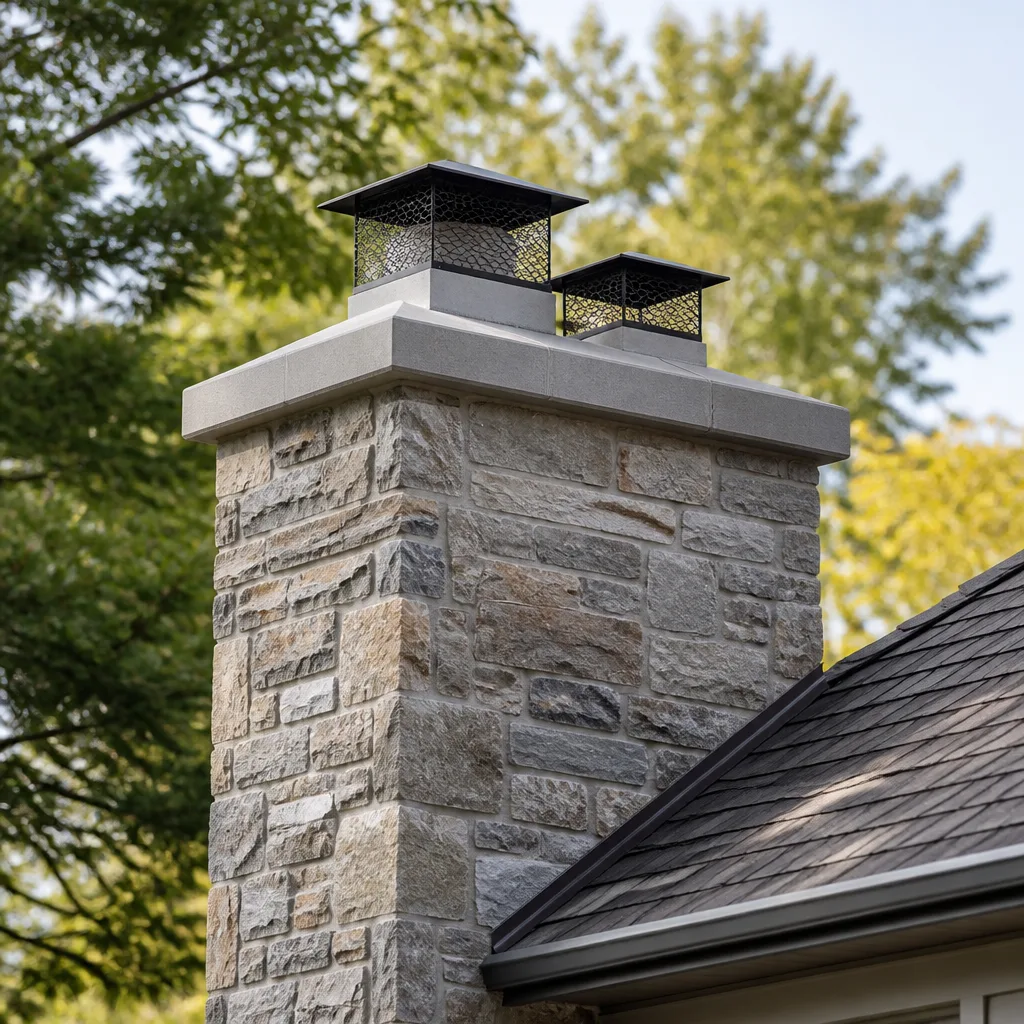
 Flue relining
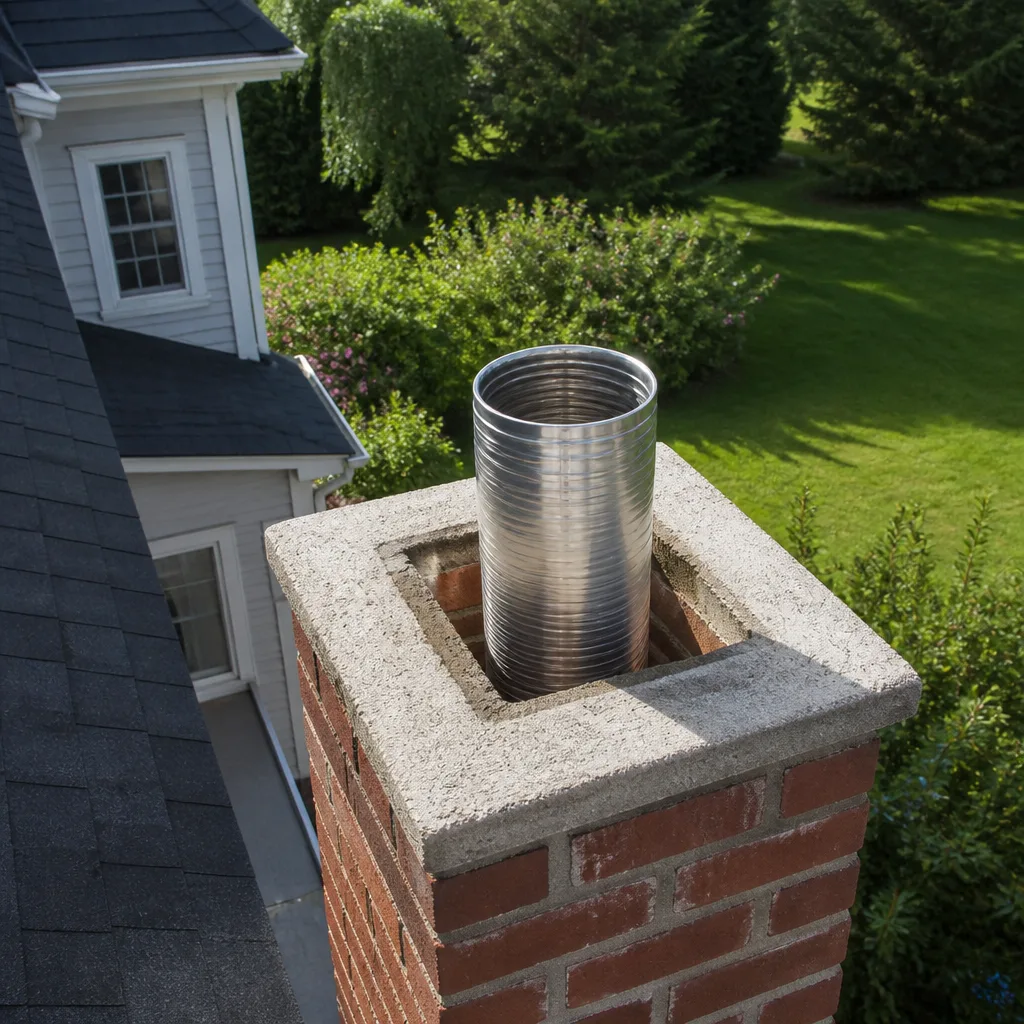
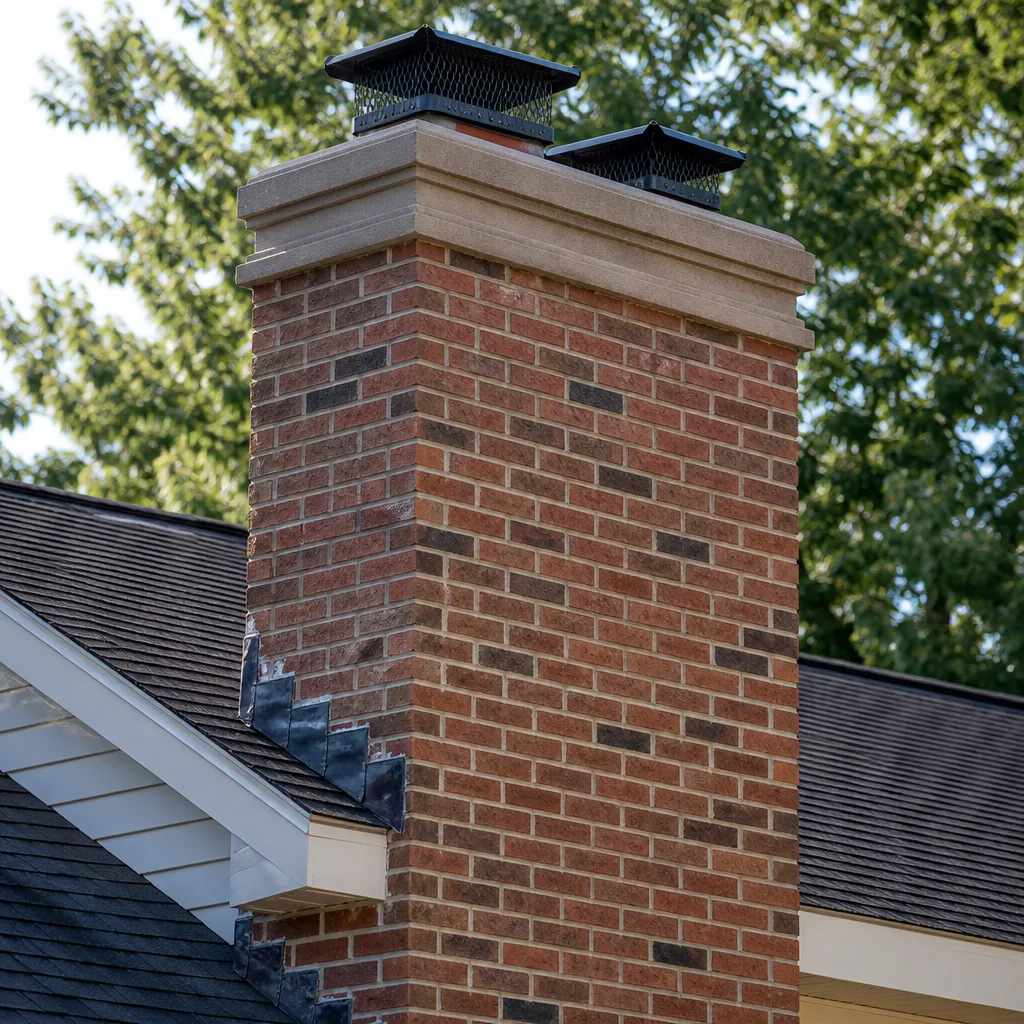 Masonry repair
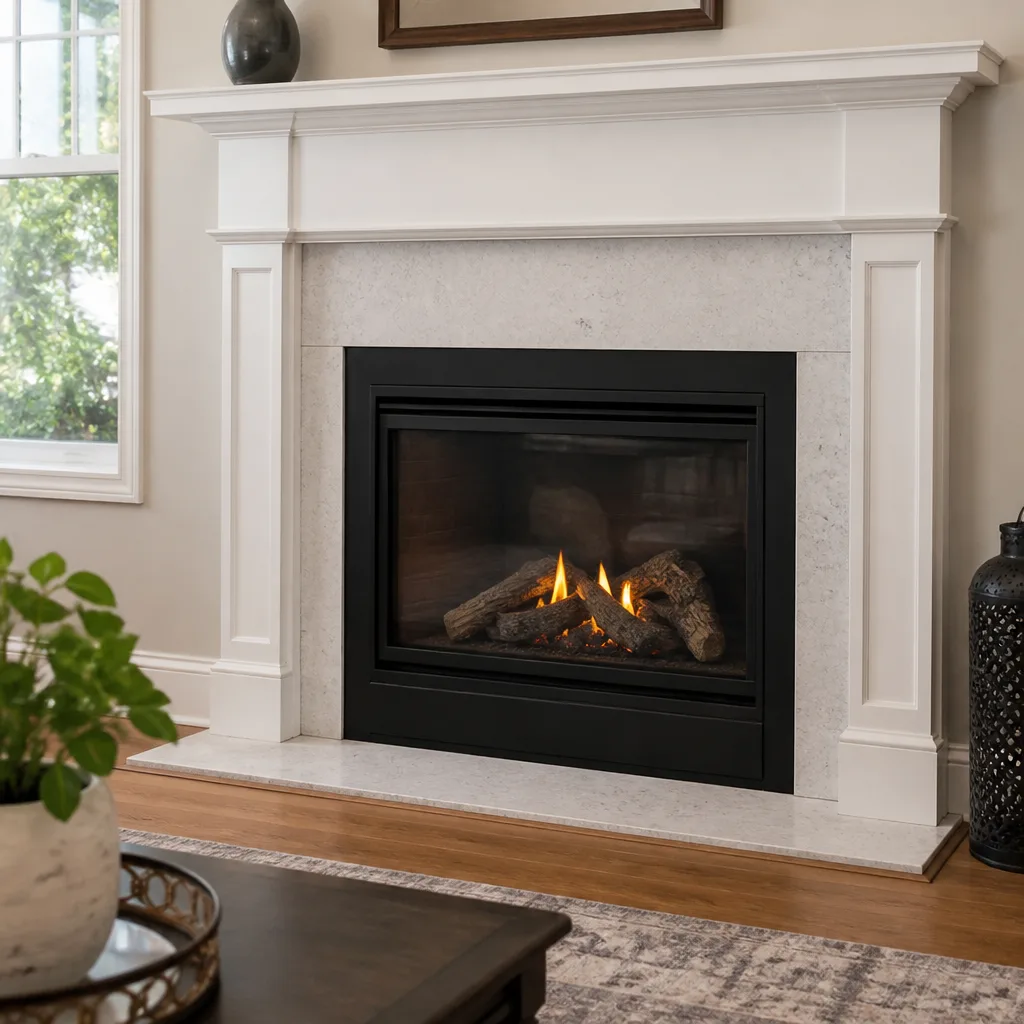 Gas fireplace service
Level 1 sweep and inspection to the NFPA 211 annual standard - flue, crown, cap, and flashing checked and photographed
Chimney sweep logs do not sweep chimneys. They loosen some creosote - which then falls where a brush and vacuum still have to collect it.
Chimney Cleaning Warning Signs: A Valencia Homeowner’s Reference Guide
Most people assume a chimney problem announces itself with smoke pouring into the living room, but that’s not how it usually works. The earliest warnings are subtle things you might write off: a campfire smell on a gusty afternoon, a few flakes of dark grit on the hearth, a fire that takes a little longer to catch than it did last season. We’ve spent 14 years looking at chimneys in Valencia, and we can tell you that by the time a problem is impossible to ignore, it’s already expensive. This guide teaches you to read the warning signs early, so the next time something feels slightly off, you’ll know whether to book a routine visit or shut the fireplace down until a professional arrives.
Styles & brands we work with
- Sweep & inspection
- Caps & crowns
- Flue relining
- Masonry repair
- Gas fireplace service
Quick Answer
A chimney in Valencia needs professional attention when you notice persistent smoke smell inside the home, dark flaking deposits on firebrick or the damper, white staining on exterior masonry, or a fire that behaves differently than it used to. Some of these mean stop burning immediately; others mean schedule a sweep soon. The distinction comes down to whether the sign points to a blocked flue or a structural crack, which is what we’ll walk through below.
Table of Contents
- Smell-Based Warning Signs and What Each Odor Means
- Visual Signs Inside the Firebox You Can Check Right Now
- Exterior Signs Visible From Your Valencia Driveway
- How the Fire Itself Tells You Something’s Wrong
- How to Triage: Stop Now vs. Schedule Soon
- What Actually Causes These Problems in Valencia Homes
- Common Mistakes to Avoid
- When to Call a Professional
- Frequently Asked Questions
- The Bottom Line
Smell-Based Warning Signs and What Each Odor Means
Your nose is the most underrated diagnostic tool you own. A chimney tells you a lot about its condition through smell alone, and each distinct odor points to a different underlying problem. Valencia’s warm climate means fireplaces sit unused for months at a time, which gives deposits time to absorb humidity and release odors you’d never notice in a home that burns daily through a cold winter.
The “campfire in an empty house” smell
This is the big one, and the hook at the top of this guide exists because of it. A strong campfire odor in your living room on a windy day, with no fire burning, usually indicates creosote deposits inside the flue are off-gassing due to changes in air pressure or humidity. It can also point to a compromised smoke chamber or a deteriorating smoke shelf, both of which allow airflow to move the wrong direction through the chimney. Either way, this smell rarely resolves on its own.
Musty or damp odor
Moisture is getting in somewhere. In Valencia this often means a cracked crown or deteriorated flashing around the chimney’s roofline penetration. Rain is scarce here, but when it comes, it finds every gap. Musty chimney odor typically worsens after a storm and fades during dry stretches. The problem isn’t just the smell; it’s what the moisture does to masonry over time.
Animal smell
A sharp, sour, or urine-like odor near the firebox usually means a bird, squirrel, or rodent has set up in the flue or smoke chamber. Valencia’s neighborhoods have healthy populations of nesting birds, and an uncapped flue is an open invitation. This is a remove-now situation, not just because of the smell, but because nesting material is extremely flammable.
Faint gas or exhaust odor
If you have a gas fireplace or gas log set and notice a sulfur-like or exhaust smell when the unit runs, that points to a combustion backdraft, meaning exhaust gases are spilling into the room instead of venting up the flue. Treat this as potentially serious. Carbon monoxide is odorless, so the smell you’re noticing is likely the mercaptan added to natural gas or incomplete combustion byproducts. Either way, you want a professional to assess the venting system.
Key takeaway: Persistent smells are never normal. A working chimney moves odors up and out. If you smell the chimney inside the house, the airflow has reversed or a deposit is releasing gases into your living space.
Visual Signs Inside the Firebox You Can Check Right Now
Grab a flashlight and open the glass doors or screen. You don’t need any tools to spot several warning signs from the firebox itself, and checking these takes two minutes.
- Spalling firebrick: Look at the firebrick lining the back and sides of the firebox. If surfaces are flaking, crumbling, or shedding sandy debris, the brick is spalling. This happens when moisture gets into the masonry and expands as temperatures swing. In Valencia, the occasional rain event followed by a hot fire accelerates this. Spalled firebrick loses its structural integrity and its ability to protect surrounding materials from heat.
- Smoke staining above the damper: Open the damper and shine your light up into the smoke chamber area above it. Black or brown staining concentrated on one side suggests incomplete drafting. Ideally, smoke should move straight up the flue without lingering. Staining means it’s pooling or swirling, which can indicate a flue obstruction, an improperly sized flue, or a smoke chamber that needs attention.
- White efflorescence on masonry: White, chalky deposits on the firebox walls or the exterior chimney brick are mineral salts left behind when water evaporates from masonry. Efflorescence itself is harmless, but it confirms water is moving through the structure. If you see it inside the firebox, the moisture source needs to be identified and addressed before the brick deteriorates further.
- Heavy creosote buildup: Run a fireplace poker or screwdriver lightly along the flue wall above the damper. If it scrapes up a tar-like residue that’s thick and glossy, that’s stage-two or stage-three creosote. A thin, sooty layer is normal between cleanings; a thick, shiny glaze is a fire hazard and a sign you’re burning unseasoned wood or not getting hot enough fires.
We look at these same surfaces on every chimney sweep, but with specialized lighting and cameras that reach the entire flue length. What you can see from the firebox is a useful screening check, not a substitute for the full inspection.
Exterior Signs Visible From Your Valencia Driveway
You don’t need a ladder to spot most exterior chimney problems. A walk around your home with your head tilted upward takes less than ten minutes and can reveal issues long before they affect the inside of the house. Valencia’s climate is gentler on masonry than most parts of the country, but the combination of intense summer heat, the occasional heavy rain, and Santa Ana wind events still takes a toll.
- Cracked or crumbling crown: The crown is the concrete slab that caps the top of the chimney. Its entire job is to shed water away from the flue and masonry. A crack in the crown lets water directly into the chimney structure, where it causes the spalling and efflorescence discussed above.
- Missing or deteriorated mortar joints: Look at the mortar between the bricks or stone. If joints are recessed, crumbling, or completely missing in spots, water and pests both have an entry point. Repointing is straightforward when caught early; it becomes a larger masonry job when ignored.
- Rusted or missing chimney cap: A cap serves two purposes: it keeps rain out of the flue and keeps animals out. If yours is rusted through or gone entirely, you’ve likely got birds or squirrels exploring the flue. The fix is simple to install, but the damage done by an un-capped chimney can be extensive.
- Deteriorated flashing: The sheet metal where the chimney meets the roofline is a common leak point. If you see lifting, cracking, missing sections, or visible sealant peeling away, water is working its way into the roof deck and chimney chase.
- Dark staining or moss growth: Moss on a chimney in Valencia means that surface is staying damp for extended periods. This is usually a flashing or crown failure concentrating water in one area. Dark streaking on brick is often creosote leaching through the masonry from a cracked flue liner, which is a more serious finding.
How the Fire Itself Tells You Something’s Wrong
A fire’s behavior is a live diagnostic readout of the entire venting system. You’ve probably noticed that some fires roar to life in minutes while others struggle for half an hour. Here’s what different behaviors indicate.
Slow ignition and weak flames
If dry, split wood takes a long time to catch and the flames stay small and lazy, the draft is likely weak. A weak draft can come from a blocked flue, a partially closed damper, negative air pressure in a tightly sealed home, or a flue that’s oversized or undersized for the firebox. Slow ignition is sometimes written off as bad wood, but if it persists with good wood, the venting system is the issue.
Smoke rollout
When you open the doors to add wood and smoke spills into the room instead of rising, the chimney has lost its draft. A brief wisp is sometimes normal on a cold start; sustained rollout means something is actively preventing exhaust from leaving. Blockage, negative pressure, or a damper that isn’t opening fully all cause this. Smoke rollout into the living space is a reason to stop burning and get an inspection.
Excessive sparking
All wood fires pop and spark. But if you’re seeing an unusual number of sparks launching up the flue, creosote deposits may be igniting on a small scale, or the wood you’re burning has a high resin content. Frequent sparking is a precursor to a chimney fire, and it’s more dangerous if there’s significant creosote accumulation.
Unusual fire color
A healthy, hot wood fire has yellow and orange flames. Flames with a blue core can indicate very high temperatures, which is normal at the fire’s peak but unusual in a small, contained fire. A consistently low, smoldering fire that produces a lot of white or gray smoke is burning too cool, which deposits creosote quickly. If you have a gas fireplace, color changes matter more: a yellow, lazy flame in a gas unit can point to incomplete combustion and should be serviced.
How to Triage: Stop Now vs. Schedule Soon
Finding a warning sign doesn’t always mean dropping everything and calling a chimney professional that afternoon. But some signs absolutely do mean that. Here’s a practical framework for Valencia homeowners.
Stop using the fireplace immediately if:
- You smell gas or exhaust odors while a gas fireplace is running
- Smoke consistently rolls out into the room during normal operation
- You’ve had a chimney fire, even a small one that seemed to burn itself out
- You find animal nesting material or hear animals in the flue
- There is visible structural damage such as a leaning chimney or a fallen section of masonry
- Flames are visible inside the flue above the firebox, indicating active creosote ignition
Schedule a sweep and inspection soon if:
- You notice a campfire smell on windy days but fires draft normally
- There is a thin layer of soot and your last cleaning was more than a year ago
- You see minor efflorescence or small cracks in the crown
- The damper is stiff or hard to operate
- You’re noticing occasional water drips in the firebox only during heavy rain
This distinction matters. Burning through a blocked flue or a compromised liner turns a $300 cleaning into a $5,000 repair, and in the worst cases, a house fire. Burning through a minor draft issue or a damp smell is an annoyance you can often schedule around, as long as you don’t let it slide for years.
What Actually Causes These Problems in Valencia Homes
Understanding why a chimney deteriorates helps you make better decisions about maintenance. In Valencia, we deal with a specific set of conditions.
The most common cause of creosote buildup we see is burning unseasoned wood. Freshly cut wood contains a lot of water, which cools the fire and produces the kind of smoky, low-temperature burn that deposits creosote rapidly. Valencia’s dry air can make wood seem seasoned when it isn’t. Wood needs a full year of split, stacked, covered storage to reach the moisture content that burns hot and clean in most fireplaces. If you’re buying oak or eucalyptus from a roadside seller in the fall, it’s almost certainly too wet.
Improper burning habits come second. Small, smoldering fires burn cooler and dirtier than large, hot ones. Closing the damper too early after a fire, while embers are still producing low levels of smoke, traps those particles in the chimney where they condense on the flue walls. Long periods of disuse are a factor too; even a clean flue develops a stale odor after months of sitting in the heat.
Structural problems, the cracked crowns and spalling brick, usually trace back to water intrusion. Valencia doesn’t deal with the freeze-thaw cycles that destroy chimneys in colder climates, but any water that gets into masonry and then gets heated by a fire is doing similar damage through thermal expansion. A small crown crack is a slow, steady leak that quietly degrades your chimney year after year. Addressing water entry points is the single most effective thing a homeowner can do to extend a chimney’s life.
One thing we’ve learned after 14 years in this trade: chimneys rarely fail suddenly without warning. They degrade in stages, and the warning signs we’ve covered in this guide are that degradation announcing itself. The homeowners who catch it early get a cleaning or a minor repair. The ones who don’t get a rebuild.
Common Mistakes to Avoid
- Burning wet or unseasoned wood. It’s the fastest route to heavy creosote buildup. Buy wood in the spring so it has a full summer and fall to dry, and check the ends of the logs for cracks, which indicate seasoning.
- Ignoring an occasional smoke smell. A chimney that smells on windy days is telling you the draft can reverse. This gets worse as deposits accumulate, and the fix is always more expensive later than it would have been earlier.
- Skipping annual inspections because you don’t burn very often. Infrequent use doesn’t prevent deterioration; it often hides it. Animals build nests in unused flues, water damage progresses unseen, and a chimney that burns only occasionally still needs an annual look.
- Closing the damper too early after a fire. Wait until the embers are completely out and no visible smoke is rising. Letting the last, lowest-temperature smoke coat the flue is how deposits build up between cleanings.
- Using the fireplace as a primary heat source in a Valencia winter. Our mild climate means fireplaces are used for ambiance, but if you’re burning every night, you’re producing creosote at a rate that demands more frequent cleaning than once a year.
- Ignoring dryer vents. Many Valencia homeowners think of the chimney and the dryer as separate systems, but both have the same basic job: moving hot, particle-laden air out of the house. A clogged dryer vent is a far more common cause of home fires than a clogged chimney, and dryer vent cleaning is the most overlooked safety service on most properties.
- Price-shopping a sweep without asking what the inspection covers. The value in a professional visit is not the brushing; it’s the trained eyes and the camera that sees inside the flue. A cheap brush-out that skips the inspection leaves you with a clean chimney and an undiagnosed crack.
When to Call a Professional
Call when any of the stop-now signs appear, or when you’ve noticed the schedule-soon signs and want a definitive answer before the next time you light a fire. A professional visit starts with a discussion of what you’ve seen and smelled, then moves to a camera inspection. The technician should be able to show you exactly what’s happening inside the flue, which matters because you shouldn’t be asked to approve repairs you can’t verify with your own eyes.
Chimney Sweep Valencia offers free estimates in Valencia. Call (866) 472-5217. We answer 24/7. Fast dispatch from 7am to 7pm, Sunday through Friday.
Frequently Asked Questions
A wood-burning fireplace that sees regular use should be swept once per year, ideally in the late summer or early fall before burning season begins. Gas fireplaces need less frequent cleaning but still benefit from an annual inspection to verify venting is intact and burners are functioning correctly. If you burn unseasoned wood or use the fireplace more than a few times per week, you may need a mid-season cleaning. Call (866) 472-5217 to schedule and get an exact recommendation based on how you use your fireplace.
A proper sweep removes creosote and soot deposits from the entire flue using brushes sized to your chimney’s dimensions, then vacuums and cleans the firebox and smoke chamber. Between the brushing and the vacuuming, a technician should inspect the flue with a camera and check the crown, cap, flashing, damper, and firebrick for damage. The cleaning is the foundation; the inspection is where warning signs get caught before they become failures.
Expect a standard sweeping and inspection to run a few hundred dollars in Valencia, with the final price depending on the height of the chimney, the amount of buildup, and whether any repairs are needed. The estimate we give after seeing your chimney is the price you’ll pay, and it’s free. Call (866) 472-5217 for an exact quote.
You can check the firebox, damper, and exterior surfaces using the guidance in this article, and we encourage you to. What you can’t see is the full length of the flue, which is where obstructions, cracks, and heavy creosote deposits hide. A camera inspection is the only way to see the entire system from top to bottom.
Creosote accumulates in layers. A thick layer ignites more easily, burns hotter, and turns a small chimney fire into a structural meltdown. Even without a fire, years of neglect allow water damage, animal entry, and masonry deterioration to progress quietly. The expense to correct a long-neglected chimney is usually several times what the same chimney would have cost to maintain properly.
Gas fireplaces produce less particulate buildup than wood, but they’re not maintenance-free. Soot can accumulate on logs and burners, affecting combustion efficiency. More importantly, gas units need regular safety checks of the venting system and gas connections to verify exhaust gases are leaving the house. A gas fireplace that isn’t venting correctly poses a carbon monoxide risk, so it deserves the same annual attention as a wood-burning unit. Call (866) 472-5217 to schedule a gas fireplace service.
The Bottom Line
Chimney warning signs are rarely dramatic, and that’s exactly why they get missed. A smell on a windy day, a few flakes of debris, a fire that doesn’t behave the way it used to. These are the early messages, and the message is consistent: the system that keeps fire and exhaust and carbon monoxide out of your living space needs attention. Valencia’s homeowners have the advantage of a mild climate that’s forgiving on masonry, but that same climate means problems develop slowly and quietly instead of failing spectacularly. The best time to act is the moment you first suspect something. The second-best time is now. Schedule a sweep, get the camera in the flue, and know what you’re dealing with before burning season.
Written by the team at Chimney Sweep Valencia, serving Valencia since 2012.
See the difference
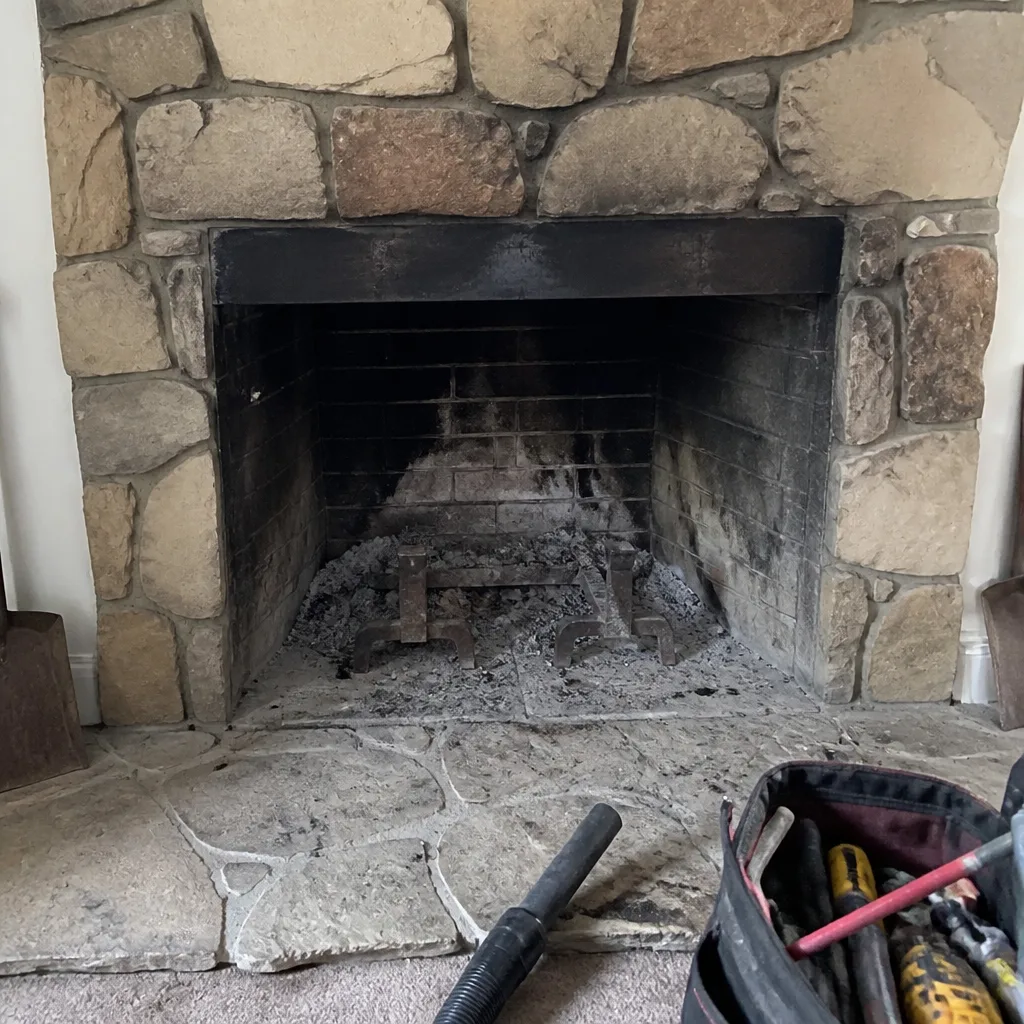 Before
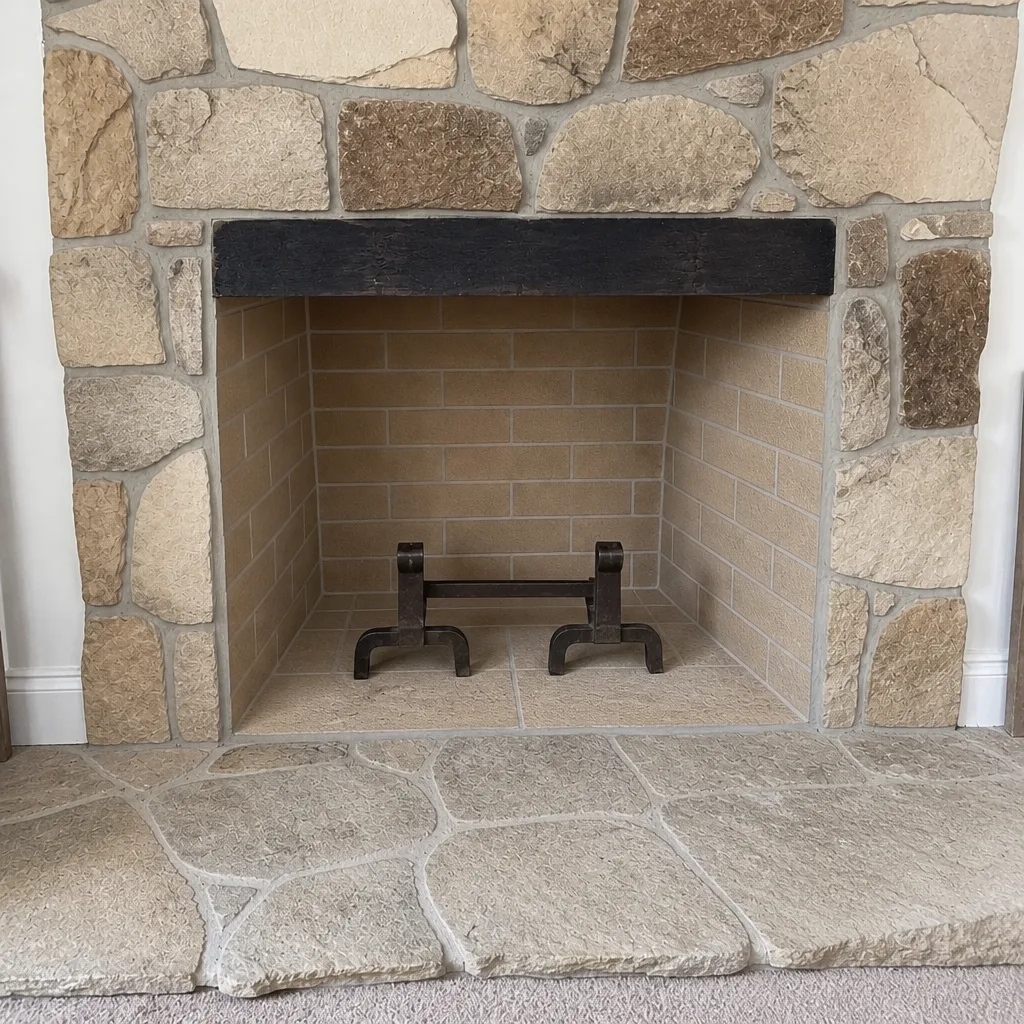 After
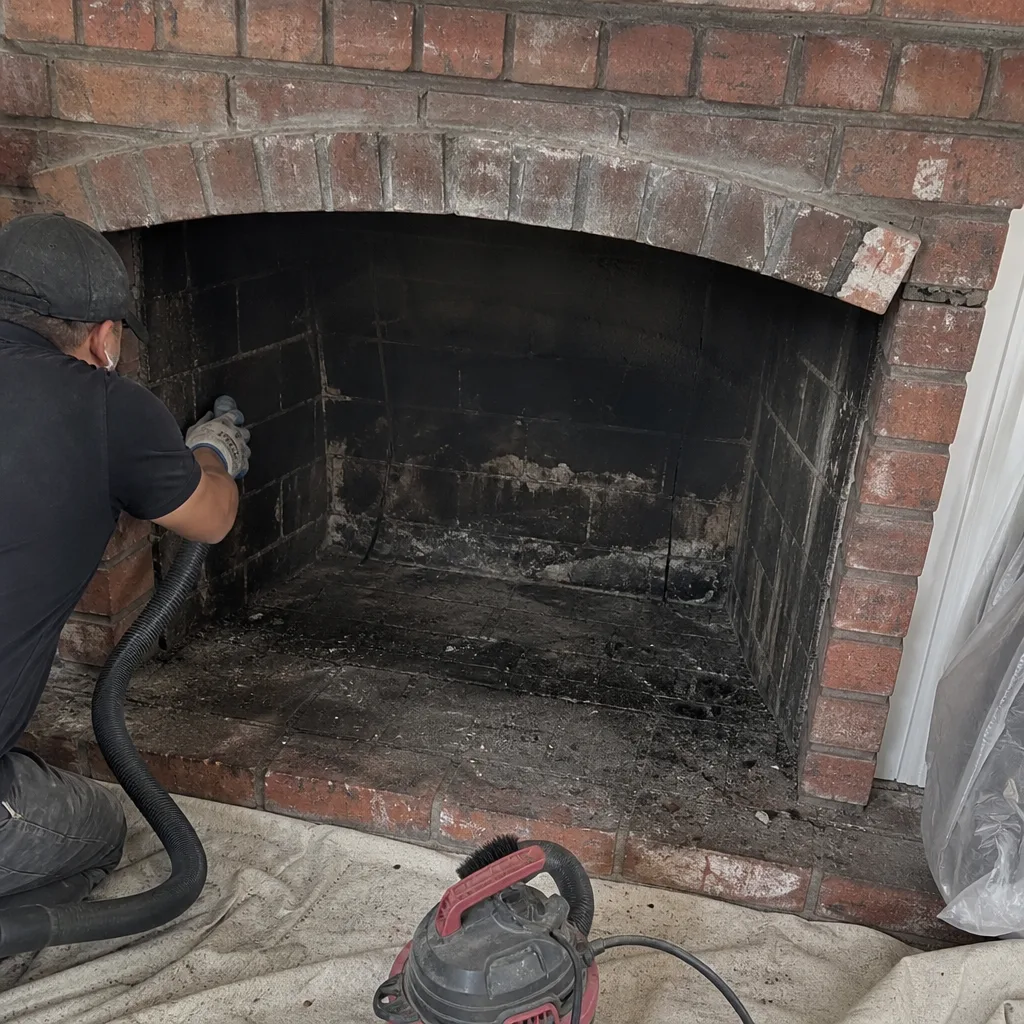 Before
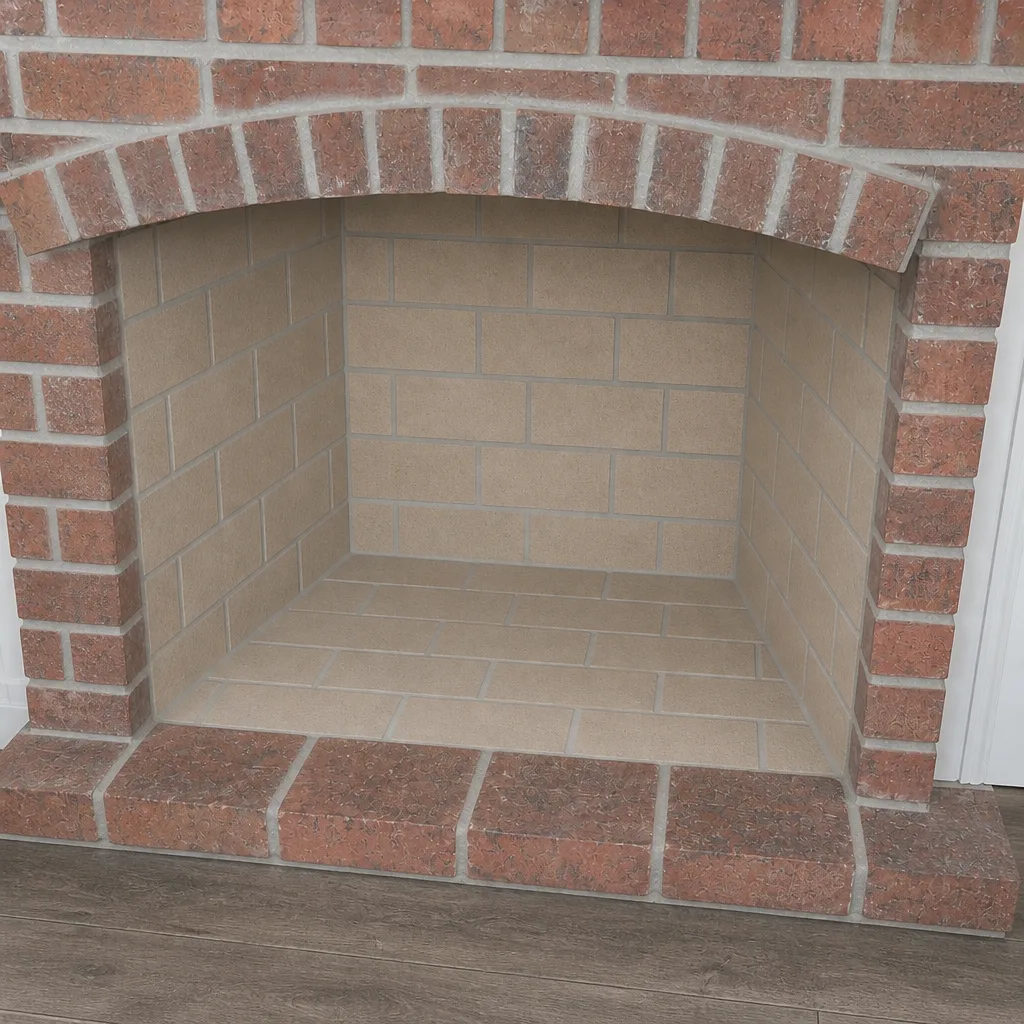 After
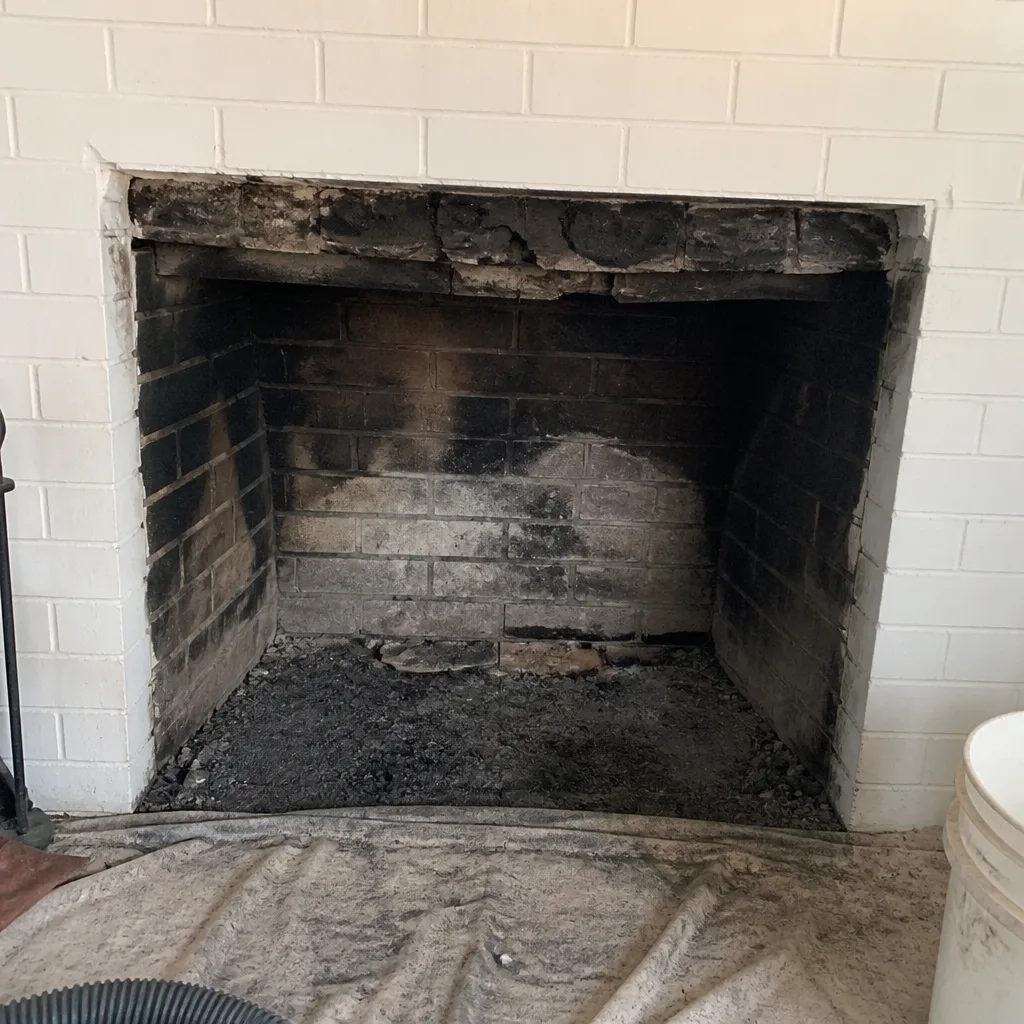 Before
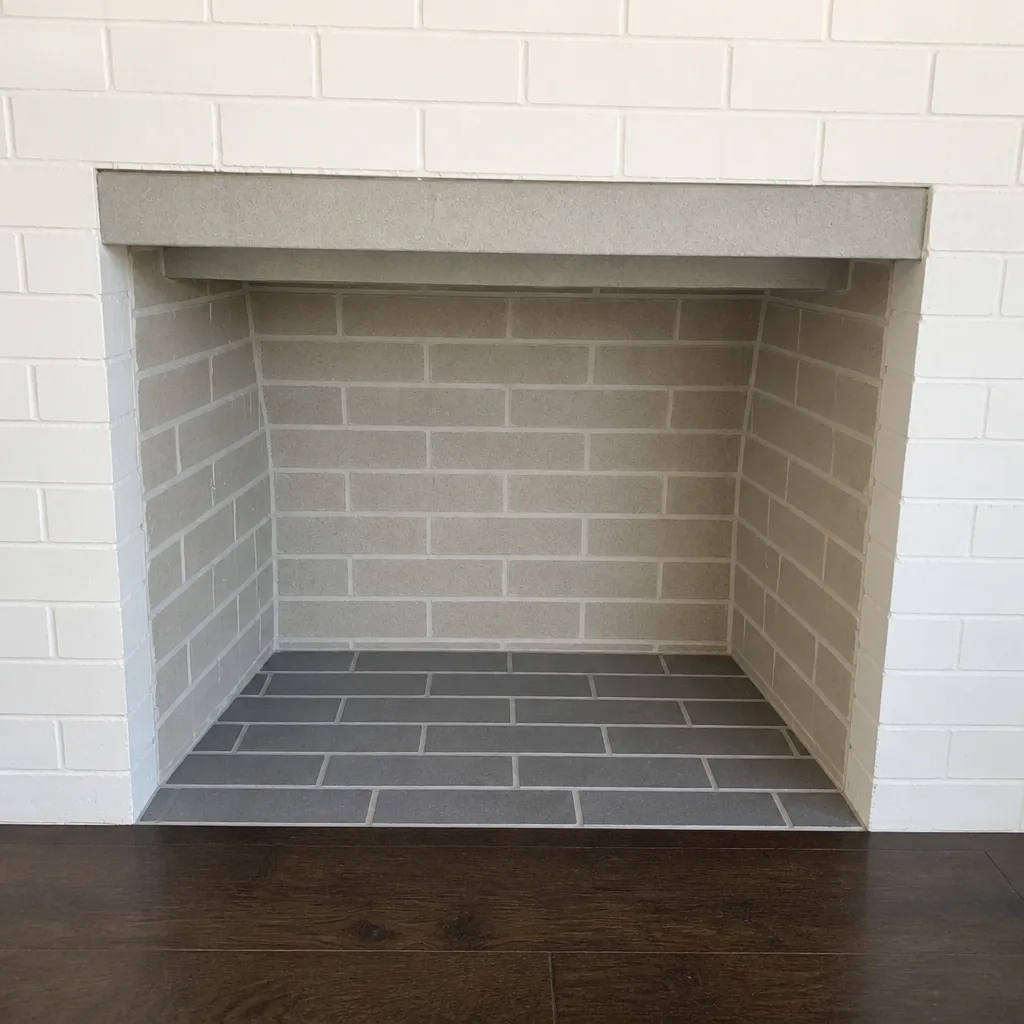 After