
Last updated November 4, 2026
 Sweep & inspection
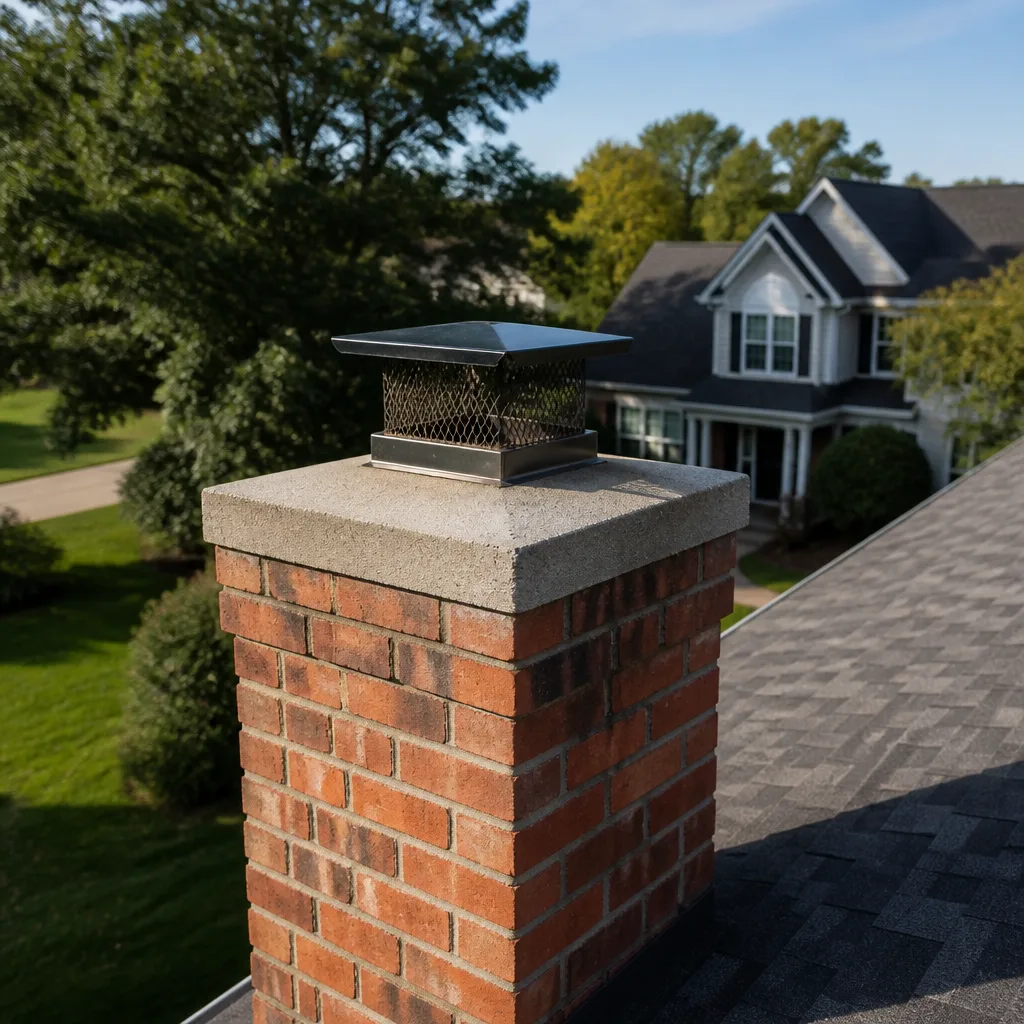
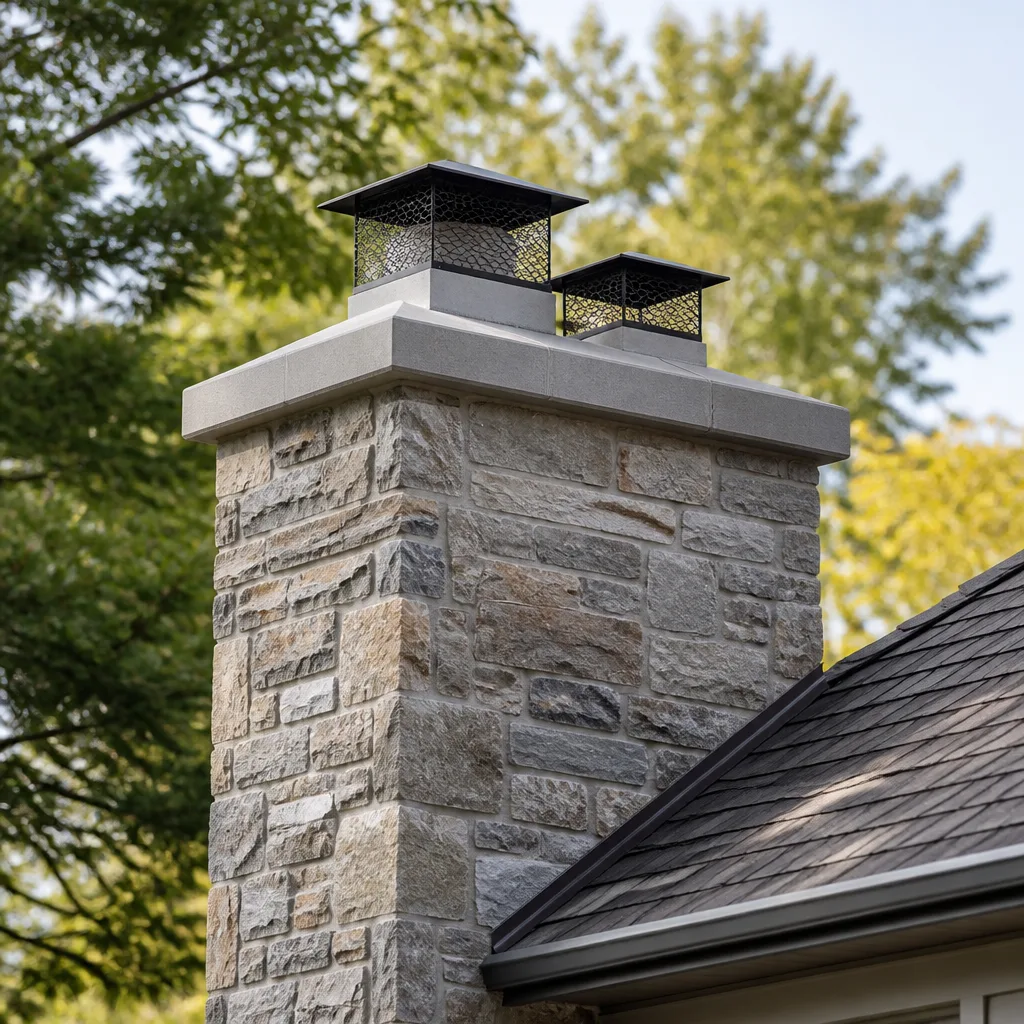 Caps & crowns
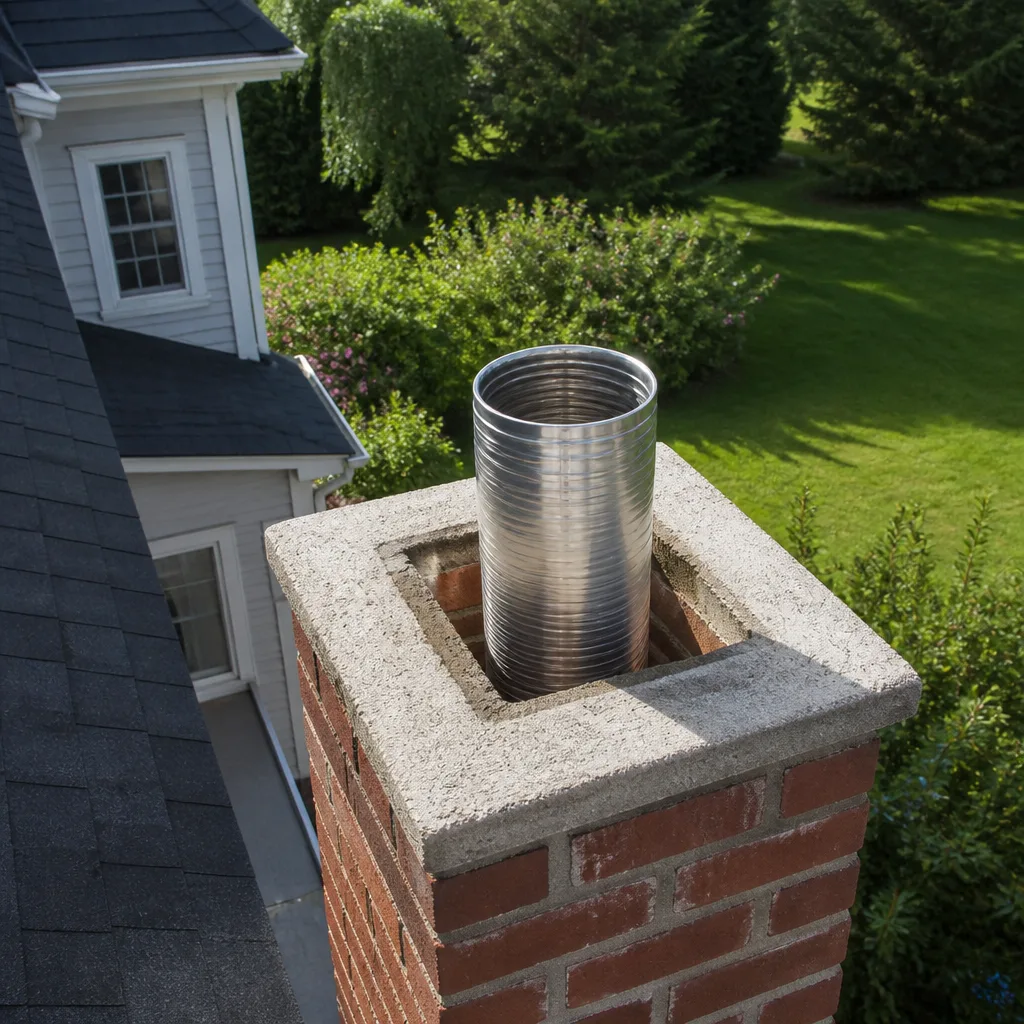 Flue relining
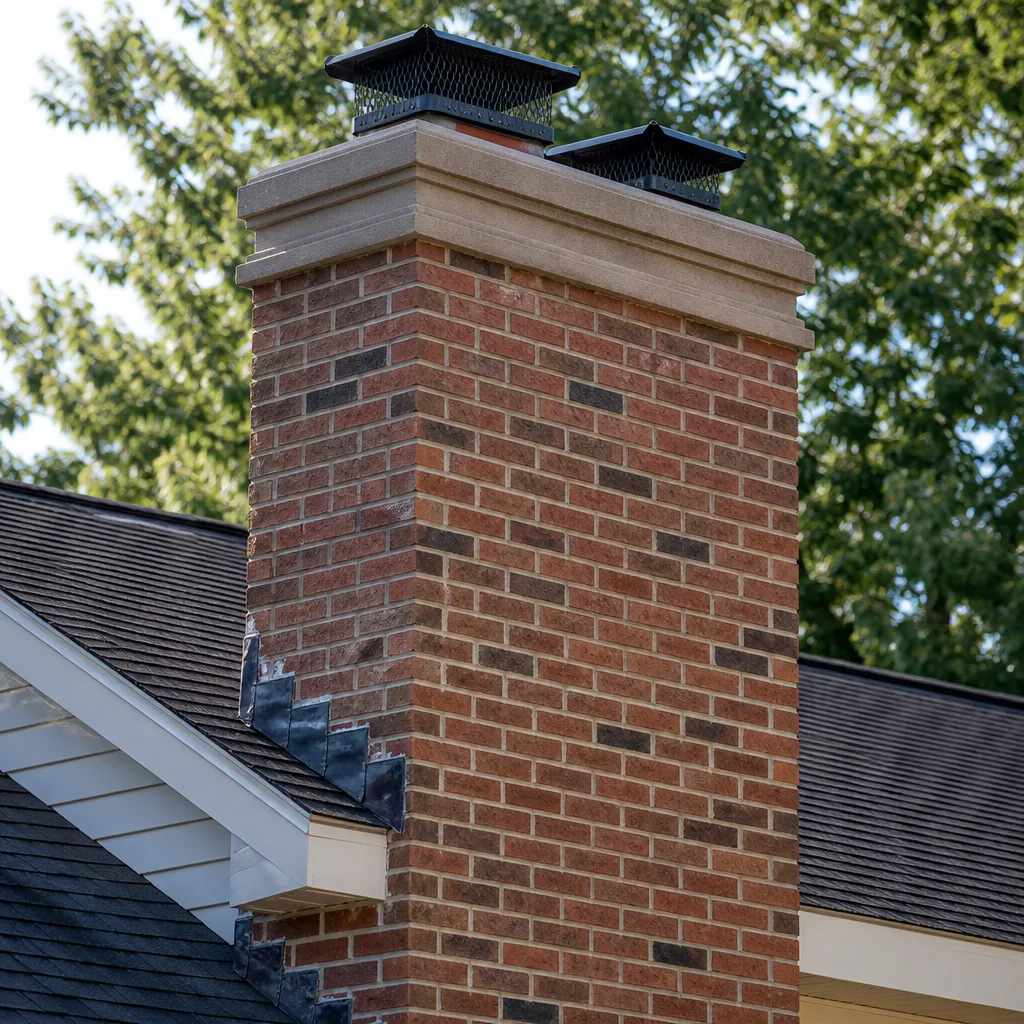 Masonry repair
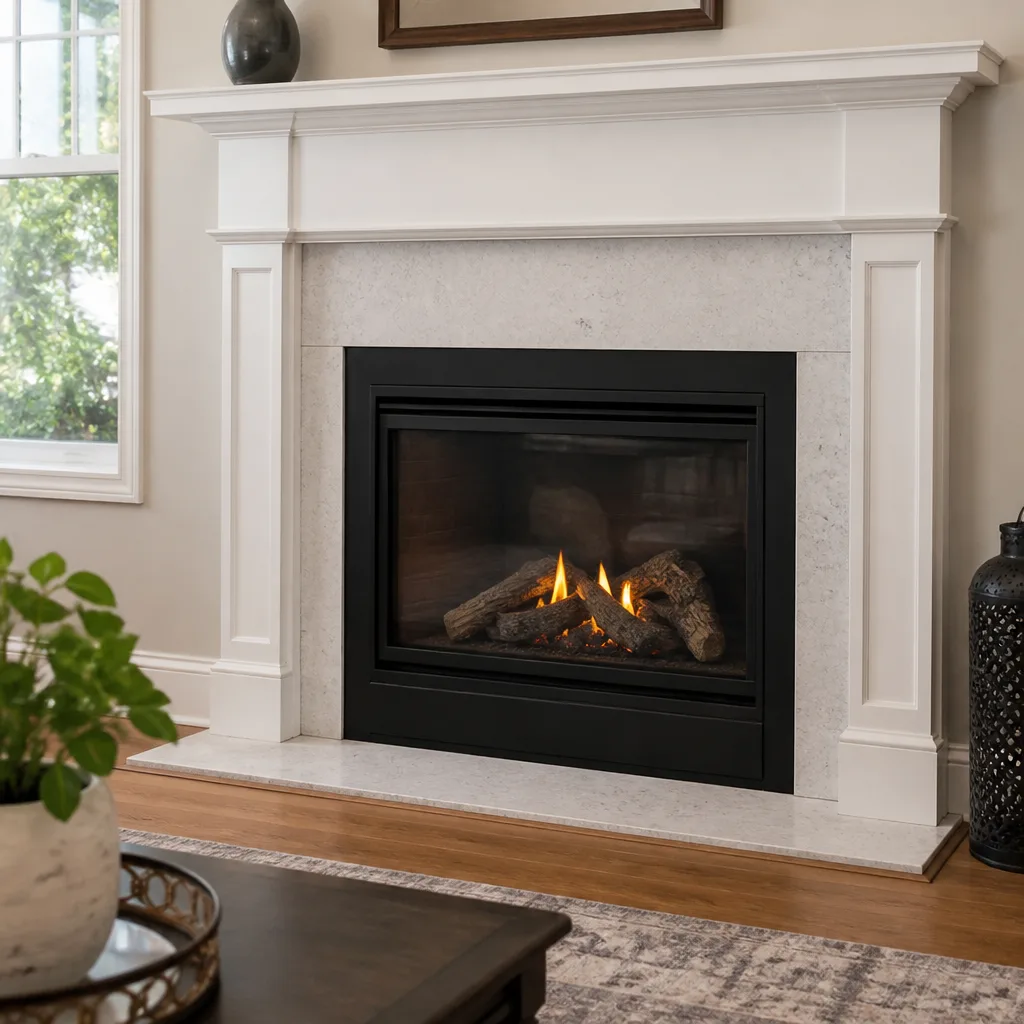 Gas fireplace service
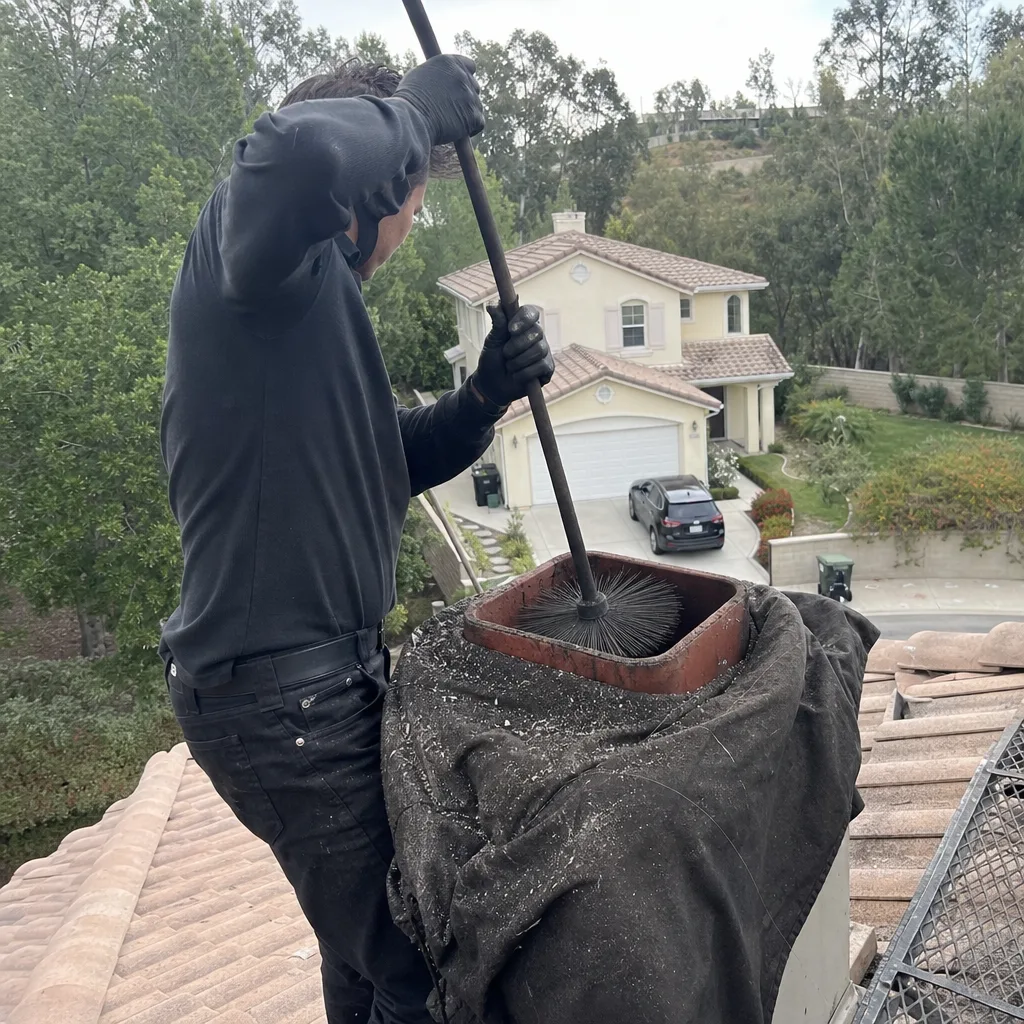
Level 1 sweep and inspection to the NFPA 211 annual standard - flue, crown, cap, and flashing checked and photographed
Chimney sweep logs do not sweep chimneys. They loosen some creosote - which then falls where a brush and vacuum still have to collect it.
DIY vs Professional Chimney Cleaning: The Valencia Homeowner’s Decision Guide
The big-box store sells you a chimney brush kit for forty dollars and tells you the job is simple. What the kit won’t tell you is that your brush reaches the flue liner and almost nothing else. The smoke shelf, the smoke chamber, the firebox joints, the connector pipes: those surfaces collect creosote and ash just as readily, and they sit above your fireplace in Valencia where a brush on a flexible rod can’t reliably reach them. A thorough do-it-yourself pass on a typical masonry chimney addresses maybe forty percent of the surfaces where dangerous buildup actually occurs. This guide explains what a homeowner can responsibly do themselves, what should be left to a trained technician, and how to tell which path makes sense for your home in Valencia.
Styles & brands we work with
- Sweep & inspection
- Caps & crowns
- Flue relining
- Masonry repair
- Gas fireplace service
Quick Answer
DIY chimney cleaning is technically possible for homeowners with a single, well-maintained chimney and recent service history, but a brush-only pass cleans the flue liner while missing the smoke shelf, smoke chamber, and firebox joints where much of the dangerous creosote collects in Valencia homes. Professional chimney cleaning includes a full inspection, access to surfaces consumer kits can’t reach, and documentation that matters for insurance purposes if a fire ever occurs. For most Valencia homeowners, especially those with older masonry chimneys or unknown service history, professional cleaning is the safer and ultimately more economical choice.
Table of Contents
- What DIY Chimney Cleaning Actually Accomplishes
- What Professional Cleaning Reaches That You Can’t
- Is Your Valencia Chimney a Reasonable DIY Candidate?
- The True Cost Comparison: DIY vs Professional in Valencia
- Legal and Insurance Implications of DIY Chimney Work in California
- What Homeowners Can Legitimately Do Themselves
- Common Mistakes to Avoid
- When to Call a Professional
- Frequently Asked Questions
- The Bottom Line
What DIY Chimney Cleaning Actually Accomplishes
A consumer chimney brush kit typically includes a stiff wire or poly brush, several fiberglass rods that screw together, and sometimes a plastic tarp. You run the brush up and down the flue from the firebox or from the roof, and the bristles scrape creosote from the liner walls. That part works, to a point.
What it does not reach matters more than what it does. Above your firebox sits the smoke shelf, a flat or gently sloped ledge designed to catch debris falling down the chimney. Above that, the smoke chamber narrows from the firebox opening to the flue. In Valencia homes built with traditional masonry construction, both surfaces catch creosote, soot, and occasionally nesting material. Consumer brush kits are not shaped to scrub these areas, and access from below requires removing the damper assembly. From above, the geometry makes effective brushing nearly impossible. The result is a flue that looks clean but a smoke chamber and shelf that carry the same fire load they had before you started.
The firebox itself presents another limitation. The joints between firebricks, the mortar seams, and the area around the damper frame absorb heat and collect ash differently than the vertical liner. A brush does nothing for them. Neither does it address the connector pipe on a wood stove insert, which on many Valencia homes carries horizontal or angled sections that trap creosote more readily than vertical flue runs.
The honest assessment: DIY brushing cleans the liner and leaves the system’s most deposition-prone surfaces untouched. For a homeowner whose goal is a genuinely safe fireplace, that is a partial job, not a complete one.
What Professional Cleaning Reaches That You Can’t
Professional chimney sweep work in Valencia begins with an inspection, not a brush. A trained technician examines the flue, the smoke chamber, the smoke shelf, the firebox, the damper, the cap, and the exterior masonry before cleaning begins. That sequence changes what gets cleaned and how.
The equipment difference is substantial. Professional rotary cleaning systems use a spinning whip head on flexible rods, driven by a drill, that conforms to the liner’s shape and scrubs more aggressively than a flat brush. For the smoke chamber and shelf, technicians use shaped brushes, vacuum systems with HEPA filtration, and access techniques that remove the damper or work through the firebox opening. The vacuum is not cosmetic: it prevents fine ash and creosote dust from blowing into your Valencia living room during the cleaning, which is exactly what happens with most consumer kits.
Beyond cleaning, a professional visit includes what a brush kit cannot deliver: diagnosis. A technician checks flue tile joints for gaps, looks for water staining, verifies the cap and spark arrestor are intact, and assesses whether the liner is sound. In our experience serving homeowners across Valencia, a meaningful share of sweeps uncover conditions the homeowner did not know existed: a cracked flue tile, a corroded damper, a disconnected connector pipe. When those conditions are found, the same company that cleaned the chimney can repair it, whether that means resurfacing with HeatShield or relining with a DuraFlex system. A homeowner with a brush and a hardware store receipt has no comparable path from discovery to resolution.
Is Your Valencia Chimney a Reasonable DIY Candidate?
Some chimneys are simple enough that a careful homeowner can maintain them between professional visits, especially if the system is newer and the history is known. Use this checklist honestly.
- Single flue, wood-burning fireplace, no insert: A straightforward masonry chimney with one flue and a standard firebox is the easiest to brush from below with a consumer kit.
- Recent professional service within the last two years: If a technician has inspected and swept the chimney recently, the system is documented and you know the liner is sound. DIY maintenance between professional visits is lower risk.
- Gas insert or gas log set: Gas produces acidic residue but far less creosote than wood. Light maintenance is more manageable, though the venting still needs periodic professional inspection.
- You burn seasoned hardwood, not softwood or green wood: Hardwood produces less creosote, which means less to clean. If you burn pine or other softwood, creosote loads build faster and professional cleaning is more justified.
- You can access the roof safely: Some cleaning approaches require top-down access. A two-story Valencia home with a steep roof pitch makes this a non-starter for most homeowners.
If you check three or more of those boxes, occasional light DIY maintenance might be reasonable for you. The moment any of the following apply, the decision tilts toward professional service: the chimney is over twenty years old, the home was purchased without a documented chimney history, there is visible spalling or cracking on the exterior masonry, there is evidence of water entry, or the chimney serves a wood stove with connector pipes. Those conditions demand inspection and often repair, not just brushing.
The True Cost Comparison: DIY vs Professional in Valencia
A consumer chimney brush kit runs about $40 to $80 at big-box retailers in Valencia. Add a tarp, gloves, goggles, and a dust mask, and you are at $60 to $100. A professional chimney sweep in the Valencia market typically runs between $180 and $340 for a standard wood-burning fireplace, depending on the system and its condition. That is the comparison most homeowners make, and it misses the point.
The better comparison weighs cost against what the money buys. For $60 to $100, you get a brush, a partial cleaning, and a few hours of your own labor with no inspection and no documentation. For $180 to $340, you get the full cleaning described above, an inspection, a written record that insurers and future home buyers accept, and a professional who can identify problems before they become fires or structural failures.
There is also the matter of tools you will need but do not own. Reaching the roof of a typical two-story Valencia home requires a ladder rated for that height and a harness if the pitch is steep. Working from the firebox requires drop cloths, a shop vacuum with a fine-dust filter, and patience. None of this is impossible, but the hidden cost of the DIY path is not zero.
The break-even case exists. If your chimney is new, you had it professionally swept last year, you burn only seasoned hardwood, and you are comfortable on a ladder, a light brush pass between professional visits can keep the liner clear until the next scheduled service. That is not a replacement for professional cleaning. That is maintenance between professional cleanings, and that distinction matters.
Legal and Insurance Implications of DIY Chimney Work in California
California property insurers expect a reasonable standard of care for wood-burning fireplaces. If a structure fire originates in your chimney and you have no professional inspection or service record, the insurance adjuster has a straightforward question: what did you do to ensure the chimney was safe? A homeowner’s log of DIY brushings is not worthless, but it does not carry the evidentiary weight of a dated professional service report. In practice, insurers treat chimneys as systems requiring professional maintenance, and the absence of such records can complicate a fire claim.
Liability extends beyond your own policy. If your chimney fire spreads to a neighbor’s home in a Valencia neighborhood where lots sit close together, your homeowner’s policy may face a subrogation claim from the neighbor’s insurer. Without professional records, defending that claim becomes harder. The professional sweep report is not merely a piece of paper; it is evidence that you acted as a reasonable homeowner would.
For rental properties, the bar is higher. California landlords have a legal duty to maintain safe premises, and chimney maintenance falls within that duty. A landlord who hands a tenant a brush kit and calls it chimney care is not meeting the standard a court would expect.
California building codes also place requirements on chimney construction and repair. While the state does not require a license specifically for chimney sweeping, it does require contractors performing repairs to hold the appropriate classifications. Repairs to a chimney that involve masonry, structural changes, or relining fall under contractor licensing rules. A homeowner doing their own light brushing does not need a license. A homeowner attempting a liner installation or structural repair without a license is performing unpermitted work that can create liability and complicate a future sale.
What Homeowners Can Legitimately Do Themselves
You do not need a professional for everything. Several maintenance tasks are safe, useful, and appropriate for a conscientious Valencia homeowner.
- Visual firebox checks: Once a month during burning season, look inside the firebox with a flashlight. Check for cracked firebricks, deteriorated mortar joints, and buildup that looks shiny or tarry. Glossy creosote is the form that burns most readily and should prompt a professional call.
- Ash removal: Remove ash when the bed grows thick, but leave about an inch at the base. A thin ash layer insulates the firebox floor and makes fires easier to start. Dispose of ash in a metal container with a lid, placed away from the house, and never vacuum ash with a standard household vacuum.
- Cap inspection from the ground: Binoculars work. Look at the chimney cap and spark arrestor from your yard or driveway. Check for visible rust, tilting, or missing screen sections. If you can see damage, you know a professional visit is warranted before the next burn.
- Exterior masonry observation: Walk around the chimney base and look upward. Spalling brick faces, cracked mortar, efflorescence, or staining all point to water entry. Write down what you see and when you noticed it; that record helps a technician prioritize.
- Burn habits that reduce creosote: The single biggest maintenance decision you control is what you burn. Seasoned hardwood stored off the ground and covered produces markedly less creosote than green wood or softwood. Burning hot, established fires rather than smoldering, choked-down fires also reduces buildup.
None of these tasks substitutes for professional cleaning and inspection. They complement it. A homeowner who does these checks regularly catches problems earlier and gives the technician a better starting point.
Common Mistakes to Avoid
- Brushing without first inspecting the liner: If your flue tiles are already cracked or the liner has separated, running a brush through can worsen the damage. A professional inspection before cleaning prevents this. In Valencia homes with older masonry chimneys, we see liners that look intact until a closer look reveals hairline separation.
- Using a steel brush on a stainless steel liner: Steel bristles scratch and can damage a metal liner. Stainless liners require poly or specifically rated brushes. Read the liner documentation before you choose a brush, or skip the guesswork and let a professional handle it.
- Cleaning a wood stove connector pipe without disconnecting it: The horizontal and angled sections of connector pipe are where creosote collects fastest. Brushing from the stove opening without removing the pipe leaves most of the hazardous coating in place.
- Ignoring the smoke chamber because it is hard to reach: The smoke chamber holds a disproportionate share of creosote in many chimneys, yet consumer kits skip it entirely. A clean flue with a dirty smoke chamber is still a fire risk.
- Assuming a gas fireplace needs no maintenance: Gas appliances produce acidic condensate that corrodes flue components and accumulates as residue. Manufacturers recommend annual inspection for gas units as well as wood-burning ones.
- Skipping the dryer vent because it is a different system: Many Valencia homeowners think of chimney and dryer vent as separate concerns. They are related risks in the same house. Dryer vent cleaning addresses a leading cause of residential fires, and homeowners who take chimney safety seriously should extend the same attention to the laundry room.
- Relying on creosote-sweeping logs as a substitute: Creosote-sweeping logs chemically alter the first stage of creosote, making it flakier and easier to brush off. They do not remove it. At best, they are a supplement to brushing, never a replacement for it.
When to Call a Professional
Call a professional if your chimney is older than twenty years, if the home’s chimney history is unknown, if you see glossy or tar-like creosote in the firebox, if you smell smoke in the house when the fireplace is not in use, if there is visible exterior masonry damage, or if you suspect animals have nested in the chimney. These conditions require inspection and often repair, not a brush pass. A trained technician can identify whether a flue needs HeatShield resurfacing or a DuraFlex relining and, in many cases, complete the repair without a second contractor. Chimney Sweep Valencia offers free estimates in Valencia. Call (866) 472-5217. We answer 24/7. Fast dispatch from 7am to 7pm, Sunday through Friday.
Frequently Asked Questions
A standard chimney sweep for a wood-burning fireplace in Valencia typically costs between $180 and $340, depending on the system and its condition. Estimates are free, and the written estimate sets the final price. Call (866) 472-5217 for an exact quote for your home.
You can brush the flue liner yourself, but a consumer kit cannot reach the smoke shelf, smoke chamber, or firebox joints where much of the hazardous creosote collects in a typical Valencia chimney. DIY brushing is reasonable as light maintenance between professional cleanings, not as a replacement for them.
The National Fire Protection Association standard recommends a sweep when creosote buildup reaches one-eighth inch, and an annual inspection for all chimneys regardless of fuel type. For most Valencia homeowners who burn wood regularly, that means a professional sweep once a year. Call (866) 472-5217 for a free estimate.
Insurance coverage depends on your policy and the circumstances, but California insurers expect professional maintenance records for wood-burning systems. A dated professional sweep report is stronger evidence of reasonable care than a DIY cleaning log, especially in densely built Valencia neighborhoods where a chimney fire can spread.
Gas fireplaces produce less creosote than wood fires, but they produce acidic residue that corrodes flue components and accumulates in the venting. Annual professional inspection and cleaning as needed is the standard for gas units. Call (866) 472-5217 for an estimate.
Creosote accumulates in stages, from flaky and brushable to sticky and tar-like to hardened and glassy. The later stages burn at high temperatures and are the primary fuel for chimney fires, which can crack flue tiles, spread to the home’s structure, and go undetected until significant damage occurs. Skipping cleaning also means skipping inspection, so liner cracks and water damage worsen unseen. Call (866) 472-5217 to schedule a sweep in Valencia.
The Bottom Line
DIY chimney brushing is not a myth, but it is a partial solution to a whole-system problem. A homeowner in Valencia who buys a brush kit can clean the easiest surface in the chimney while leaving the harder, dirtier, more dangerous surfaces untouched. Professional cleaning includes the surfaces a brush cannot reach, an inspection that documents the system’s condition, and a path to repair if the inspection finds damage. For most homes, especially older ones with unknown histories, the professional route is the safer and more defensible choice. For the rest, DIY brushing between professional visits is reasonable maintenance, not a substitute. Chimney Sweep Valencia serves homeowners across the city with full-service chimney care. Call (866) 472-5217. We answer 24/7. Fast dispatch from 7am to 7pm, Sunday through Friday.
Written by the team at Chimney Sweep Valencia, serving Valencia since 2012.
See the difference
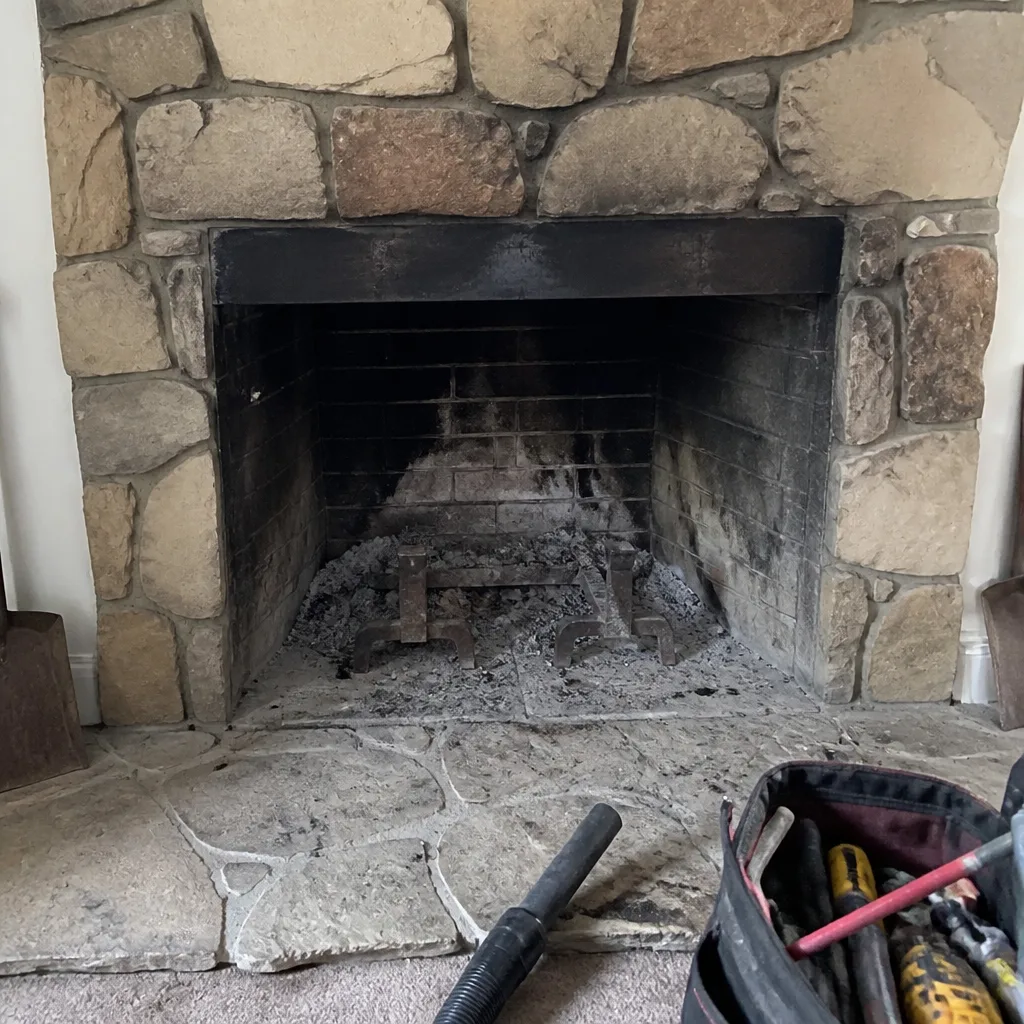 Before
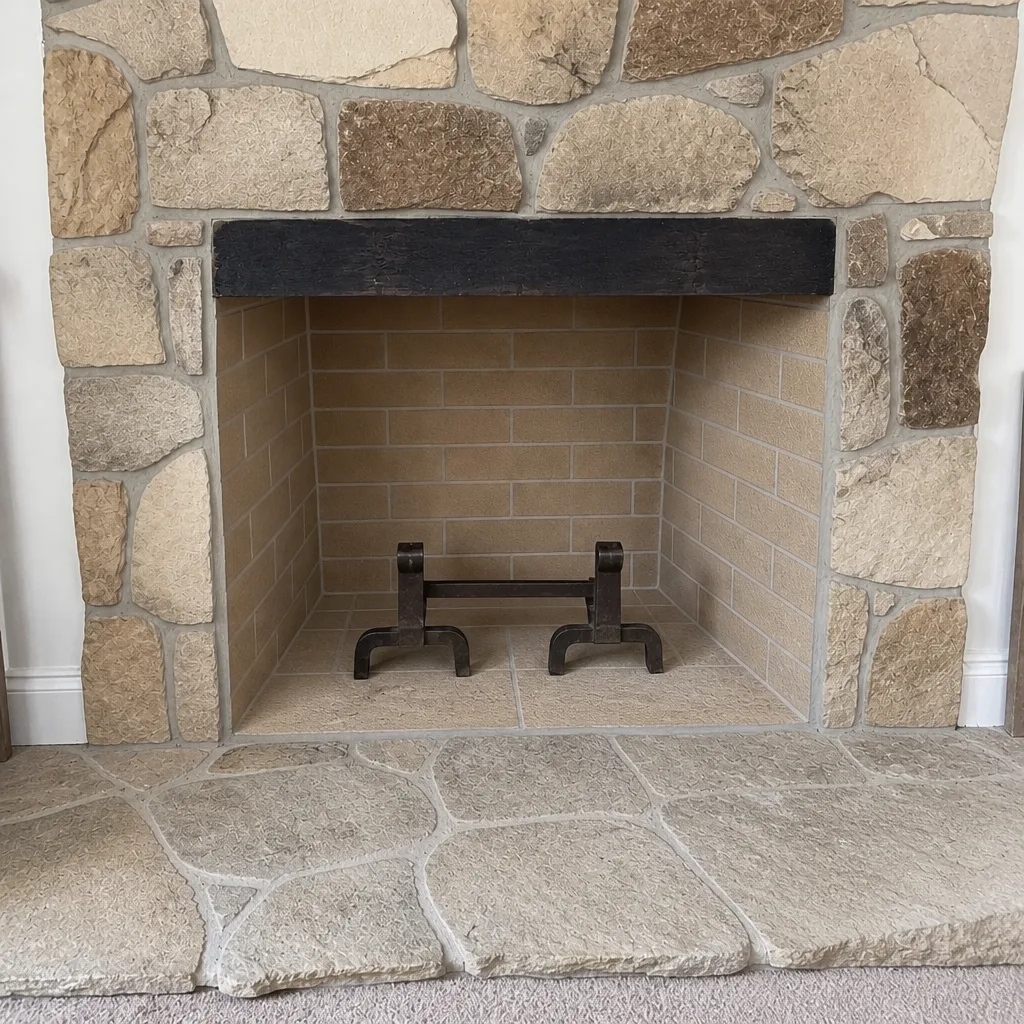 After
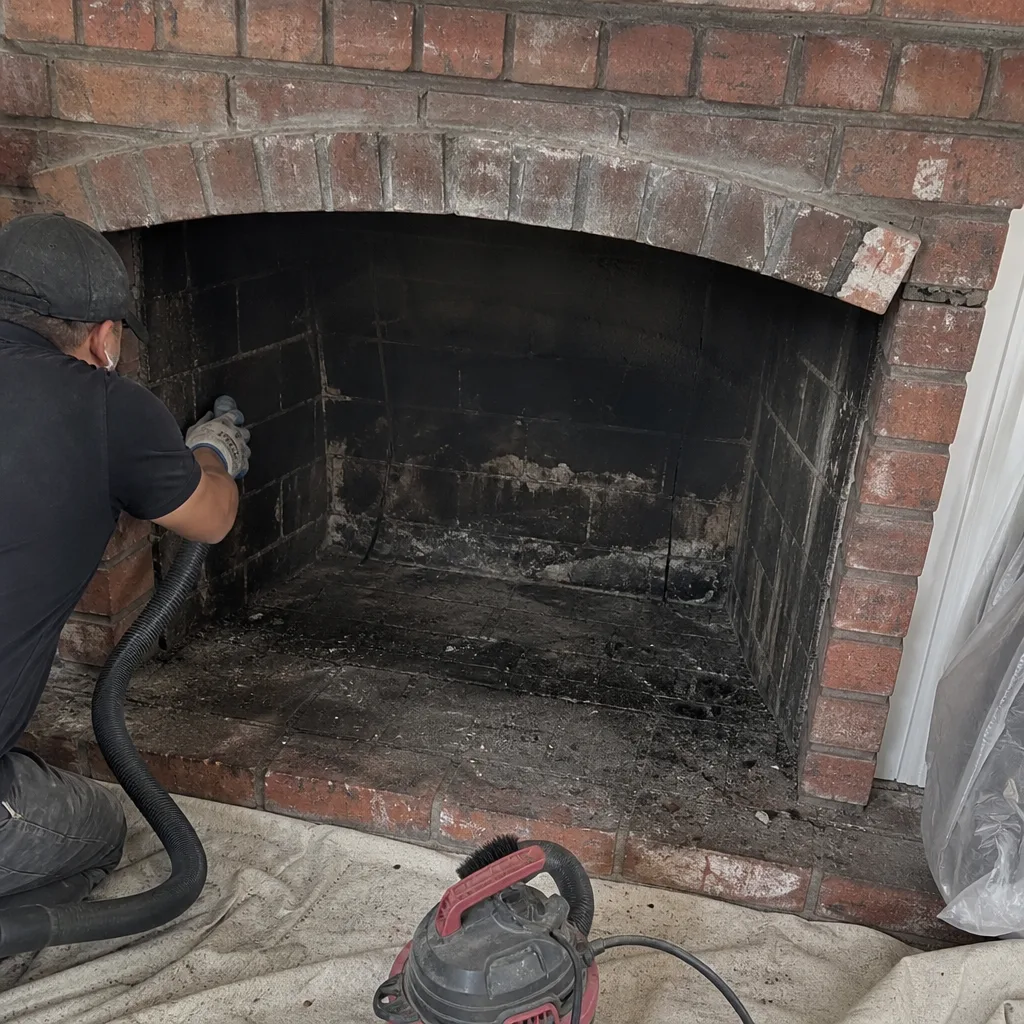 Before
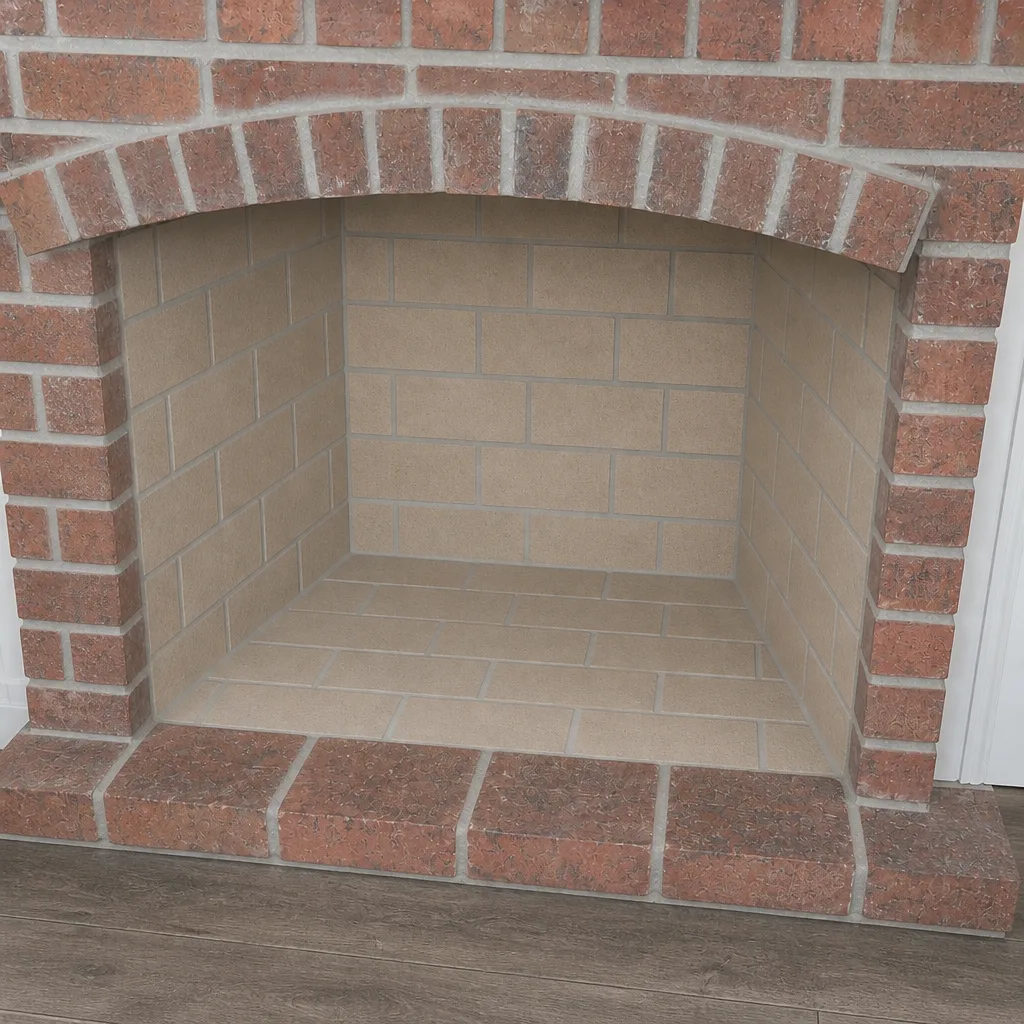 After
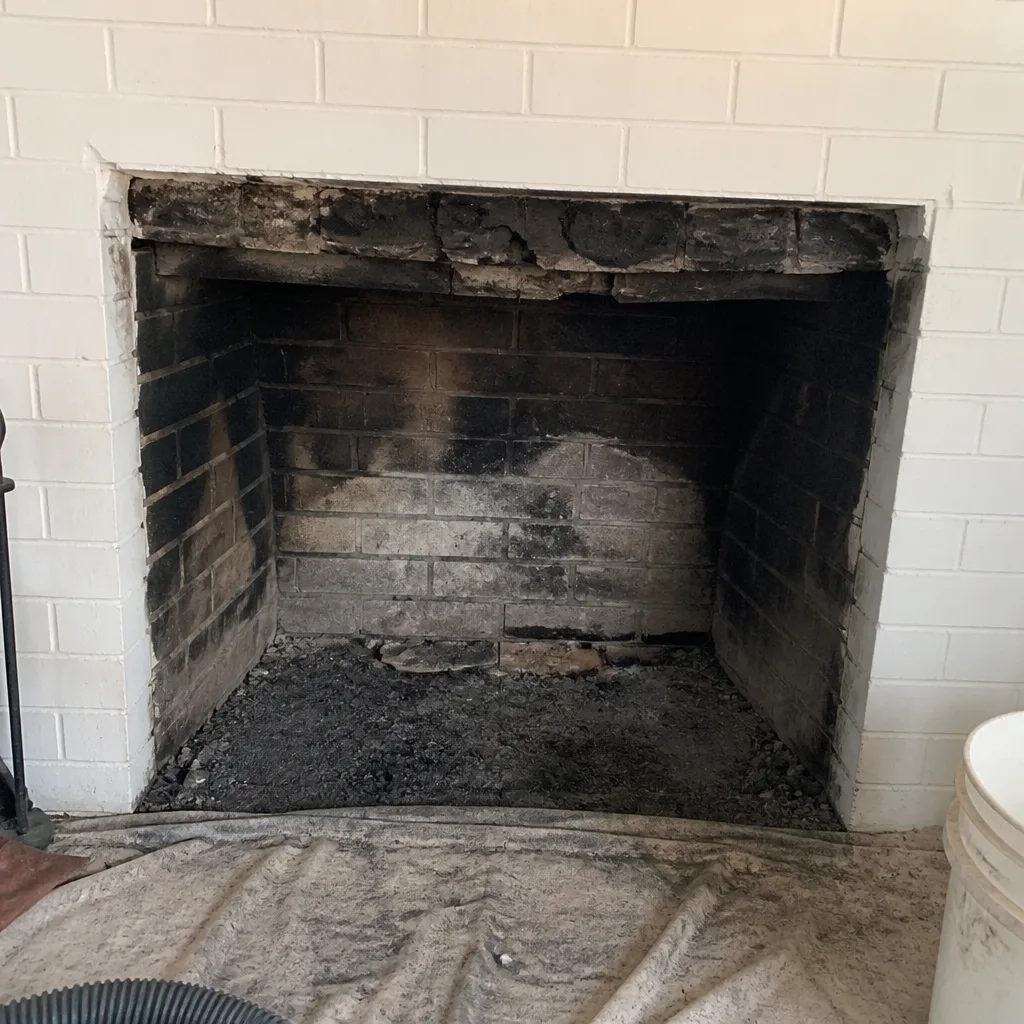 Before
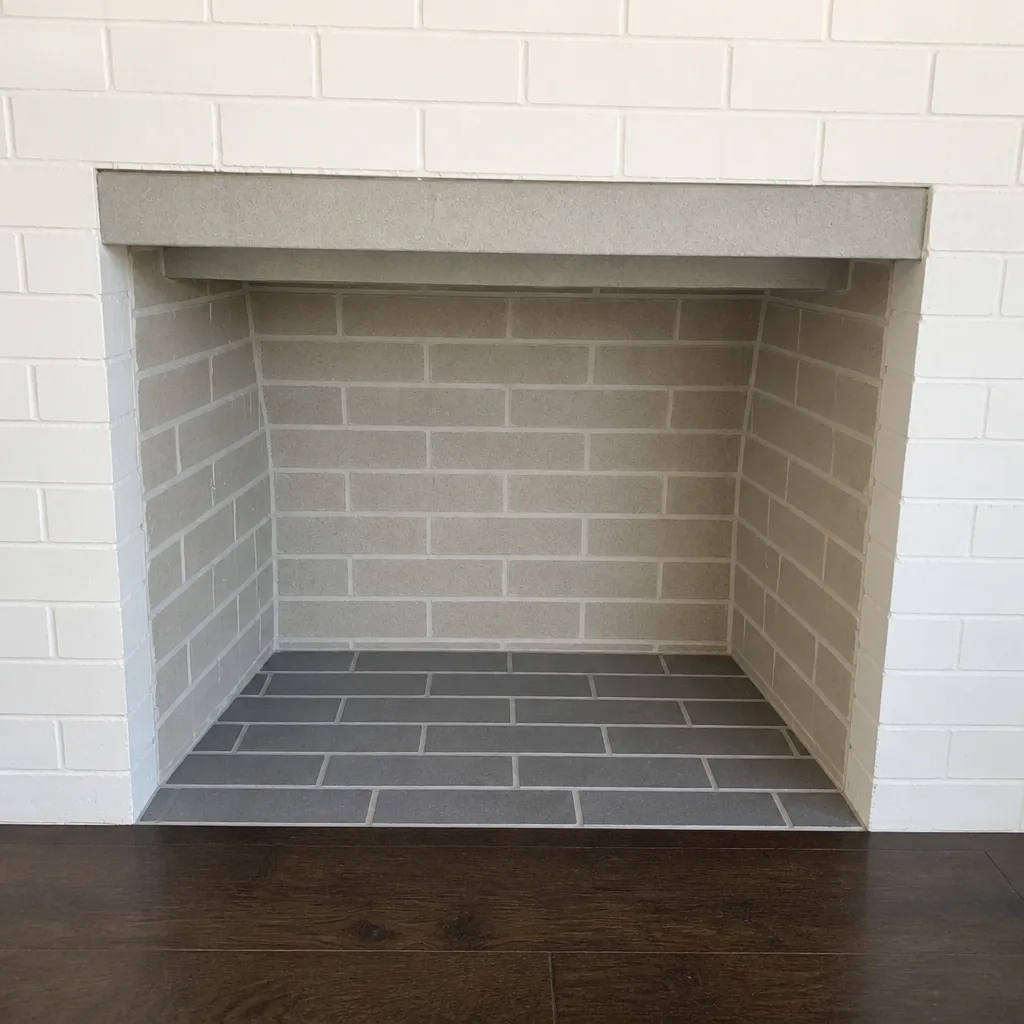 After